By The Rio Times | Created at 2026-10-09 11:27:03 | Updated at 2026-10-09 14:39:27
3 hours ago
By The Rio Times | Created at 2026-10-09 11:27:03 | Updated at 2026-10-09 14:39:27
3 hours ago
RWANDA · EAST AFRICA
Key Facts
- —The country Landlocked Rwanda, 26,338 sq km, borders Uganda, Tanzania, Burundi, DR Congo.
- —The peace deal US-brokered Washington Accords signed 4 December 2025; fighting persisted into 2026.
- —What happened Treasury sanctioned Rwanda’s army on 2 March 2026 over M23 support.
- —The trade DR Congo took 88.1% of Rwanda’s re-exports, April–June 2026.
- —What it means for you US advisory Level 3; avoid 10 km strip along Congo border.
- —Still open No public statement yet from the September 2026 Geneva security talks.
A war next door, a US-brokered peace deal and a closed southern border shape how Rwanda deals with its region.
The Rwanda neighbourhood is small on the map but crowded with history. Uganda, Tanzania, Burundi and the Democratic Republic of the Congo border this landlocked Great Lakes state.
In October 2026 the key relationship is with Congo, where Washington brokered peace and then sanctioned Rwanda’s army. For US readers, the region tests whether minerals deals can end a war.
Mapping the Rwanda Neighbourhood, Four Borders and No Coast
Rwanda covers 26,338 square kilometres, about the size of Maryland, says the East African Community (EAC). Rwanda joined this regional bloc in July 2007, and has no coastline.
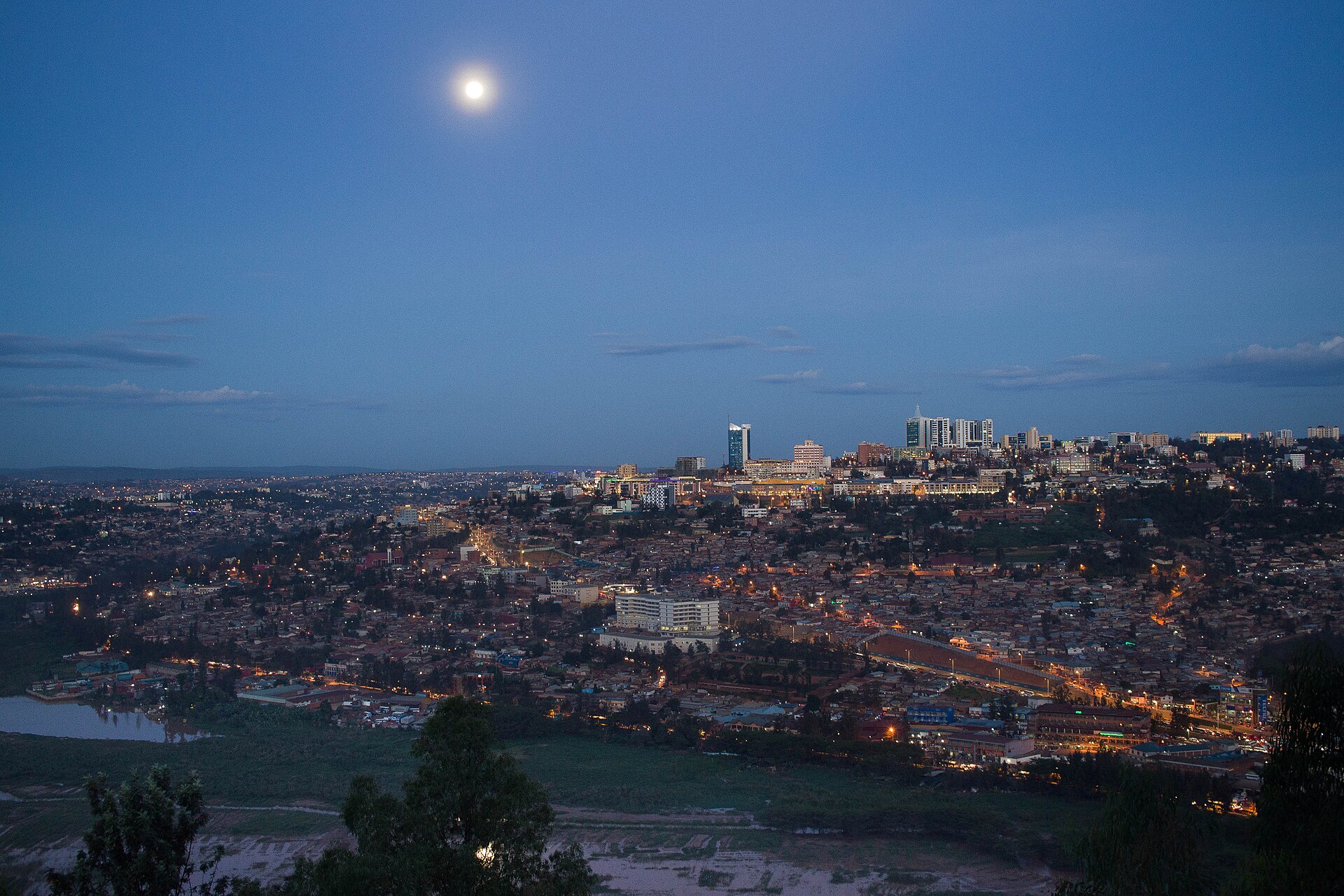
Kigali, the capital, sits roughly in the middle of the country. The western edge runs along Lake Kivu and the Rusizi River, which form much of the frontier with Congo.
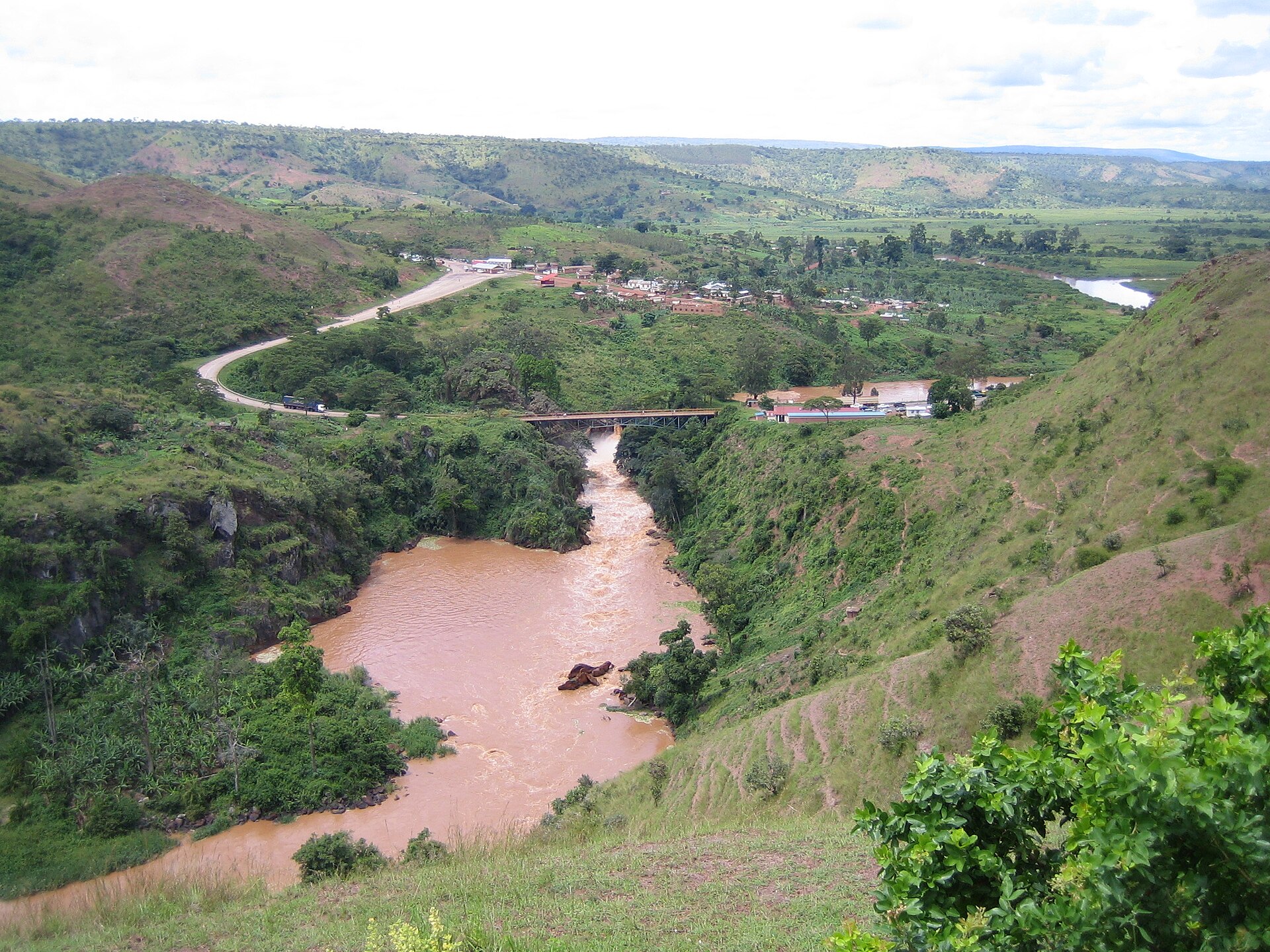
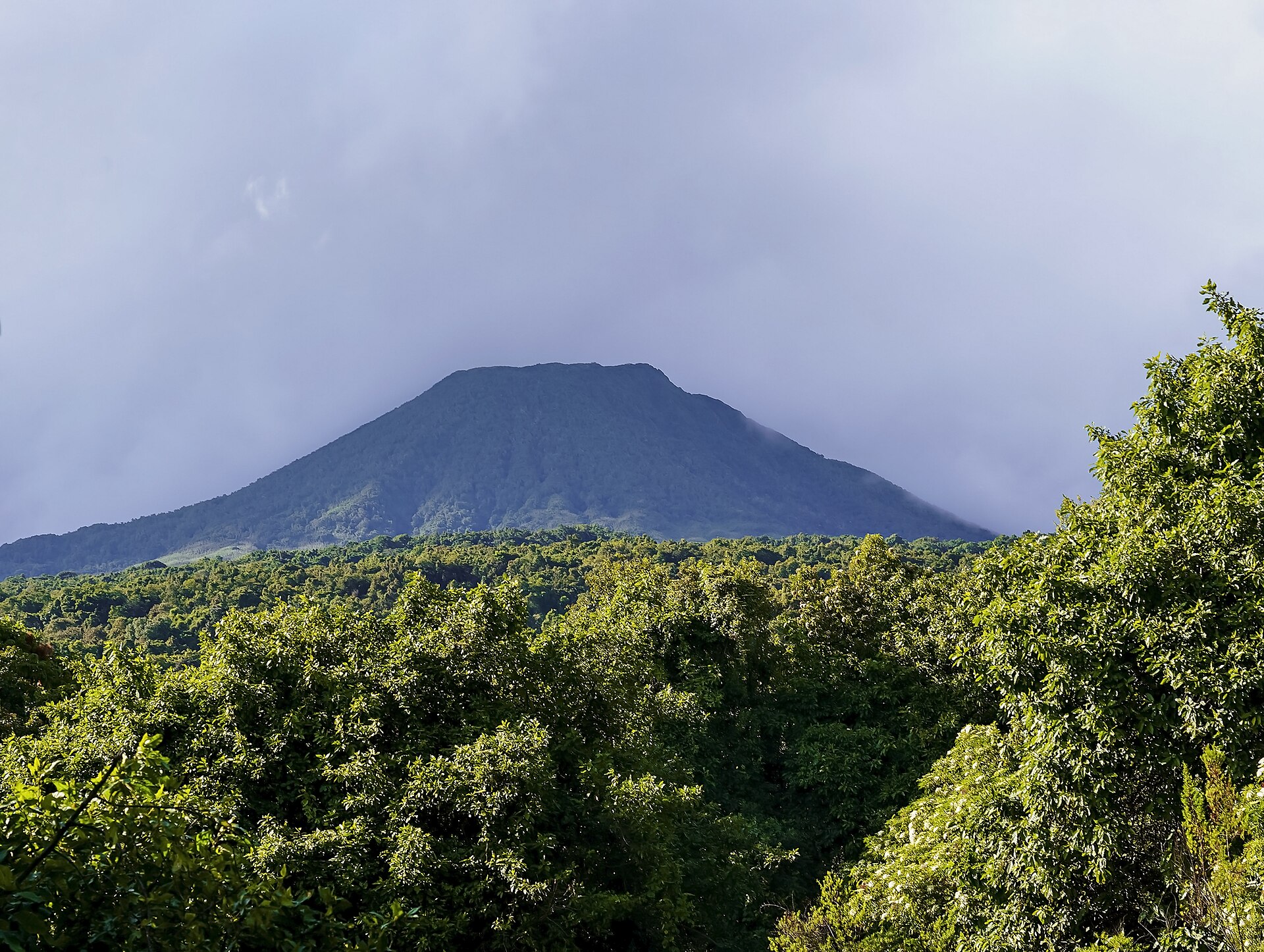
In the east, the Kagera River and the Rusumo Falls crossing mark the border with Tanzania. The volcanoes of the Virunga chain rise along the north-western corner, where Rwanda, Uganda and Congo meet.
Background is in the Rio Times guide Rwanda explained, with daily coverage on the Rio Times Rwanda page. Sibling explainers cover Congo’s neighbourhood, Tanzania’s and Kenya’s.
DR Congo, M23 and the Washington Accords
Congo is Rwanda’s largest neighbour and its most troubled relationship.
Kinshasa accuses Kigali of backing the March 23 Movement (M23). This rebel group fights the Congolese army in North and South Kivu.
The US Treasury agrees with Kinshasa on that point. On 2 March 2026 it sanctioned the Rwanda Defence Force (RDF), Rwanda’s military, and four senior commanders.
Treasury said the RDF was “actively supporting, training, and fighting alongside” M23. It added that “thousands of RDF troops are deployed across eastern DRC.”
Rwanda’s Office of the Government Spokesperson replied the same day that the sanctions “unjustly” targeted one party. It blamed Congolese drone attacks and ground offensives for breaking ceasefires.
Kigali’s core security complaint is the FDLR, the Democratic Forces for the Liberation of Rwanda. Rwanda’s government calls it a “genocidal militia” that fights alongside Congo’s army.
Rwanda says Congo committed to an “irreversible and verifiable end” to state support for the FDLR, but has not acted.
The diplomatic framework is the Washington Accords for Peace and Prosperity. President Donald Trump hosted the signing on 4 December 2025, according to the State Department.
President Félix Tshisekedi signed for Congo and President Paul Kagame for Rwanda. The accords recommit both sides to a peace agreement first agreed in Washington on 27 June 2025.
They also include a Regional Economic Integration Framework, a bilateral economic plan for the Great Lakes. The State Department says it “creates opportunities for the U.S. private sector.”
On 25 June 2026 Treasury also sanctioned Gasabo Gold Refinery, a Rwandan refiner. It said at least 60 kilograms of eastern Congolese gold reached it in early 2026.
More on the militia question is in the Rio Times report on the FDLR disarmament protocol.
Where the Peace Deal Stands in October 2026
Implementation runs through two committees, attended by the United States, Qatar, the African Union and Togo as mediator. The Joint Oversight Committee (JOC) handles politics; the Joint Security Coordination Mechanism (JSCM) handles military steps.
On 17 and 18 March 2026 the two governments agreed in Washington on a schedule.
Rwanda would lift its “defensive measures” in defined areas. Congo would intensify efforts to neutralise the FDLR.
By June the tone had darkened. The sixth JOC, meeting in London on 24 June 2026, voiced “serious concern over the escalating fighting.”
It also cited drone strikes on civilians and the Ebola outbreak in eastern Congo. It urged support for separate Doha talks between Kinshasa and the AFC/M23 rebel coalition.
The latest published step came in Geneva on 12 and 13 August 2026, at the sixth JSCM. Congo presented a disarmament plan for the FDLR, and the parties agreed to advance two monitoring initiatives.
They also agreed to a planning conference in October 2026 to produce a revised operations order. A seventh JSCM was set for 16 and 17 September in Geneva, as The New Times, Kigali’s main daily, reported.
As of 9 October 2026, the State Department’s Congo page carried no joint statement from that September meeting. The accords remain in force on paper, but neither side has declared its main obligations met.
Burundi, the Closed Border to the South
Burundi, Rwanda’s southern neighbour, shares a similar language and a similar ethnic history. Relations under President Évariste Ndayishimiye remain hostile.
Burundi closed the land border with effect from 11 January 2024. Rwanda’s government called the decision unilateral and said it “violates the principles” of EAC cooperation, KT Press, a Kigali outlet, reported.
The Ghana News Agency reported at the time that Bujumbura accused Kigali of backing Burundian rebels.
Trade has not stopped, as Rio Times reported. The National Institute of Statistics of Rwanda (NISR) recorded US$13.39 million of exports to Burundi in April–June 2026, double the first quarter.
Neither government has explained how those goods travel. The wider picture of Burundi’s economy is in the Burundi explainer.
Uganda and Tanzania, the Roads to the Sea
Rwanda reaches the Indian Ocean along two routes. The Northern Corridor runs through Uganda to Kenya’s port of Mombasa, and the Central Corridor runs through Tanzania to Dar es Salaam.
Tanzania is the bigger supplier. NISR data show US$182.93 million of imports from Tanzania in April–June 2026, second only to China.
Kenya, which does not border Rwanda, supplied US$106.10 million in the same quarter. Uganda supplied US$90.16 million, while Rwanda sold Uganda only US$5.75 million, down from US$12.22 million in the first quarter.
Uganda is Rwanda’s northern gateway to Kenya’s port, and it shares the Virunga volcanoes with Rwanda. The Uganda explainer covers Kampala’s own politics.
Kampala sent Vice President Jessica Alupo to the Washington signing in December 2025.
Trade, the East African Community and Where Rwanda Leads
Rwanda’s total goods trade reached US$2.33 billion in April–June 2026, up 23.4% on the first quarter, NISR reported. Imports of US$1.61 billion far exceeded domestic exports of US$548.98 million.
China was the top export market at US$142.38 million, ahead of the United Arab Emirates. Congo came third at US$89.51 million, and the United States fifth at US$24.22 million.
Congo matters even more for re-exports, goods Rwanda imports and sells on. It took 88.1% of them, and 76.9% of Rwanda’s domestic exports to EAC states.
Rwanda’s surplus with Burundi and Congo combined reached US$239.77 million in the quarter, up from US$190.02 million a year earlier. In short, war or no war, Kigali is the trading hub for the eastern Congolese market.
The EAC, headquartered in Arusha, Tanzania, is the bloc that ties these economies together through a customs union and common market. Rwanda hosts one of its institutions, the East African Science and Technology Commission.
Rwanda leads where it can sell services and order: conferences, aviation, technology and security. It follows on geography, because its fuel and containers depend on Tanzanian and Kenyan ports.
NISR reports its trade figures in US dollars. For scale, US$1 bought about RWF 1,478 on 9 October 2026, per open.er-api.com.
Lake Kivu and the Shared Rivers
Lake Kivu is the clearest picture of how close the neighbours live. At the lake’s northern tip, the Rwandan town of Rubavu, once called Gisenyi, faces the Congolese city of Goma.
The lake drains south through the Rusizi River into Lake Tanganyika, past both Congo and Burundi. Any shared hydropower or fishing plan on these waters therefore needs at least two governments to agree.
In the east, the Kagera River flows from the Rwanda–Burundi–Tanzania borderlands into Lake Victoria. That places Rwanda in the upper catchment of the Nile.
For visitors, the Kivu shore is where the US travel advisory bites hardest. The Rio Times report on the Congo entry ban explains entry rules after a Congo visit.
What It Means for US Readers
Sanctions come first. The RDF, four commanders, Gasabo Gold Refinery and three linked mining firms are on the US Treasury sanctions list.
Anyone sourcing gold, tin, tantalum or tungsten from the region should expect tougher due diligence. The State Department, meanwhile, pitches the Washington Accords as an opening for US investors.
For travellers, the State Department rated Rwanda Level 3, “Reconsider travel,” in an advisory issued on 4 June 2026.
It says not to travel within 10 kilometres of the Congo border. That zone includes Rubavu and much of the Kivu shore.
Kigali lies well outside that strip. Entry rules for US citizens are in the Rio Times Rwanda visa guide.
What Is Not Known
The State Department had not published the outcome of the seventh JSCM in Geneva, set for 16 and 17 September. Whether the October planning conference has met is also unclear.
Independent verification of Rwanda’s troop disengagement and of Congo’s steps against the FDLR is still being set up. No public figure exists for Rwandan forces still in Congo in October 2026.
Neither Burundi nor Rwanda has given a date to reopen their land border, or explained how goods now cross it. Current output from Lake Kivu methane gas power plants was not confirmed for this guide.
Frequently Asked Questions
Which countries border Rwanda?
Four: Uganda to the north, Tanzania to the east, Burundi to the south and DR Congo to the west. Rwanda has no coastline, so its sea trade crosses Uganda and Kenya or Tanzania.
What are the Washington Accords?
A US-brokered peace package between Rwanda and DR Congo, signed in Washington on 4 December 2025 by Presidents Kagame and Tshisekedi. It builds on a peace agreement of 27 June 2025 and adds a regional economic integration framework.
Is the Rwanda and Congo peace deal working in October 2026?
Only partly. Talks continue in Geneva and Doha, but a June 2026 statement voiced serious concern over escalating fighting.
Is the border between Rwanda and Burundi open?
Burundi closed the land border from 11 January 2024, and no reopening date appears in official statements. Rwandan statistics still show exports to Burundi rising in 2026.
Is it safe for Americans to visit Lake Kivu?
The State Department rates Rwanda Level 3 and advises against travel within 10 kilometres of the Congo border. That zone covers much of the Rwandan shore of Lake Kivu, including Rubavu.
Is Rwanda part of the East African Community?
Yes. Rwanda joined the East African Community in July 2007, and Burundi, Uganda, Tanzania and DR Congo are members too.
Sources: US State Department, Washington Accords signing; State Department, March 2026 joint statement; State Department, sixth JOC; State Department, sixth JSCM; US Treasury, RDF sanctions; US Treasury, Gasabo Gold sanctions; Government of Rwanda, Office of the Government Spokesperson; NISR, Formal External Trade in Goods Q2 2026; East African Community; US State Department, Rwanda travel advisory; open.er-api.com; The New Times; KT Press; Ghana News Agency (all accessed 9 October 2026).