By The Rio Times | Created at 2026-10-14 22:41:52 | Updated at 2026-10-14 23:54:27
2 hours ago
By The Rio Times | Created at 2026-10-14 22:41:52 | Updated at 2026-10-14 23:54:27
2 hours ago
GUIDE · COLOMBIA
Key Facts
- —The country Colombia, a major US security partner, is led by President Abelardo de la Espriella, who took office on 7 August and promises a hard line on armed groups.
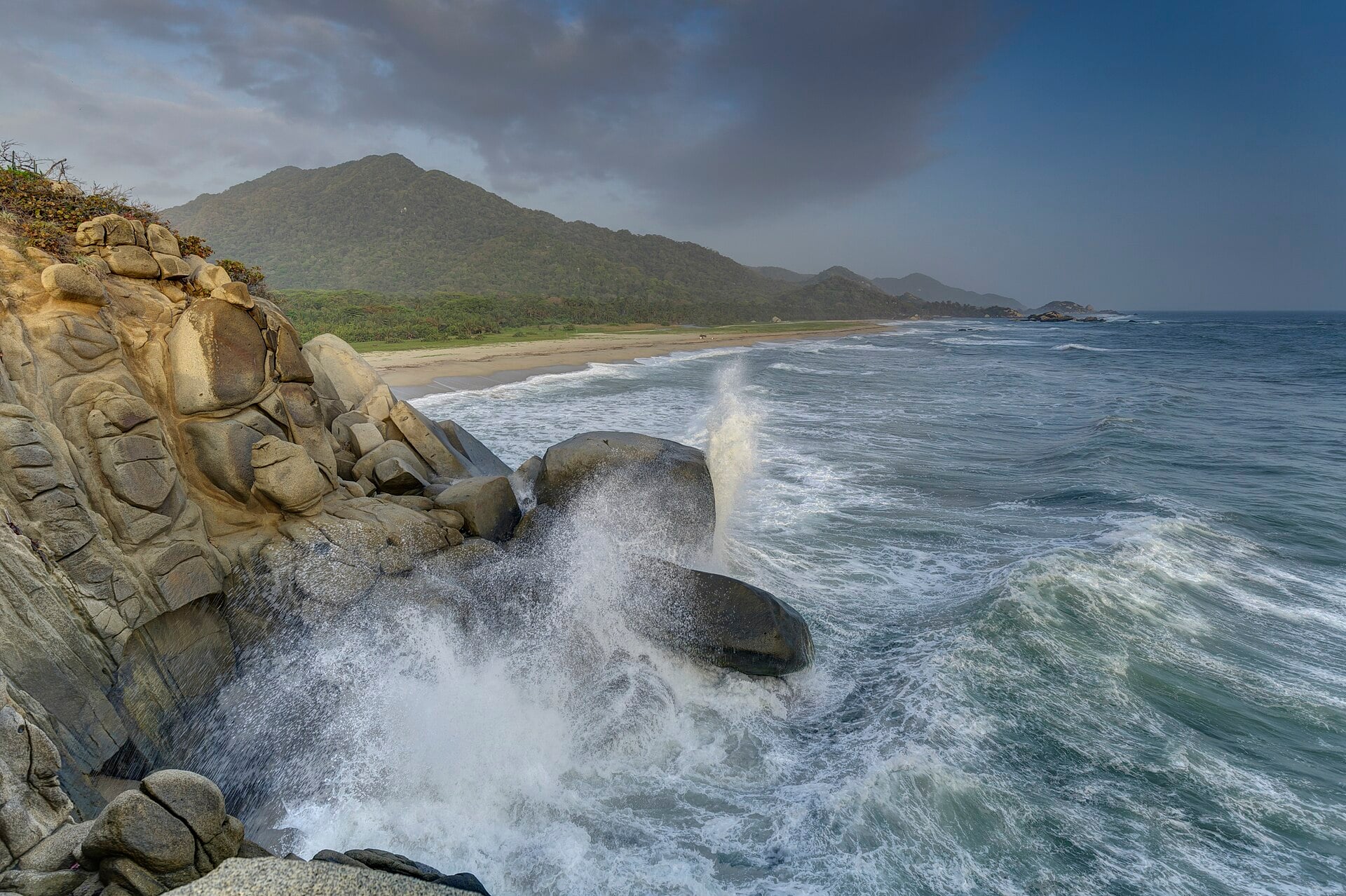
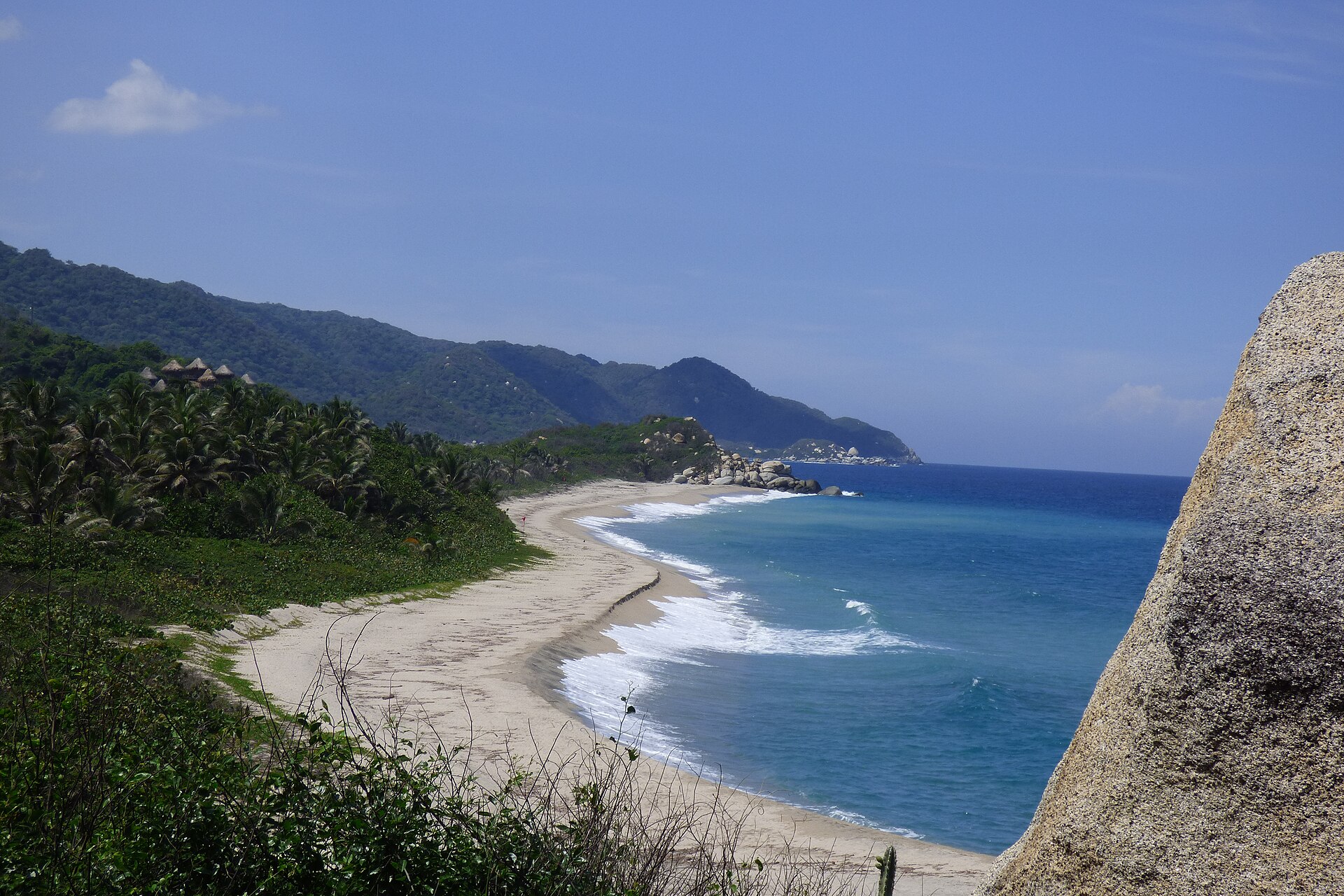
- —Why it matters Santa Marta is Colombia’s Caribbean gateway to Tayrona National Park, one of the country’s best-known nature destinations.
- —Why now Forty-one detainees escaped a Santa Marta police holding centre on Monday 12 October, and a one-tonne cocaine seizure near Tayrona followed.
- —What happened By Tuesday night 13 October, 12 escapees were back in custody and 29 remained at large, with 96 extra officers sent to the city.
- —The numbers Colombia stays at Level 3, Reconsider Travel, in a US advisory last updated on 30 March 2026; Magdalena is not on its Do Not Travel list.
- —What it means for you Santa Marta travel continues, with more police and no escape-related closure notice for Tayrona found on Wednesday 14 October.
- —Still open Where the fugitives are, whether US officials issue a local alert, and the exact dates of Tayrona’s autumn cultural closure.
- —Power Index Colombia ranks 6th of 14 in The Rio Times Latin America Power Index, with 51.9 points (October 2026 edition).
Santa Marta travel remains open to US visitors after Monday’s escape of 41 detainees, but the city’s security picture has tightened. Colombia’s Caribbean gateway to Tayrona National Park now has reinforced police while 29 fugitives remain at large.
For Americans, the core guidance has not changed, since the US State Department rates Colombia at Level 3, Reconsider Travel. Magdalena, the department around Santa Marta, is not on its Do Not Travel list.
This guide sets out what changed, what the official advisories say and how the escape affects trips to Tayrona. It draws on the State Department, Parques Nacionales Naturales and Santa Marta’s mayor.
What Changed in Santa Marta This Week
Forty-one detainees broke out of the city’s Centro de Traslado por Protección, a police holding centre, early on Monday 12 October. Monday was a public holiday, and President Abelardo de la Espriella removed the city’s police commander after the breakout, Canal 1 reported.
De la Espriella, a conservative lawyer who took office on 7 August, has promised a hard line against armed groups. His decision on the police chief is covered in Santa Marta Police Chief Fired, 41 Escaped.
By Tuesday night, Mayor Carlos Pinedo Cuello, the city’s elected head, said 12 escapees were back in custody. Three had been arrested in Santa Marta and Ciénaga, and nine had returned voluntarily, Caracol Radio reported.
That left 29 people at large, with rewards offered for two priority targets known by the aliases Mongolo and El Guajiro. The mayor said 96 extra officers had arrived to support the search, coordinated from a unified command post.
The ACSN, or Autodefensas Conquistadoras de la Sierra Nevada, is the armed group that dominates the mountains above the city. Its background and its links to the escape are set out in Santa Marta Jailbreak: What We Know About the ACSN.
The president’s refusal to negotiate with the group is examined in Colombia’s President Rejects Talks With Santa Marta Group. For wider context on the country, see our Colombia explainer and our guide to Colombia’s key political players.
On Tuesday 13 October, police announced a one-tonne cocaine seizure in Calabazo, a rural area of Santa Marta near Tayrona. Preliminary findings tie the load to an ACSN unit, and investigators say it was bound for the United States.
The army and police ran the operation with the US Drug Enforcement Administration (DEA), Caracol Radio reported. Brigadier General William Castaño Ramos, the police anti-narcotics director, praised the coordination between Colombian and US authorities.
Follow this story
Get an email when there’s news on Colombia
Free. One email a day at most, and only when there is news. This also signs you up to our weekday newsletter, The LatAm Brief. Nothing arrives until you click the confirmation link, and you can stop either with one click. Privacy policy.
What the US Travel Advisory Says
The State Department’s Colombia advisory was last updated on Monday 30 March 2026 and has not been reissued since the escape. It cites crime, terrorism, civil unrest, kidnapping and natural disasters as reasons to reconsider travel.
The advisory says violent crime, including murder, assault and robbery, is common in many areas of Colombia. It also warns of drugging, extortion and armed break-ins, including at hotels and other places tourists stay.
Its Do Not Travel list covers Arauca, Cauca outside Popayán, Valle del Cauca outside Cali and Norte de Santander. It also covers a strip within 10 kilometres (5 miles) of the border with Venezuela.
Magdalena department, which includes Santa Marta and Tayrona, is not on that list. Level 3 applies there, meaning US citizens should weigh the risks carefully before going.
The advisory tells crime victims not to resist if they are targeted. It adds that crimes against tourists in Colombia are not always prosecuted.
Santa Marta Travel and Tayrona Park Status
Parques Nacionales Naturales, the state agency running Tayrona National Park, had posted no closure notice tied to the escape on Wednesday. Its latest security closure came earlier this year, after threats against park staff.
On Tuesday 17 February, the government closed the park under Resolution 091 after blockades at the El Zaino and Neguanje entrances. Park staff had received threats on social media, and unauthorised fees were being charged at the gates.
On Wednesday 4 March, the government announced the park would reopen on 5 March under a new security plan. Parques Nacionales said 60 police officers were already inside the park and the number could rise to 80.
The plan included a permanent post for the Carabineros, the rural police unit, inside the protected area. The government presented it as a security guarantee for visitors, local communities and park staff.
Santa Marta travel plans should also allow for Respira Tayrona, a cultural rest period agreed with the Sierra Nevada’s Indigenous peoples. Parques Nacionales holds these closures of about 15 days three times a year, in February, June and between October and November.
The exact 2026 dates for the October to November closure were not confirmed on the agency’s website on Wednesday. Travellers should check the park’s official channels before booking entry, transport or campsites.
The cocaine was found in a makeshift warehouse in rural Bonda, near the park rather than inside it, police said. Officials have not linked the seizure to any threat against visitors.
What It Means for You
For US visitors, the practical effect of the escape so far is more police in the city, not new travel restrictions. We found no curfew, road closure or park closure tied to the escape in official notices on Wednesday.
Enrol in the State Department’s Smart Traveler Enrollment Program (STEP) so the US Embassy in Bogotá can reach you with alerts. Follow the Santa Marta mayor’s office and Parques Nacionales for local changes during your stay.
Use registered taxis or ride services, avoid driving on rural roads at night and keep valuables out of sight. If confronted, do not resist, which is the State Department’s own advice.
Expats weighing Santa Marta travel or longer stays should keep plans flexible for the coming weeks. The ACSN’s armed strike in September showed how quickly shops and transport in the area can shut down.
The counterweight is a heavy state presence, with reinforcements in the city and police posted inside Tayrona since March. Recaptures are continuing, and the mayor said police had located two more fugitives.
What Is Not Known
It is not known where the 29 remaining fugitives are, or whether any have joined armed groups in the Sierra Nevada. Officials have not said how the guards lost control of the holding centre.
It is unclear whether the State Department or the US Embassy will issue a new security alert for Santa Marta. The exact dates of Tayrona’s autumn cultural closure also remain unconfirmed.
Investigators have not released full findings on the cocaine shipment or its planned route to the United States. Caracol Radio’s report on the seizure mentioned no arrests.
Frequently Asked Questions
Is Santa Marta safe to visit after the prison escape?
The city remains open, with reinforced police and no escape-related travel restrictions in official notices on Wednesday 14 October. Visitors should stay alert, avoid night travel on rural roads and follow local authorities.
What is the US travel advisory for Colombia?
The State Department rates Colombia at Level 3, Reconsider Travel, in an advisory last updated on 30 March 2026. Magdalena, the department around Santa Marta, is not on its Do Not Travel list.
Is Tayrona National Park open?
Parques Nacionales Naturales had posted no closure notice linked to the escape on Wednesday 14 October. The park does close for about 15 days between October and November for the Respira Tayrona cultural rest period.
How many escapees are still at large?
Forty-one detainees escaped on Monday 12 October, and 12 were back in custody by Tuesday night. That left 29 at large, according to Santa Marta’s mayor.
Who are the ACSN?
The Autodefensas Conquistadoras de la Sierra Nevada are an armed group based in the mountains above Santa Marta. Police link one of its units to a one-tonne cocaine load seized near Tayrona and bound for the United States.
Sources: U.S. Department of State, Colombia Travel Advisory; State Department travel advisories data; Parques Nacionales (closure, Resolution 091); Parques Nacionales (reopening plan); Parques Nacionales (Respira Tayrona); Caracol Radio (recaptures); Caracol Radio (cocaine seizure); Canal 1; El Espectador; Caracol Radio (end of armed strike) (all accessed 14 October 2026).
Editorial responsibility: Matthias Camenzind, Editor-in-Chief · Editorial standards · Report an error
The Rio Times · Power Map
See who really holds power in Latin America
Click to open the Power Map →