By The Rio Times | Created at 2026-08-09 22:31:34 | Updated at 2026-08-09 23:44:10
1 hour ago
By The Rio Times | Created at 2026-08-09 22:31:34 | Updated at 2026-08-09 23:44:10
1 hour ago
Brazil · Agriculture
Key Facts
- Second case — São Paulo confirmed its second avian influenza case of 2026 in a wild irerê duck at Ibirapuera park.
- Wild bird — The infected bird was found in the park, with no link to commercial poultry or farms.
- No embargo — The state agriculture secretariat said the case does not trigger any export embargo on chicken or eggs.
- Sanitary status — Brazil’s and São Paulo’s WOAH sanitary status remains unchanged.
- No human cases — Officials reported no human influenza cases in the state so far.
- Isolated event — The secretariat described the case as isolated, with no impact on the poultry production chain.
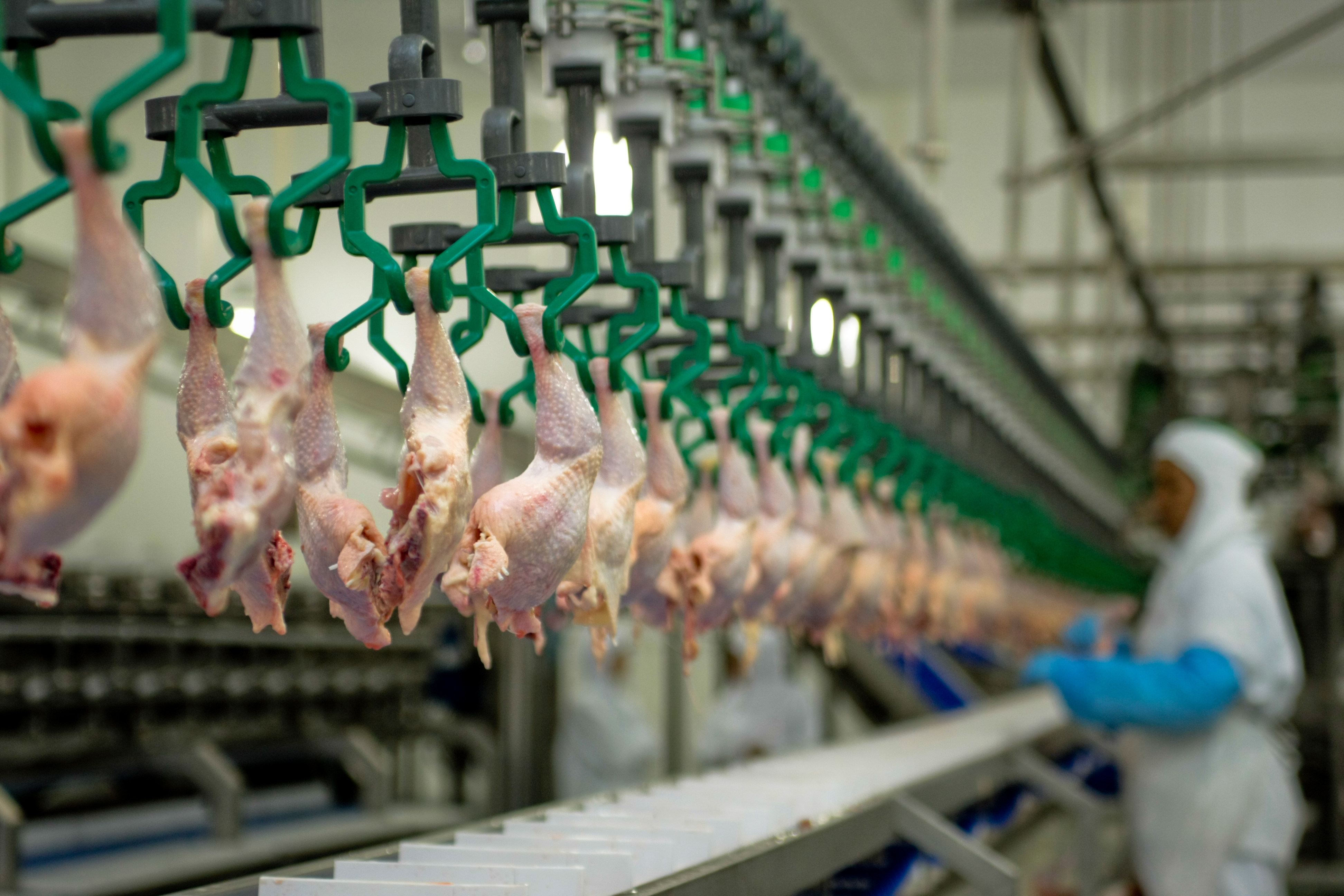
- Global context — Brazil is the world’s largest chicken exporter, making avian flu a closely watched issue.
A wild duck at Ibirapuera park tests positive for avian influenza, but officials stress it is isolated and poses no threat to commercial poultry or exports.
The São Paulo bird flu case confirmed on Friday (7 August) involved a wild irerê duck (Dendrocygna viduata) found at Parque Ibirapuera. The state agriculture secretariat said the case is isolated, with no link to commercial poultry, no export embargo, and no change to Brazil’s sanitary status before the World Organisation for Animal Health (WOAH).
One-stop reference
Company Intelligence
Every listed company in Latin America — financials, ownership and structure for 1,450+ companies across 26 exchanges, in one place.
São Paulo Bird Flu Case: What Happened at Ibirapuera Park
The infected bird, a species of wild duck common in South America, was found in the park, isolated, clinically examined, and sampled for investigation, according to the Secretaria de Agricultura e Abastecimento de São Paulo. The secretariat confirmed the case on Friday, and the news was reported on 8 August 2026.
This is the state’s second avian flu case in 2026, but officials emphasise it is an isolated finding in a wild bird. There are no commercial poultry establishments within 10 km of the detection site, the secretariat said.
The detection was made during routine surveillance of wild birds in urban green spaces, a programme that has been in place since the first case was recorded earlier in the year. The duck was found in a pond near the park’s main entrance, and park staff immediately contacted veterinary authorities.
Samples from the bird were sent to the state’s reference laboratory, where molecular tests confirmed the presence of the influenza A virus subtype H5N1. The secretariat said the bird was euthanised to prevent any potential spread, though the risk to other wildlife or park visitors is considered minimal.
Local officials have increased monitoring of waterfowl in the park, but no other birds have shown signs of infection. The park remains open, and signage has been posted advising visitors not to feed or approach wild birds, as is customary in such situations.
Why It Matters for Brazil’s Poultry Exports
You might wonder why a single sick duck in a park makes headlines. The reason is simple: Brazil is the world’s largest chicken exporter, and any avian flu detection can send ripples through global markets.
But this case is not a commercial outbreak. The state government said it has no relationship with commercial farms or food production, and it does not affect the poultry or egg production chain. In plain terms, there is no embargo on chicken meat or egg exports from Brazil or São Paulo.
Avian influenza, or bird flu, is a viral disease that primarily affects birds, but certain strains can occasionally infect humans. The state government reported no human influenza cases in São Paulo so far, reassuring residents and visitors alike.
International buyers have historically reacted swiftly to any avian flu news from Brazil, but trade analysts note that isolated cases in wild birds have not led to lasting restrictions. The signal from the secretariat is that this detection is a low-risk event.
For the global poultry market, the key metric is whether commercial flocks are affected. Since this case is confined to a wild duck in an urban park, it does not alter the risk assessment for Brazilian poultry products, which remain in high demand worldwide.
Sanitary Status and Official Response
The secretariat stressed that the finding does not impact the sanitary status of São Paulo or Brazil before WOAH. That means Brazil’s official status as free of highly pathogenic avian influenza in commercial poultry remains unchanged.
For residents and expats in São Paulo, the practical advice is unchanged: enjoy Ibirapuera Park, but avoid touching wild birds, as is standard for any park. The secretariat continues to monitor the situation, but there is no cause for alarm.
The state’s animal health agency has activated its emergency response protocol, which includes heightened surveillance within a 10 km radius of the detection site. This involves checking nearby poultry farms, though none exist in the immediate area, and testing wild birds in other metropolitan parks.
Officials have also communicated the detection to national authorities, who in turn have informed WOAH and Brazil’s trading partners. This transparency is part of Brazil’s commitment to maintaining its sanitary credentials and avoiding trade disruptions.
The federal agriculture ministry issued a statement supporting the state’s actions, noting that the case is consistent with global patterns of avian flu circulating in wild bird populations. No further restrictions are expected unless additional cases emerge.
What This Means for You
If you live in or invest in Latin America, this case is a reminder of how closely Brazil’s agricultural sector is watched. But it also shows that officials act swiftly and transparently when a detection occurs.
For now, your chicken dinner and Sunday roast are safe. The poultry industry remains unaffected, and Brazil’s export machine is running as usual — just as it has throughout previous isolated wild-bird cases.
For those who visit Ibirapuera Park regularly, the sight of a few extra officials in eathwear may be noticeable, but daily operations are unchanged. The park’s wildlife, including the irerê ducks that share the ponds with other species, continues to be part of its charm.
The broader message for consumers is that avian flu is a disease of birds, and the risk to humans remains negligible when standard hygiene practices are followed. Cooking poultry thoroughly always eliminates any potential viral presence.
As Brazil moves through its agricultural calendar, the secretariat will provide updates if the situation evolves. For now, the São Paulo bird flu case is a footnote in the country’s ongoing surveillance efforts, and life goes on.
Frequently Asked Questions
Is this bird flu case dangerous to humans?
No human cases have been reported in São Paulo, and the case involves a wild bird, not commercial poultry. The risk to humans remains very low.
Will this affect Brazil’s chicken exports?
No. The state government said the case does not trigger any export embargo on chicken meat or eggs. Brazil’s sanitary status is unchanged.
What is avian influenza?
Avian influenza, or bird flu, is a viral disease that mainly affects birds, but some strains can occasionally infect humans. It spreads among wild birds and can sometimes reach poultry farms.
Should I avoid Ibirapuera Park?
No, the park remains open. Just avoid touching wild birds, as you would in any park. Officials are monitoring the situation.
Sources: Secretaria de Agricultura e Abastecimento de São Paulo; Ministério da Agricultura e Pecuária; WOAH (OMSA).