By The Rio Times | Created at 2026-06-12 15:31:34 | Updated at 2026-06-12 20:49:39
5 hours ago
By The Rio Times | Created at 2026-06-12 15:31:34 | Updated at 2026-06-12 20:49:39
5 hours ago
Panama · Step by Step
Key Facts
- Free public schools. Public education is free and taught in Spanish.
- Strong private hub. Panama City has a deep choice of international and bilingual schools.
- Familiar curricula. US-accredited, British, IB, French and German options are all available.
- Two calendars. Local schools run roughly March to December; some international schools follow the August–June year.
- Apply early. The best-known schools fill quickly, so enquire well ahead.
Schools in Panama give expat families a genuine choice, from free public education to a deep bench of international and bilingual schools in Panama City. Knowing the two school calendars and the main school types makes settling your children in far less daunting.
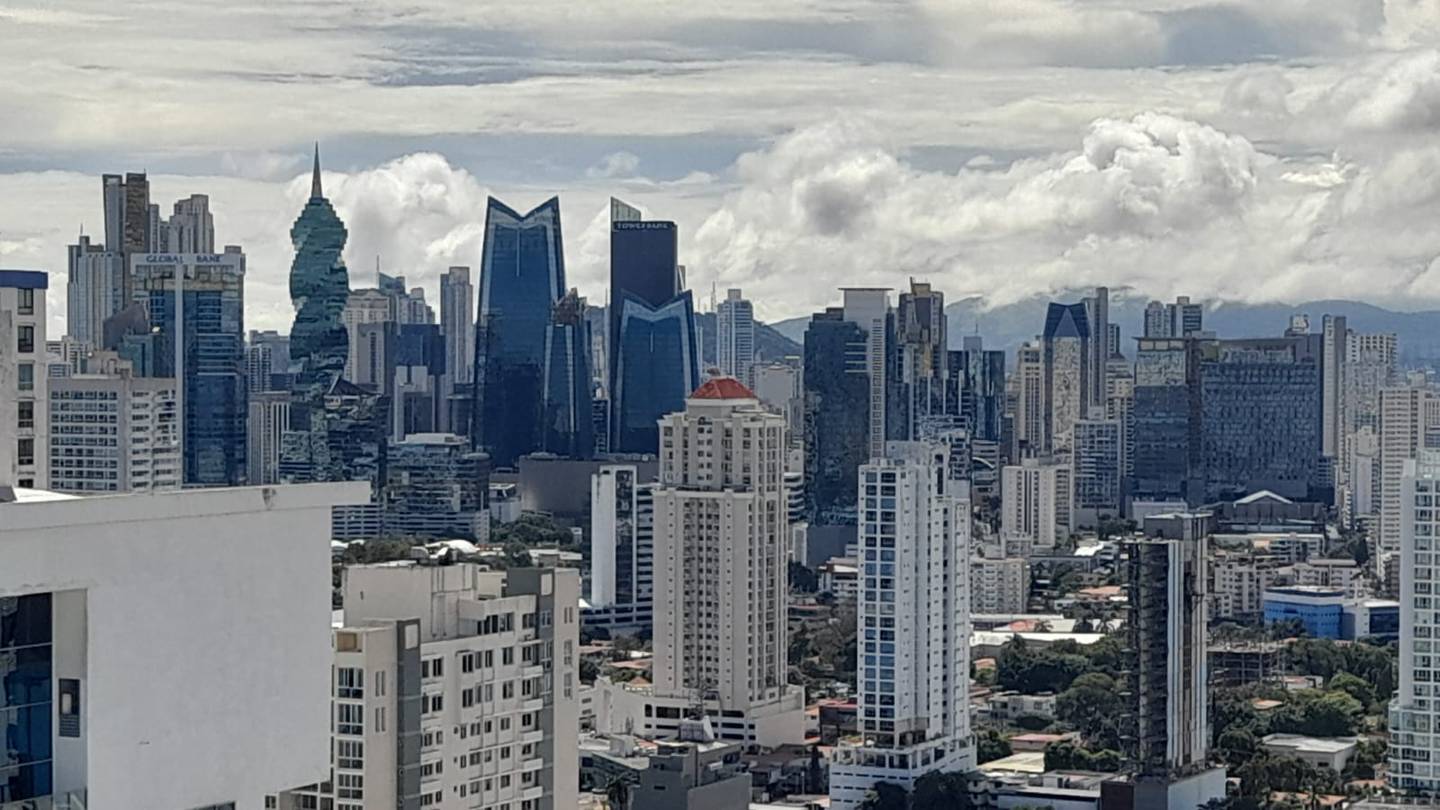 Panama City offers the widest range of school choices.
The public system
Public education in Panama is free and taught in Spanish, overseen by the education ministry. Many families use it, and it can be a fast route to fluency for younger children.
Standards and facilities vary by school and area, as they do anywhere. Visiting in person gives you the clearest sense of whether a school fits.
For children who will grow up here, immersion in a Spanish-language school has real long-term value. It is worth weighing against the convenience of an international option.
International and bilingual schools
Panama City has a deep choice of international and bilingual schools, many clustered in and around the city’s residential districts. They teach in English, Spanish or both, easing the transition for newcomers.
They appeal to families who want smaller classes, a familiar language of instruction or particular extracurriculars. Fees vary widely, so it pays to compare several.
Demand for the best-known schools is high, and places fill early. Starting your search well before the year begins saves a scramble later.
Curricula and accreditation
You will find US-accredited schools, British schools, the International Baccalaureate, and French and German options. These ease a move by offering a recognised curriculum that travels well.
They suit families who expect to relocate again or want continuity with their home system. Some offer qualifications recognised by universities worldwide.
Ask each school which accreditation and exams it offers, and how that fits your plans. The right curriculum depends on where your children may study next.
The two school calendars
This is the detail newcomers most often miss: local schools run roughly from March to December, while many international schools follow the northern August-to-June year. The two calendars sit side by side in Panama City.
Choose with your arrival in mind, and ask each shortlist for its exact term dates. Lining up your move with the start of the year makes settling in smoother.
A mid-year arrival is possible, but the beginning of term is always the easiest moment to start. Plan early so your children are not waiting for a place.
Enrolling your child
Each school sets its own admissions steps, so contact your shortlist directly for requirements and deadlines. You will usually need identity documents, previous school records and proof of address.
Having records translated into Spanish in advance can speed things along. Ask whether the school needs anything legalised before you travel.
Visiting in person tells you far more than any prospectus, from the classrooms to the commute. Children often know within a visit whether a place feels right.
Beyond Panama City
Expat hubs like Boquete and Coronado have smaller international and bilingual schools that suit many families. Choice is narrower than in the capital, but the pace is gentler.
For specialist programmes or a particular curriculum, the capital still offers the most options. Some families in the interior weigh schooling against lifestyle when they choose where to live.
Whichever you pick, visit and talk to other parents before deciding. Local, first-hand knowledge is the quickest way to choose well.
Helping your child settle
A little Spanish before you arrive eases the first weeks, even just greetings and classroom basics. Children usually catch up with remarkable speed once they are immersed.
After-school clubs and sport are a quick route to friendships and confidence. Encourage your child to join something in the first month.
Keep talking to teachers, who are used to welcoming newcomers and happy to help. A short check-in early on heads off most worries.
Frequently Asked Questions
Is public school free?
Yes — public education is free and taught in Spanish, overseen by the education ministry.
Where are the international schools?
They are concentrated in Panama City, which offers US-accredited, British, IB, French and German options.
When does the school year run?
Local schools run roughly March to December, while many international schools follow the northern August-to-June calendar.
How early should I apply?
Early — the best-known schools fill quickly, so enquire well ahead of the term you want to start.
Are there good schools outside the capital?
Yes, expat hubs like Boquete and
The Rio Times · Power Map
See who really holds power in Latin America
Click to open the Power Map →