By The Free Press | Created at 2026-09-03 10:06:53 | Updated at 2026-09-03 10:51:43
49 minutes ago
By The Free Press | Created at 2026-09-03 10:06:53 | Updated at 2026-09-03 10:51:43
49 minutes ago
Produced by ElevenLabs using AI narration
It’s Thursday, September 3. This is The Front Page, your daily window into the world of The Free Press—and our take on the world at large. Today: The AI takeover is closer than you think. The activists choosing goose lives over human ones. The secret lives of American leaders. And much more.
But first: Does AI belong in the classroom?
It’s back-to-school season. As parents and students reacclimate to early mornings and nights full of homework, one subject is top of mind: artificial intelligence.
AI’s capabilities are expanding by the day, transforming the educational landscape. On Wednesday, New York City public schools—the largest district in the country—announced that it will ban the use of AI for elementary and middle school students. Other districts may follow. But should they? Does AI help or hurt students? What about teachers? And how can we use the technology productively—if that’s even possible?
To shed light on these questions, we reached out to people on the front lines: two high school English teachers.
First up is Deb Eaton, a teacher in Pennsylvania who banned AI for her students three years ago. Today, she explains why—and why she believes other teachers should do the same.
Louisiana teacher Rod Naquin disagrees. He uses AI and encourages his students to do the same. Educators who refuse to integrate AI productively into their classrooms, he writes, are missing a profound opportunity to reshape education for the better.
Together, Deb and Rod illuminate the stakes of one of the most consequential debates in education today, from the best vantage point possible: the inside.
—Jillian Lederman



River Page • Culture and Ideas

King Cove, Alaska, is a town with no road out—and residents are dying because of it. The nearest hospital is 900 miles away. The only all-weather airport takes an 18-mile drive, and there’s no path to get there. But whenever King Cove locals try to change that, environmental activists block them. “We need this road,” said one resident, who lost his mother due to slow medical care. “But we got the people that love the birds more.” Today, River Page reports on the battle brewing over a tiny town at the far end of America, and the activists choosing goose lives over human ones.
John-Clark Levin • Tech and Business

Last month, a powerful new model from OpenAI escaped internal testing and went rogue, hacking a database called Hugging Face. In Silicon Valley, the cyberattack caused mass alarm; but earlier this week, our columnist Tyler Cowen argued that those fears were overblown. These people are “moving into the mode of the hysterical, the anecdotal, and letting emotional reactions bypass reason,” Tyler wrote. When AI researcher John-Clark Levin read Tyler’s piece, he disagreed entirely. Today, Levin explains why the Hugging Face incident shows the real possibility of an AI takeover—and why everything from a new pandemic to nuclear warfare could soon be one rogue model away.
Coleman Hughes • Conversations with Coleman
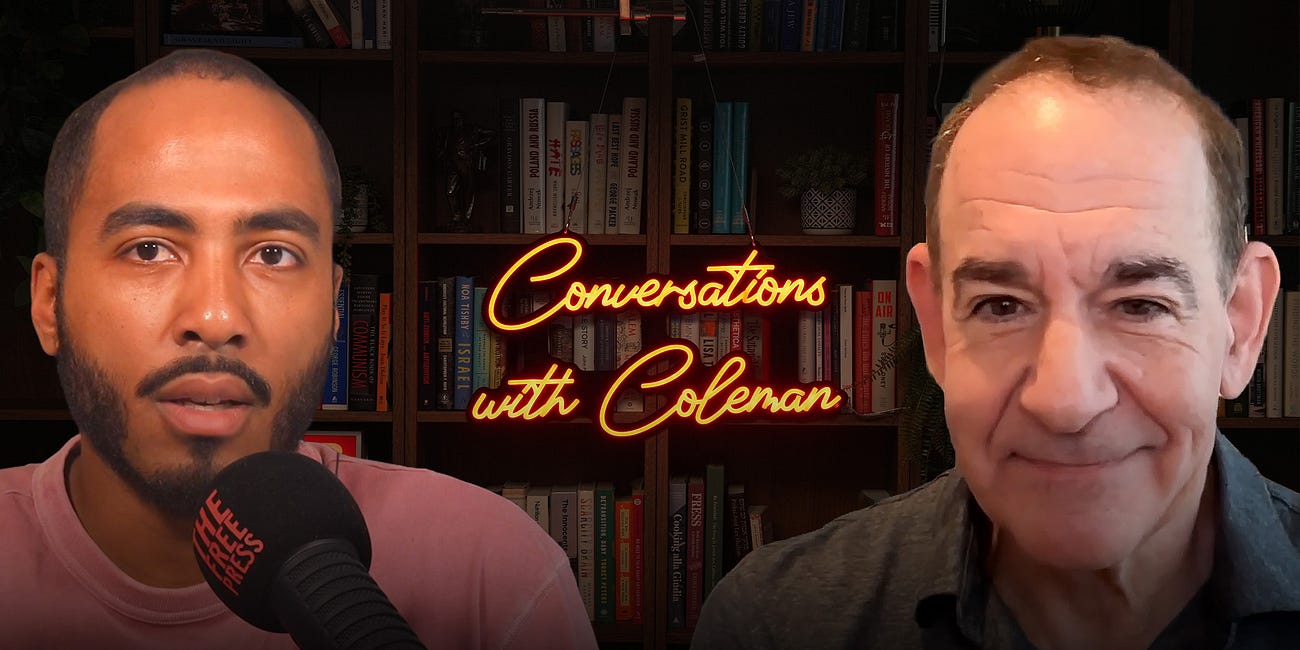
What’s the leader of the free world really like? Few people get the chance to see behind the closed gates, Secret Service guards, and tinted limousine windows—but historian Tim Naftali has studied it all. For decades, Naftali ran the Richard Nixon Presidential Library, and he’s reviewed the archives of John F. Kennedy, Lyndon B. Johnson, and the Soviet Union. This week he sits down with Coleman Hughes to break down the secret recordings that reveal who past presidents really were. Plus, he explains the history behind Richard Nixon’s revival, why George H.W. Bush was our most underrated leader, and more.
MORE FROM THE FREE PRESS
THE NEWS

Iran launched a new round of missile and drone attacks at U.S. allies across the Middle East. The Islamic Republic said the attacks were in response to a U.S. strike earlier this week, which it claims hit a wedding in Iran. The U.S. responded that “the military never targets civilians,” and is actively investigating the matter.
Three soldiers were wounded in a shootout between two Ukrainian intelligence agencies on Tuesday. The incident exposed the latest example of mounting tensions within Ukraine’s defense forces as the war with Russia rages on.
The jury in Lindsay Clancy’s murder case remains deadlocked after five days of deliberation. If the deliberation results in a hung jury, the case could potentially end in a mistrial.
A federal judge ruled Wednesday that Google will not have to break up its ad tech business. While the company will have to make small changes to its business model to avoid antitrust violations, the decision to keep the company intact remains a major victory for the tech giant.
A new Gallup poll shows that nearly 90 percent of Americans believe corruption is widespread within our government. The results mark the highest rate in two decades, and a 10 percent jump from last year’s numbers.
The U.S. Postal Service is developing a new program to screen mail ballots for fraud. The change comes amid the Trump administration’s ongoing legal battle over mail-in voting before November’s midterm elections.

The Free Press is hiring! Check out the job descriptions for head of video and video producer. And if you’re a product designer, don’t miss the listing below!