By The Rio Times | Created at 2026-08-17 17:01:52 | Updated at 2026-08-17 17:21:03
36 minutes ago
By The Rio Times | Created at 2026-08-17 17:01:52 | Updated at 2026-08-17 17:21:03
36 minutes ago
Costa Rica · Travel
Key Facts
- —Route Down the Sierpe River through mangroves, then out across the Pacific river mouth to Drake Bay, taking about 1 to 1.5 hours.
- —When Public colectivo boats leave Sierpe daily at 11:30 a.m. and 3:30 p.m.; return boats leave Drake Bay at 7:00 a.m. and 2:30 p.m.
- —Cost About US$20 one way to Drake Bay village (US$25–30 for outer coastal lodges), cash only, in US dollars or colones (roughly ₡9,000 at about ₡450 to US$1 in August 2026).
- —Booking Buy at the dock ticket office in Sierpe, or arrange ahead through your lodge or a tour operator.
- —Why go Drake Bay is the main gateway to Corcovado National Park on the Osa Peninsula, a place National Geographic famously called the most biologically intense on Earth.
There is no road to Drake Bay, so the little river-and-sea boat is not just transport. It is the first chapter of your Osa Peninsula adventure.
One-stop reference
Company Intelligence
Every listed company in Latin America — financials, ownership and structure for 1,450+ companies across 26 exchanges, in one place.
The boat from Sierpe to Drake Bay is one of those Costa Rica journeys where getting there is genuinely half the fun. Because no road reaches Drake Bay, almost everyone arrives the same way locals and researchers have for years: on a small open boat that winds down a jungle river.
Slips through mangroves, and then bounces out onto the open Pacific. It is short, a little wild, and an unforgettable welcome to the Osa Peninsula.
Why This Boat Ride Is a Costa Rica Must-Do
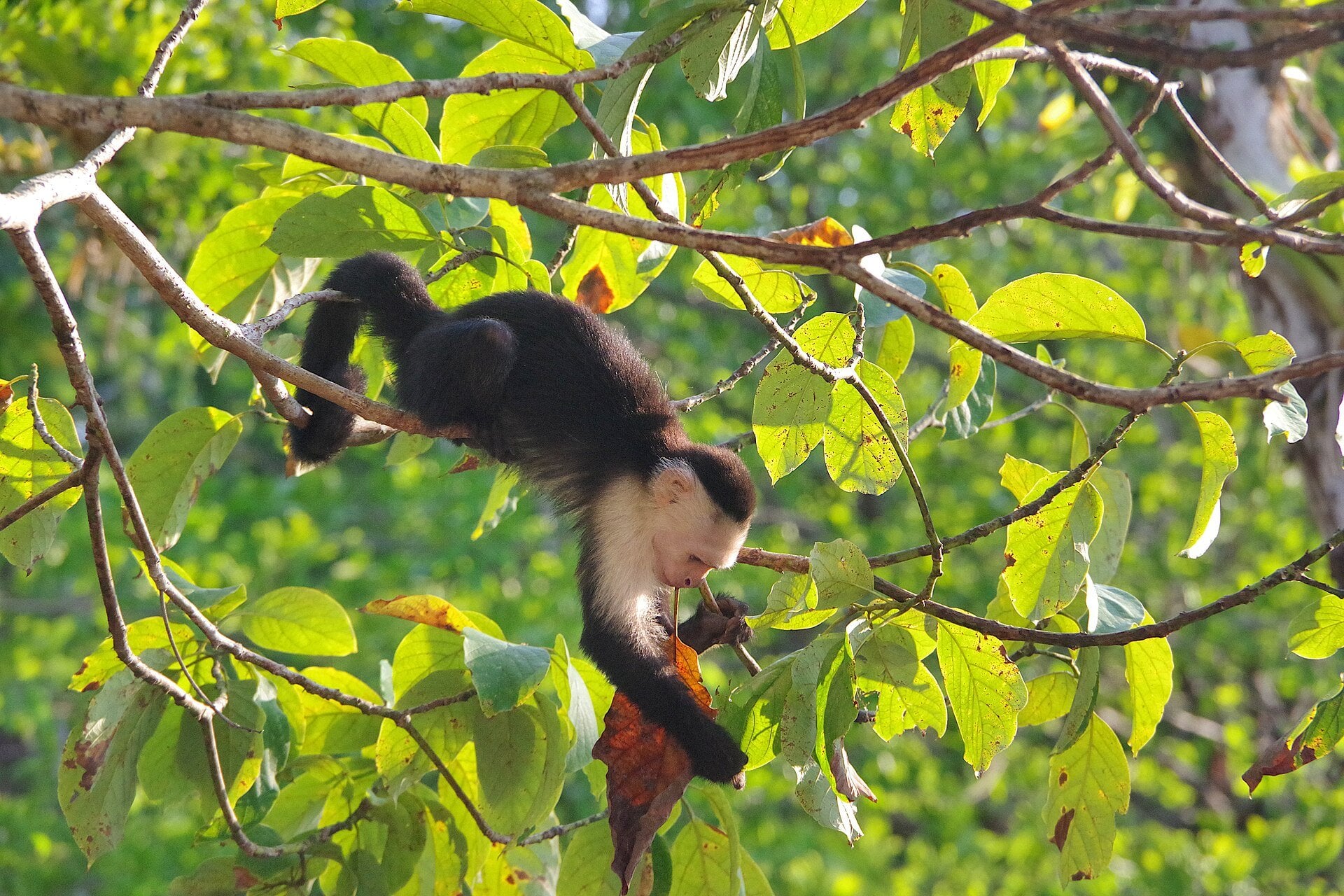
Most travelers reach the Osa Peninsula for one reason: Corcovado National Park, the wildest slice of rainforest in the country. But before the monkeys, macaws and maybe a tapir, there is the boat, and it sets the tone for everything that follows.
Drake Bay (Bahía Drake in Spanish) sits at the edge of a region so remote that there is still no paved road in. That isolation is exactly why the wildlife is so rich and why the boat ride feels like crossing into somewhere special.
So think of the trip less as a transfer and more as the opening scene. You leave the sleepy river town of Sierpe, glide past herons and mangrove roots.
And land on a beach where you often wade the last few steps ashore.
The Sierpe to Drake Bay Route, Step by Step
The journey starts in Sierpe, a tiny village on the banks of the Sierpe River. From there, the boat heads downstream through one of Central America’s largest mangrove systems.
A green tunnel where you might spot crocodiles, herons and the occasional troop of monkeys. After roughly an hour on the water, the river widens and meets the sea.
This is where the ride gets exciting, as the boat crosses the river mouth and then follows the coast to Drake Bay. In total, the crossing takes about one hour to an hour and a half.
Depending on the tides, the sea, and how many lodges the captain drops at along the way. It is a manageable trip even for nervous first-timers.
How to Reach Sierpe First
Because the boat leaves from Sierpe, your first job is simply getting to that dock. Most travelers come from San José, driving or taking a bus south along the Interamericana Highway toward Palmar Norte.
The nearest town of any size. From San José, budget roughly five to six hours of travel to reach Sierpe by road.
So an early start is wise if you want to catch a same-day boat. Palmar Norte is the transfer hub, and it is a short onward hop from there to the river.
If you are driving. There is secure parking in Sierpe where you can leave your car for the duration of your Drake Bay stay.
Alternatively, shuttle services and buses connect Palmar Norte and Sierpe throughout the day.
Boat Schedules and Times
The public, shared boats (known locally as the colectivo) run on a fairly reliable rhythm. From Sierpe, they typically depart daily at 11:30 a.m. and 3:30 p.m., timed loosely around the tides.
Coming back the other way. Boats leave Drake Bay for Sierpe at around 7:00 a.m. and 2:30 p.m. That morning return is popular with travelers connecting to onward flights or long drives.
Schedules can shift slightly by operator and season, however, and a few companies run their own transfers at other times. So always reconfirm your exact departure with your lodge or the ticket office the day before you travel.
What It Costs and How to Pay
The good news is that this iconic ride is cheap. A one-way seat on the public boat to Drake Bay village costs about US$20 per person.
Which is remarkable for what you get. If your lodge sits further along the coast, at spots like San Josecito, Rincón or Caletas.
Expect to pay a little more, usually in the US$25 to US$30 range because the captain runs further. One important detail: bring cash.
Payment is cash only, taken by the captain or at the small ticket office. And you can pay in US dollars or Costa Rican colones.
At roughly ₡450 to the dollar in August 2026, a US$20 ticket works out to about ₡9,000. Cards are not accepted, and there is no ATM waiting for you at the dock.
How to Book Your Seat
Booking is refreshingly low-tech. For the public colectivo, you can usually just turn up at the ticket office by the Sierpe dock.
Buy your seat, and climb aboard, especially outside the busiest holiday weeks. That said, if you are traveling in high season or staying at a specific lodge.
It is safer to arrange the boat in advance. Most Drake Bay hotels will happily book your transfer and coordinate the pickup as part of your reservation.
Tour operators and shuttle companies also bundle the San José-to-Sierpe leg with the boat, which takes the guesswork out of the connections. For remote lodges in particular, letting them organize the boat is the smoothest option.
What to Bring and Pack
This is a wet-and-wild little voyage, so pack accordingly. The single most useful item is a dry bag, or at least sturdy waterproof covers for your luggage.
Because spray and the beach landing can leave things damp. Keep phones, cameras, passports and cash sealed in something waterproof and within reach.
Sunglasses, a hat and reef-safe sunscreen are smart too, since there is little shade on the open water. Finally, wear sandals or water shoes you do not mind getting wet.
Boats usually beach right on the sand at Drake Bay, so you will often step into ankle-deep water to get ashore.
The River-Mouth Sandbar Crossing
The part everyone talks about afterward is the sandbar at the mouth of the Sierpe River. Where the calm water meets the Pacific swell.
Depending on the tide and the waves, this stretch can be smooth or genuinely bouncy. Local captains know this crossing intimately and time their runs with the tides.
So it is normally a brief thrill rather than anything to fear. Still, if you are prone to seasickness, take something beforehand and sit toward the middle of the boat.
For most travelers it becomes a favorite memory. A few minutes of salt spray and laughter as the boat rides over the swell before settling into the coastal run to Drake Bay.
Why Drake Bay and the Osa Peninsula Matter
Drake Bay is the classic launching point for Corcovado National Park. Which covers a huge stretch of the Osa Peninsula in Costa Rica’s remote southwest.
This is lowland Pacific rainforest at its most intact. National Geographic famously described the region as the most biologically intense place on Earth, and the numbers back up the hype.
Conservationists often note that this small peninsula holds on the order of 2.5 percent of the planet’s biodiversity. For visitors, that translates into a real chance of seeing all four of Costa Rica’s monkey species.
Scarlet macaws, tapirs and, offshore, humpback whales and dolphins. Day tours to Corcovado and to the Caño Island marine reserve both set off from Drake Bay.
Flying In as an Alternative
If the idea of a long drive plus a boat feels like a lot, there is a faster option. Drake Bay has its own small airstrip, served by domestic flights from San José that take roughly 40 to 50 minutes.
Flying is the quickest way in and delivers spectacular aerial views of the coastline and rainforest. In high season there are usually one to a few departures each day, though schedules thin out in the green season.
Many travelers do the best of both. Flying one direction to save time and taking the boat the other way so they still get that unforgettable river-and-sea experience at least once.
Tips for a Smooth Trip
Plan your first day around the boat times rather than the other way round. Aim to reach Sierpe with a comfortable buffer before the 11:30 a.m. or 3:30 p.m. departure.
Because missing it can mean a long wait or an overnight in Palmar. Carry enough small cash for the boat, tips and any snacks, since card payments simply are not an option out here.
A little extra colones or dollars also helps once you reach Drake Bay, where services are limited. Above all, lean into it.
This is not a polished ferry with a snack bar. It is a working local boat through some of the wildest scenery in Central America.
And that rough-around-the-edges charm is exactly the point.
Frequently Asked Questions
How much does the Sierpe to Drake Bay boat cost?
The public boat costs about US$20 one way per person to Drake Bay village. And roughly US$25 to US$30 if your lodge is further along the coast.
What times do the boats leave?
Public colectivo boats usually depart Sierpe daily at 11:30 a.m. and 3:30 p.m., and return from Drake Bay at around 7:00 a.m. and 2:30 p.m. Times can vary by operator and season. So reconfirm with your lodge or the Sierpe ticket office the day before.
How do I book and what should I bring?
You can buy a seat at the Sierpe dock ticket office on the day. Or have your lodge or a tour operator arrange it in advance, which is safer in high season.
Why go to Drake Bay and the Osa Peninsula?
Drake Bay is the main gateway to Corcovado National Park. One of the most biodiverse rainforests on Earth, plus boat trips to the Caño Island marine reserve.
Sources: Sierpe.net; drakebayboat.com; mytanfeet.com; National Geographic; XE (FX rate).