By The Rio Times | Created at 2026-10-08 09:26:57 | Updated at 2026-10-08 10:51:19
1 hour ago
By The Rio Times | Created at 2026-10-08 09:26:57 | Updated at 2026-10-08 10:51:19
1 hour ago
SOMALIA · HEALTH
Key Facts
- —The country Somalia, a fragile Horn of Africa state, borders Kenya.
- —What happened Health teams at Mogadishu airport now check passengers from African countries.
- —Why now Kenya reported its first Ebola case, a fatal one, on 6 October.
- —The numbers DR Congo outbreak: 8,665 confirmed cases, 4,178 confirmed deaths.
- —What it means for you Travellers flying into Mogadishu from Africa should expect health checks.
- —Still open Whether other Somali airports and land crossings screen arrivals too.
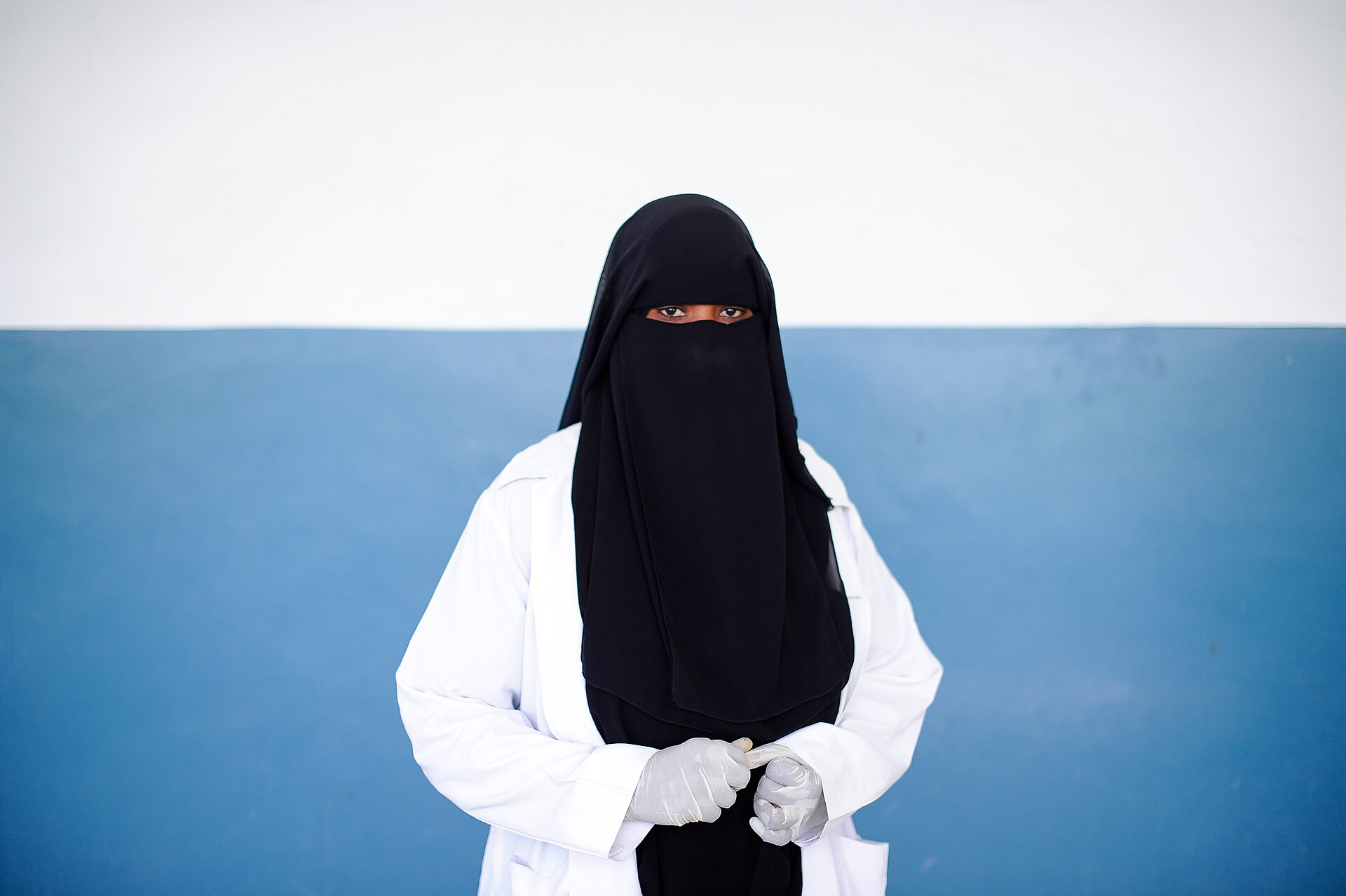
Somalia has put health teams at Mogadishu’s airport to check arrivals from Africa after Kenya confirmed a fatal Ebola case.
Somalia’s federal government has begun Ebola screening of passengers on flights from African countries at the airport in Mogadishu, the capital. Health Minister Ali Haji Adan’s remarks were published on Wednesday, 7 October, a day after neighbouring Kenya reported its first Ebola case.
The step matters to foreign travellers, aid workers and Somali Americans visiting family, because Kenya and Somalia share a long land border. It also shows how an outbreak centred in the Democratic Republic of Congo is now testing weaker health systems further east.
What the Health Ministry Announced
Ali Haji Adan is Minister of Health and Social Care in the federal government of President Hassan Sheikh Mohamud. He said health workers had been sent to the airport to follow flights arriving from African countries.
The staff also check passengers’ health before they leave the airport for the city, Caasimada Online reported in Somali. Caasimada is a Mogadishu-based Somali-language news site.
“We have set up a health team that works at the airport and follows flights arriving from African countries,” the minister said. “We are now strengthening preparedness further, since Ebola has reached Kenya, our neighbour,” he added, in remarks translated from Somali.
Somali Guardian, an English-language Somali outlet, said the government is closely watching flights from Ebola-affected African countries. It said health staff have been deployed at Mogadishu airport and an awareness campaign has started.
The ministry also issued advice: wash hands often, avoid the blood or body fluids of sick people, and seek care quickly. That last point applies above all to people who fall seriously ill after visiting an Ebola-affected area.
Symptoms listed by the ministry include sudden fever, severe fatigue, muscle pain, headache, sore throat, vomiting, diarrhoea and unexplained bleeding. They can appear between 2 and 21 days after infection.
Hiiraan Online, a long-running Somali news site, repeated the minister’s account on Thursday, 8 October. Its Somali-language report said medical teams had been sent to the country’s airports, in the plural.
Follow this story
Get an email when there’s news on Africa
Free. One email a day at most, and only when there is news. This also signs you up to our weekday newsletter, Africa Intelligence. Nothing arrives until you click the confirmation link, and you can stop either with one click. Privacy policy.
Why Kenya’s Case Raised the Alarm
The patient was a Kenyan citizen who fell ill in Congo, World Health Organization (WHO) chief Tedros Adhanom Ghebreyesus said. He travelled to Nairobi via Kampala, Uganda’s capital, was isolated on arrival and died on Monday, 5 October.
Kenyan authorities are monitoring 55 contacts, including passengers and crew from his Kampala to Nairobi flight, The Star, a Nairobi daily, reported. Kenya has set aside 241 beds in five facilities for Ebola patients, Health Cabinet Secretary Aden Duale said.
The wider outbreak is caused by Bundibugyo virus, a member of the Ebola family, and is centred in Congo. The US Centers for Disease Control and Prevention (CDC) counted 8,665 confirmed cases and 4,178 confirmed deaths there.
Those figures run to Monday, 5 October, and CDC describes the outbreak as the second-largest Ebola outbreak on record. Uganda has recorded 20 confirmed cases but has no active ones, according to the agency.
“WHO advises against blanket travel or trade restrictions which are less effective than screening, contact tracing and other measures,” Tedros said. Somalia’s airport checks fall into the screening category that WHO recommends.
Ebola Screening Meets a Fragile Health System
No Ebola case has been confirmed in Somalia, and CDC’s case table lists none there. Puntland’s health ministry said on Tuesday, 6 October, that no case had been found in its territory.
Puntland is a semi-autonomous state in Somalia’s northeast with its own government and ministries. It said it was strengthening preparedness, early detection and rapid response, Garowe Online reported.
The national health system is thin. Somali Guardian noted that decades of conflict left it weak, and that Mogadishu does not control all airports and borders.
Funding is also under strain. On Tuesday, the minister told lawmakers that nearly 600 health facilities had faced closure as outside funding fell, Hiiraan Online reported.
He said money had been found to keep those facilities open through December. The report did not say who provided it or what happens afterwards.
Preparation did start before Kenya’s case. Goobjoog, a Mogadishu media group, reported on Tuesday, 22 September, that officials had finished a three-day Ebola drill with WHO support.
About 70 people from federal and state health bodies and partner agencies took part. The drill flagged weak spots in reporting, patient referral and checks at points of entry.
What It Means for US Readers
CDC says no Ebola cases from this outbreak have been reported in the United States, and the risk to Americans stays low. Its Ebola page, last updated on Wednesday, 7 October, lists entry rules for three countries only.
Travellers who were in Congo within 21 days may not board commercial flights to the United States. US citizens arriving from Uganda or South Sudan must enter through designated airports for extra Ebola screening.
Kenya is not on that list, despite its confirmed case. Somalia is not on it either, and has no confirmed case.
Somalia already carries the State Department’s highest warning, Level 4, Do Not Travel. Somali Americans who still visit relatives should now expect health questions or checks when landing in Mogadishu.
For aid groups and contractors moving staff between Kenya and Somalia, the checks add a step to travel planning. Any confirmed case in Somalia would test a health system that leans heavily on outside money.
What Is Not Known
The ministry has not published details of the checks, such as temperature scans, health forms or isolation rooms. Its website carried no Ebola notice on Thursday morning.
It is unclear whether airports in Garowe, Bosaso or Kismayo, or land crossings with Kenya, run the same checks. Hargeisa airport, in the breakaway Somaliland region, falls outside federal control.
Reports also differ on scope. Hiiraan Online wrote of airports in the plural, while other outlets named Mogadishu only.
It is not known how many travellers have been checked so far, or whether anyone has been isolated. Officials quoted in Somali media did not mention any suspected case.
What Comes Next
Kenya’s 55 contacts will be watched through the 21-day incubation window, which will show whether the virus spread beyond one patient. Tedros said a vaccine trial is expected to start later this month.
Somalia’s health ministry says it will keep strengthening its Ebola screening and preparedness. The checks do not mean Somalia has a case, and flights from Kenya have not been banned.
Frequently Asked Questions
Does Somalia have any Ebola cases?
No confirmed case has been reported in Somalia. Puntland’s health ministry said on 6 October that none had been found in its territory.
What checks do travellers face in Mogadishu?
Health teams at the airport follow flights from African countries and check passengers before they enter the city. The ministry has not published further details.
Can Americans travel to Somalia?
The State Department rates Somalia Level 4, Do Not Travel. Those who go anyway should expect health checks on arrival from African countries.
Is Kenya under US Ebola travel rules?
Not as of the CDC update of 7 October, which covers Congo, Uganda and South Sudan. CDC says the risk to Americans remains low.
What are the symptoms of Ebola?
Sudden fever, severe fatigue, muscle pain, headache, sore throat, vomiting, diarrhoea and unexplained bleeding. Symptoms can appear 2 to 21 days after infection.
Sources: Caasimada Online (Somali), minister’s remarks and ministry advice; Hiiraan Online (Somali); Somali Guardian; Garowe Online; Hiiraan Online, health funding; Goobjoog (Somali); The Star, Kenya; The Star, WHO on travel curbs; US Centers for Disease Control and Prevention; US State Department, Somalia travel advisory (all accessed 8 October 2026).