By The Rio Times | Created at 2026-06-18 08:01:52 | Updated at 2026-06-18 10:10:41
2 hours ago
By The Rio Times | Created at 2026-06-18 08:01:52 | Updated at 2026-06-18 10:10:41
2 hours ago
SOUTH AFRICA · ECONOMY
Key Facts
—$1 billion approved: The BRICS-founded New Development Bank cleared a loan of up to $1 billion for South Africa on June 15, aimed at municipal infrastructure.
—Eight metros: The money targets Buffalo City, Cape Town, Ekurhuleni, eThekwini, Johannesburg, Mangaung, Nelson Mandela Bay and Tshwane.
—22 million people: Those cities house about 22 million residents, nearly 40% of the population and most of the country’s economic output.
—Core services: Funds will go to water and sanitation, electricity networks and solid-waste systems, the bank says.
—Treasury top-up: The loan complements R54 billion (about $3 billion) in performance-based grants announced by the National Treasury in March.
—A Brazilian at the helm: The bank is led by former Brazilian president Dilma Rousseff and headquartered in Shanghai.
—Underinvestment: South Africa’s infrastructure spending fell from about 30% of GDP in the early 1980s to 15% in 2022, official data show.
A new BRICS bank loan of up to $1 billion will help South Africa repair water, power and sanitation across the country’s eight largest cities. The New Development Bank, founded by the BRICS group, announced the financing on June 15, tying one of the bloc’s flagship institutions to the daily plumbing of South African urban life.
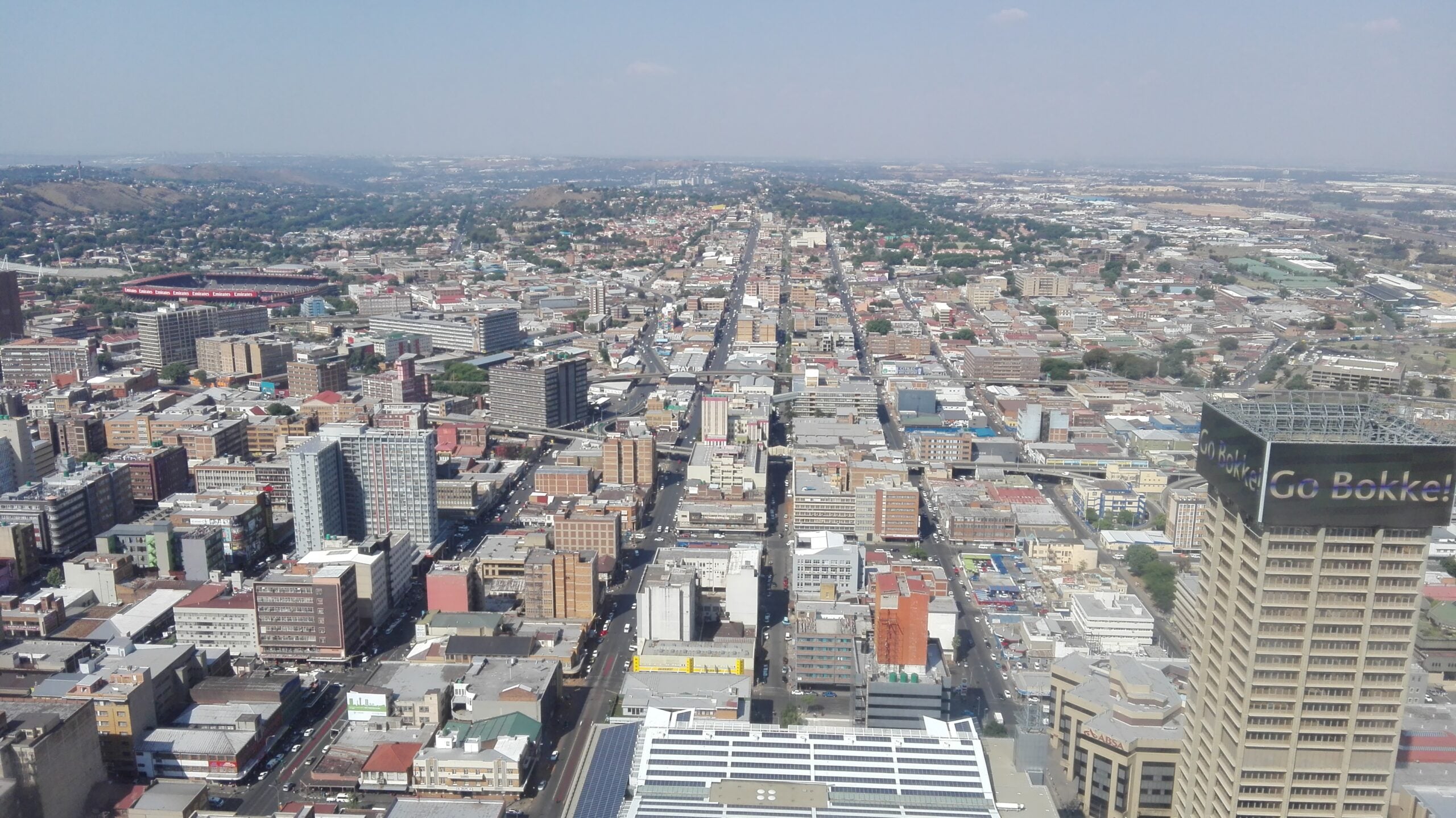 Johannesburg, South Africa’s largest city, is one of eight metros set to share in the loan. (Photo: JTeessen, CC BY-SA 4.0, via Wikimedia Commons)
What the BRICS bank loan will pay for
The New Development Bank, the lender created by Brazil, Russia, India, China and South Africa, has signed off on up to $1 billion to modernise municipal services. The approval was announced on June 15, according to the bank.
The programme will channel money into water and sanitation systems, electricity distribution and solid-waste management. The bank says the goal is better living conditions and a friendlier setting for business.
It also frames the loan as support for South Africa’s National Development Plan 2030 and several United Nations Sustainable Development Goals. Those include sustainable cities, clean water and affordable energy.
Eight cities that carry the economy
The financing covers eight metropolitan municipalities: Buffalo City, Cape Town, Ekurhuleni, eThekwini, Johannesburg, Mangaung, Nelson Mandela Bay and Tshwane. Together they are home to about 22 million people.
That is close to 40% of South Africa’s population, concentrated in the hubs that generate most of its output. Many of those same cities have struggled with water shortages, ageing power lines and overstretched waste plants.
The new money is meant to ease those pressures while keeping essential services running. Better infrastructure, the bank argues, is also a precondition for private investment.
Reversing decades of underinvestment
South Africa’s problem is not new, and the numbers show it. Infrastructure spending slid from around 30% of GDP in the early 1980s to just 15% in 2022, according to official data.
That long decline has weighed on growth and left municipalities short of the capacity to deliver. Pipes, substations and treatment works have aged faster than they have been replaced.
The loan will sit alongside R54 billion, about $3 billion, in performance-based grants that the National Treasury announced in March. Those grants reward cities that reform how they manage and maintain their systems.
A Brazilian thread runs through the deal
For readers in Latin America, the most familiar face in this story sits at the top of the lender. The New Development Bank is led by Dilma Rousseff, the former president of Brazil, from its headquarters in Shanghai.
The bank was built by the BRICS countries as an alternative to the World Bank and the International Monetary Fund. It lends for infrastructure and development across member states and other emerging economies.
South Africa is one of three African shareholders, alongside Egypt and Algeria. Ethiopia, which joined the expanded BRICS bloc in January 2024, has applied to become a member as well.
Why a city loan speaks to a wider contest
A billion dollars for pipes and power lines can look modest next to the mega-deals that define the scramble for Africa. Yet the source of the money is the point.
The financing shows the BRICS bank reaching past summit communiqués and into the everyday machinery of an African state. It is the kind of practical lending that Western institutions have long dominated.
For South Africa, the calculation is straightforward: take development finance where the terms work, whoever is offering. For the bloc, each disbursement is a small, durable claim on influence.
What is at stake on the ground
The services on the list are the ones South Africans notice when they fail. Taps that run dry, substations that trip and refuse that goes uncollected are the daily texture of municipal decline.
South Africa has lived through years of rolling power cuts, and several metros have rationed water during dry spells. Repairing distribution networks and treatment works is meant to make those shocks rarer.
There is an economic edge to it as well. Investors weigh reliable power and water heavily, and cities that cannot guarantee them struggle to attract factories and offices.
Frequently asked questions
How much is the BRICS bank lending South Africa?
The New Development Bank approved a loan of up to $1 billion, announced on June 15, to upgrade municipal infrastructure.
Which cities will the money reach?
It targets eight metros: Buffalo City, Cape Town, Ekurhuleni, eThekwini, Johannesburg, Mangaung, Nelson Mandela Bay and Tshwane, home to about 22 million people.
What will the loan pay for?
The funds are earmarked for water and sanitation, electricity distribution and solid-waste management across those cities.
Who runs the New Development Bank?
The BRICS-founded bank is led by former Brazilian president Dilma Rousseff and is headquartered in Shanghai.
How does it fit South Africa’s own spending?
It complements R54 billion, about $3 billion, in performance-based grants announced by the National Treasury in March.
Connected Coverage
This loan is the latest thread in the contest we map in Africa: The New Scramble, where Western lenders, China and the BRICS bloc compete to finance the continent. The same bank, now run by Dilma Rousseff, has already channelled billions to Brazil, and its African footprint sits beside our wider Southern Africa coverage.