By The Rio Times | Created at 2026-06-16 09:08:56 | Updated at 2026-06-16 11:13:32
2 hours ago
By The Rio Times | Created at 2026-06-16 09:08:56 | Updated at 2026-06-16 11:13:32
2 hours ago
Brazil · Corporates
Key Facts
—The deal. Gerdau, Brazil’s largest steelmaker, is buying the stakes held by power firms Copel and Celesc in the Dona Francisca hydro plant.
—The result. The two purchases give Gerdau full ownership of the plant on the Jacuí River in Rio Grande do Sul state.
—The price. The two deals together carry an enterprise value of R$300m ($59m), paid from the company’s own cash.
—The milestone. Once complete, the company says self-generated power will cover more than half of its own electricity use.
—The plant. Dona Francisca has an installed capacity of 125 megawatts, enough to supply a city of around 350,000 people.
—The logic. Owning its own clean power lowers Gerdau’s energy bill and advances its plan to cut carbon from steelmaking.
One of Latin America’s biggest steelmakers is quietly buying up its own clean power, a move that says a lot about how heavy industry plans to survive volatile energy prices.
Making steel takes enormous amounts of electricity. For a company like Gerdau, the price of that power is one of the biggest swings between a good year and a bad one.
So the Brazilian steelmaker is doing something increasingly common among heavy industry. Rather than just buy power on the market, it is buying the plants that make it.
A push for its own clean power
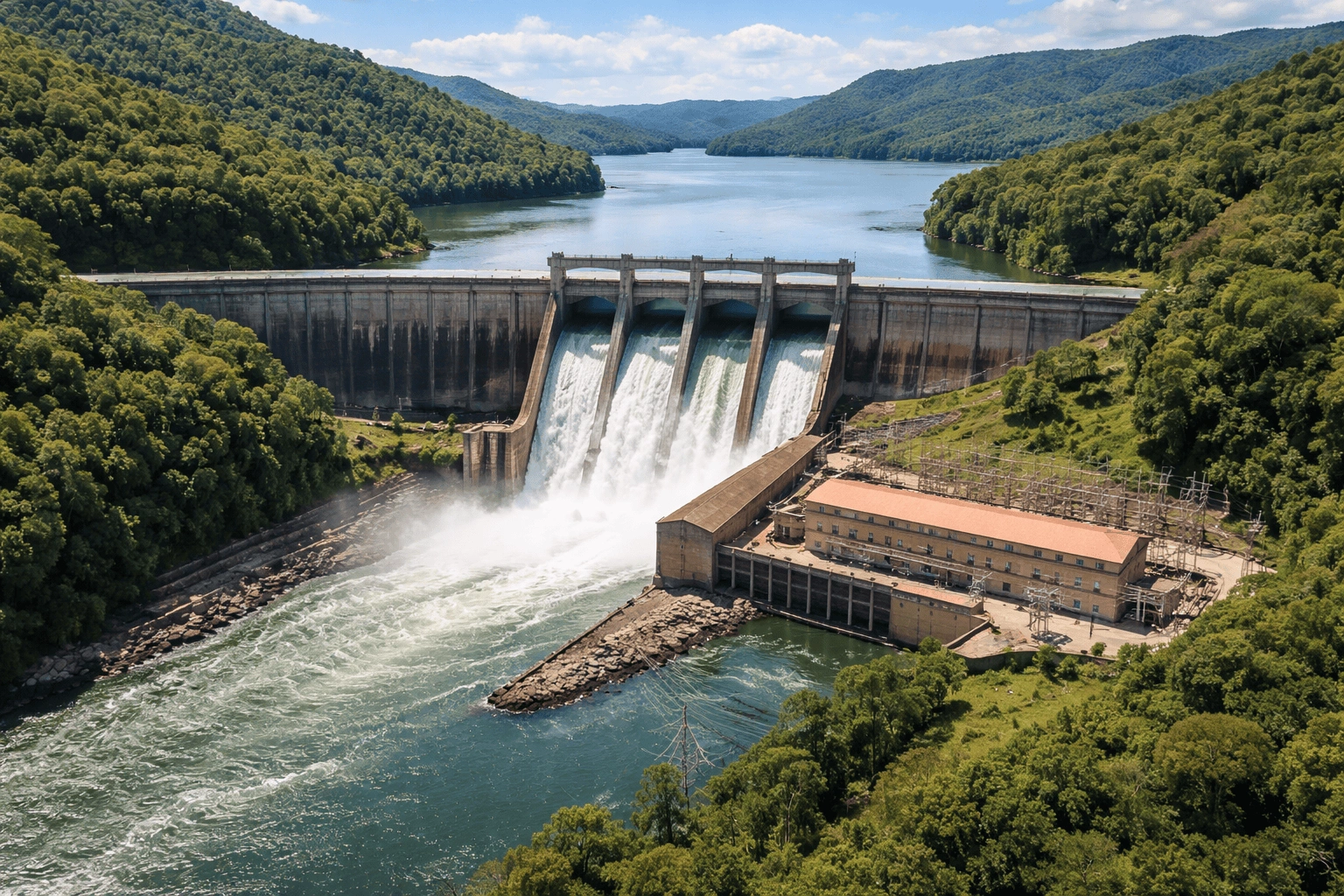
The latest step is the purchase of the stakes that two power utilities, Copel and Celesc, held in the Dona Francisca hydroelectric plant. The plant sits on the Jacuí River in the southern state of Rio Grande do Sul.
Gerdau already owned a controlling share. With these two deals it moves to full ownership of the operating company behind the plant.
The build-up was gradual. The company held just under fifty-four percent of the venture, then agreed to buy Celesc’s roughly twenty-three percent stake, lifting its share toward seventy-seven percent.
The matching purchase of Copel’s stake of the same size closes the loop. Together the deals hand Gerdau the remaining slice and full command of the asset.
The concession itself runs for years yet. The right to operate the plant extends to 2037, giving the steelmaker a long runway of secured supply.
The combined price is modest by the company’s standards, an enterprise value of about three hundred million reais, or roughly fifty-nine million dollars. It is being paid entirely from Gerdau’s own cash.
The plant itself has an installed capacity of one hundred and twenty-five megawatts. That is enough electricity to power a city of around three hundred and fifty thousand people.
Why self-generation matters
The strategic prize is independence. Once the deals close, Gerdau says it will generate more than half of the electricity it consumes from its own sources.
For an energy-hungry business, that is a powerful hedge. Owning the supply shields the company from the price spikes and shortages that can hit the open market.
It also feeds directly into competitiveness. Cheaper, more predictable power lowers the cost of every tonne of steel the company rolls out.
There is a green dimension too. Hydroelectric power is renewable, so leaning on it helps Gerdau meet the carbon-cutting targets it has already laid out.
Steel is one of the hardest industries to clean up, since the process is both power-hungry and emissions-heavy. Sourcing more renewable electricity is one of the clearest levers a producer can pull.
Live Company IntelligenceGerdau — the full investor dossierInside: live share price, peer benchmarks and the latest Rio Times coverage on the company.Rio Times · Live Ticker Intelligence
Gerdau
GGBR4 · B3 São Paulo
Share price · live
R$23.36
▼ -2.18% today
From The Rio Times
Latest coverage · 1 May 2026
Vale Leads $5 Billion Consortium With Gerdau in Porto Sudeste Bid
Read →
Part of a bigger pattern
The hydro purchase is not a one-off. Gerdau has been steadily assembling a portfolio of clean-energy assets across Brazil.
It has opened solar parks and partnered with energy firms on photovoltaic projects, each one chipping away at its reliance on the grid. The Dona Francisca deal adds a reliable hydro anchor to that mix.
The solar build-out has been steady. Gerdau opened a park in Goiás state earlier this year, its second, after launching a first one the year before.
Unlike intermittent solar, a hydro plant supplies steady power around the clock. That makes Dona Francisca a useful backbone alongside the sunnier, more variable assets.
The plant also carries a sentimental note for the company. Gerdau was founded in Rio Grande do Sul, and it has held a stake in this plant since the operation first began.
For a foreign reader, the wider signal is what counts. Heavy industry is increasingly turning into its own power company, blending cost control with the slow shift toward cleaner energy.
Frequently Asked Questions
What is Gerdau buying?
It is acquiring the stakes that power utilities Copel and Celesc held in the Dona Francisca hydro plant in Rio Grande do Sul. The two deals, worth about fifty-nine million dollars together, give Gerdau full ownership of the operating company.
Why does the deal matter?
Once complete, Gerdau will generate more than half of its own electricity. For an energy-intensive steelmaker, that means lower costs, protection from price swings, and progress on cutting carbon.
How big is the plant?
Dona Francisca has an installed capacity of one hundred and twenty-five megawatts. That is roughly enough electricity to supply a city of three hundred and fifty thousand residents.
The Rio Times · Power Map
See who really holds power in Latin America
Click to open the Power Map →