 By The Epoch Times | Created at 2026-08-08 18:56:49 | Updated at 2026-08-08 20:01:39
1 hour ago
By The Epoch Times | Created at 2026-08-08 18:56:49 | Updated at 2026-08-08 20:01:39
1 hour ago
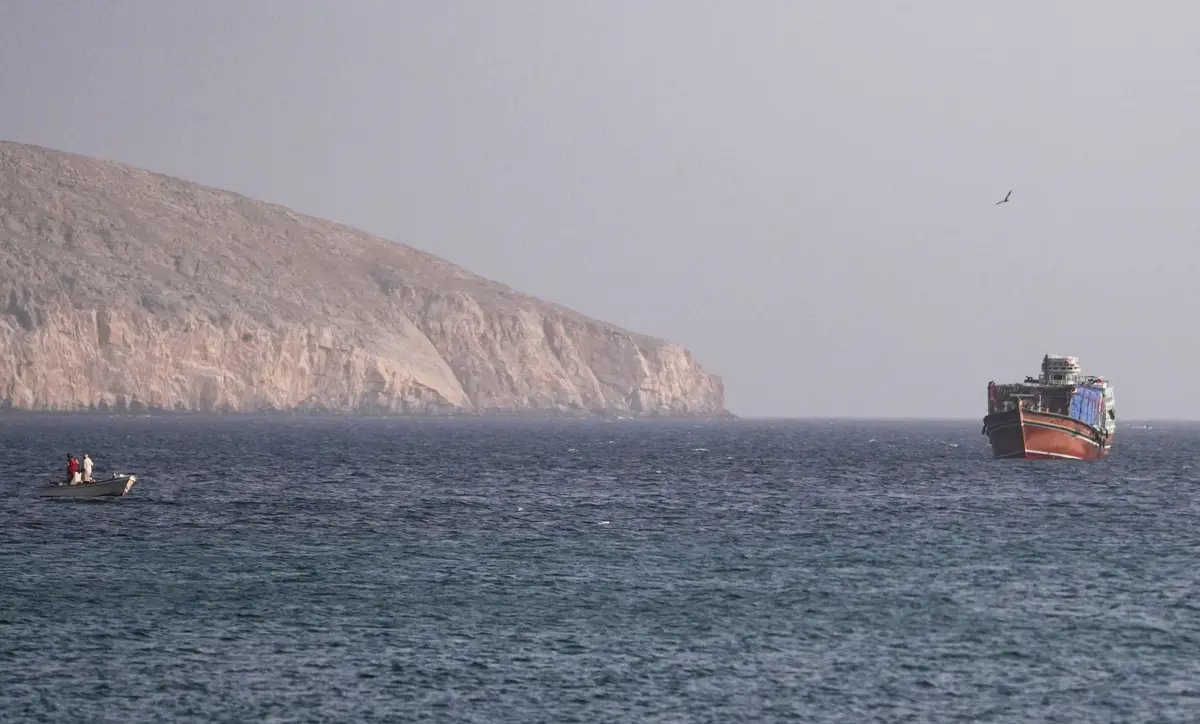
A vessel in the Strait of Hormuz, as seen from Musandam, Oman, on July 16, 2026. Reuters/Stringer/File Photo
The Iranian regime threatened on Aug 8 to keep the Strait of Hormuz closed until the United States agreed to comply with a list of six demands.
“Until America corrects its behavior, the Strait of Hormuz will not be opened,” according to a translation of a statement released by Iran’s Supreme National Security Council secretary Mohammad-Bagher Zolghadr on Saturday.
In the statement released by Iranian state media organizations, Zolghadr said that the United States must agree to end the war against Iran and its allies, lift the naval blockade and withdraw all military troops, pay damages caused by the war, lift sanctions, release the “blocked and stolen assets” of the Iranian people, and avoid threatening the regime in the future.
“The Supreme National Security Council will never back down, whether in war or in negotiation,” Zolghadr said.
The Epoch Times contacted the White House for comment.
The oil and gas industry has been plagued with uncertainty since the war started on Feb. 28, as the Iranian regime used the Strait of Hormuz as a negotiating tool and has been targeting commercial ships in the area.
The United Arab Emirates said the most recent attack happened on Saturday, when Iran hit a ship.
Ongoing talks aim to reopen the crucial waterway that was used to transport one-fifth of the world’s oil before the conflict, but no concrete agreement has been reached. U.S. President Donald Trump told reporters on Aug. 6 that a deal was in the works to reopen the strait, but did not specify when it would happen.
Iran revealed on Saturday that a deal with Oman on control of the Strait of Hormuz was close.
Traffic in the strait slowly began to increase in July amid peace talks between Tehran and Washington, but it has since dropped, according to data from the shipping-tracking company List.
Trump has insisted on free passage through the waterway, as U.S. Central Command revealed on Aug. 4 that U.S. forces have assisted more than 1,000 vessels in successfully navigating the strait over the past three months.
The president warned that gasoline prices could rise again if military activity in the Middle East increases.
The conflict with Iran surged gas prices across the world, including the United States, where the average price for a regular gallon of gas was $2.98 on Feb. 28.
As of Aug. 8, the average price for a regular gallon of gas was $4.02, according to the American Automobile Association.
“As soon as this situation ends with Iran, oil is going to go down to the floor, gasoline’s going to go down,” Trump told supporters at an Aug. 5 rally in Las Vegas.
Tom Ozimek and Reuters contributed to this report.