 By New York Post (U.S.) | Created at 2026-10-19 16:36:24 | Updated at 2026-10-19 23:38:06
7 hours ago
See more of our coverage in your search results.
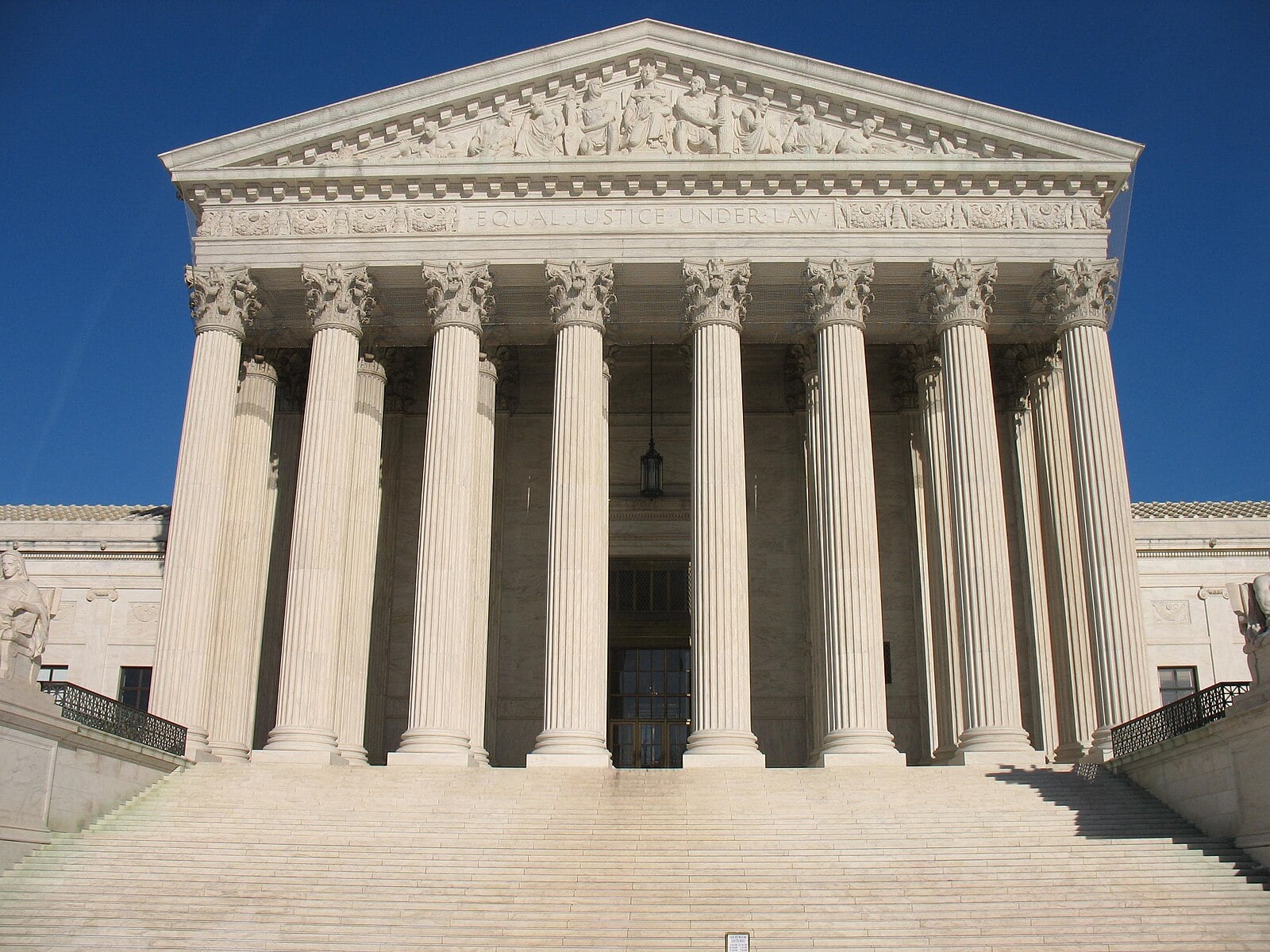
The Supreme Court agreed on Monday to consider whether Congress had the constitutional authority to impose a ban on distilling spirits in private homes more than 150 years ago.
Plaintiffs challenging the prohibition on home distilling claim the 1868 law is an antiquated relic of Reconstruction-era politics. They argue that Congress overstepped its taxation powers when it enacted the home distilling ban as part of a tax reform measure designed to curb fraud by commercial distillers.
Government attorneys counter that Congress properly restricted where spirits can be distilled to prevent producers from evading federal excise taxes. They warn that lifting the ban would violate Supreme Court precedent and erode congressional powers.
Federal law makes home distilling a crime punishable by a maximum sentence of five years in prison and a $10,000 fine.
Separate challenges to the law divided two federal circuit courts, which issued conflicting decisions in April, only 11 days apart.
A three-judge panel from the Sixth U.S. Circuit Court of Appeals upheld the federal ban in a case brought by John Ream, a brewpub owner from Newark, Ohio, who wants to distill whisky at home for his personal consumption.
A Fifth Circuit panel ruled in favor of different plaintiffs — members of the Texas-based Hobby Distillers Association — and concluded that statutory prohibitions on in-home distilling are outside the scope of Congress’ taxing power under the Constitution.
The Supreme Court agreed to review the Fifth Circuit decision, which was the Justice Department’s preference.