 By The American Tribune | Created at 2026-10-19 10:15:49 | Updated at 2026-10-19 20:31:52
10 hours ago
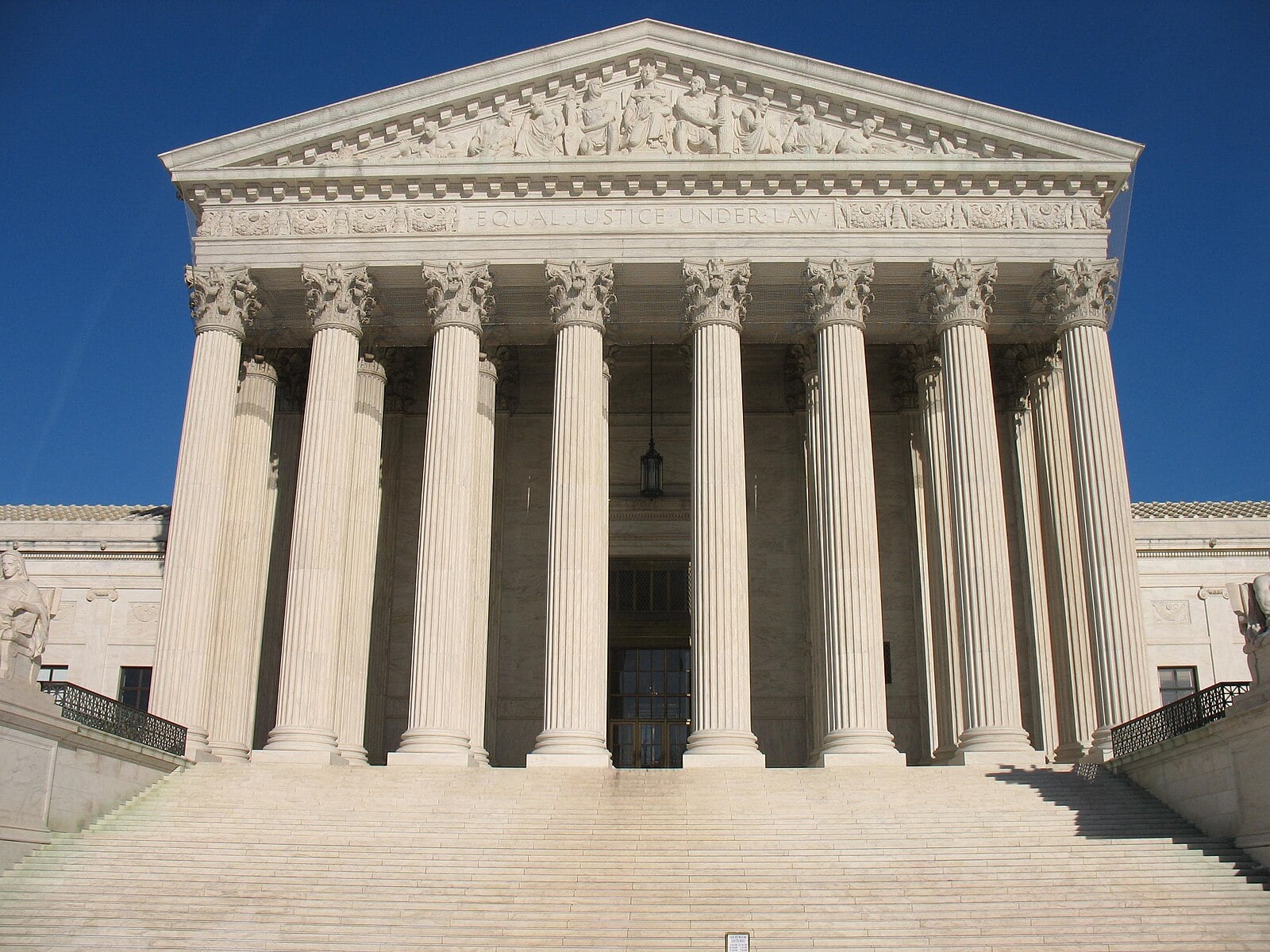
Kari Lake’s challenge to Arizona’s voting machines has suffered another setback, with the Supreme Court refusing to review financial sanctions against attorneys who brought her case. The justices rejected attorney Andrew Parker’s petition on October 13th, 2026, leaving a $122,200 legal-fee award in place. Parker’s legal team argued that punishing attorneys for pursuing difficult cases could discourage future challenges. Several federal appeals judges had also objected to the sanctions, warning against using financial penalties to discourage politically controversial litigation.
The dispute began before Arizona’s 2022 midterm elections, when Lake and fellow Republican candidate Mark Finchem challenged the state’s reliance on electronic voting equipment. Lake was running for governor, while Finchem was seeking the secretary of state’s office. Their lawsuit alleged that electronic systems were vulnerable to manipulation and sought to replace electronic tabulation with hand-counted paper ballots. They asked a federal court to block the use of computerized equipment in administering Arizona elections.
U.S. District Judge John Tuchi dismissed the lawsuit for lack of standing, and the Ninth Circuit later upheld that dismissal. Tuchi separately granted a request for sanctions against the lead attorneys in December 2022. Following additional briefing and a hearing, he set the award in July 2023. Parker, fellow attorney Kurt Olsen and their respective law firms were held jointly responsible for paying Maricopa County’s attorneys’ fees.
As The Epoch Times reported, a divided appeals court upheld the sanctions in 2025. The majority concluded that the attorneys had made “false, misleading, and unsupported factual assertions” in their filings. Its objections included language it interpreted as suggesting Arizona didn’t already use paper ballots and didn’t test its voting equipment. The lawyers disputed that interpretation of their complaint.
Judge Patrick Bumatay sided with the attorneys in his dissent. He argued that the complaint challenged the reliability of electronic ballot counting and had been read out of context. Although he acknowledged that the attorneys could have drafted their claims more precisely, he rejected the conclusion that their conduct warranted punishment. Bumatay wrote that “nothing they did was deceptive, intentionally false, or beyond the bounds of zealous advocacy.”
The disagreement continued when the Ninth Circuit declined to rehear the sanctions case in August 2025. Judge Lawrence VanDyke, joined by five other judges, dissented from that decision. He argued that the courts had misapplied the standards for sanctions and treated the complaint with excessive hostility. VanDyke acknowledged that the underlying legal theory was a long shot, but argued that courts regularly reject ambitious claims without financially penalizing the lawyers who bring them.
Parker then sought Supreme Court review, arguing that the consequences extended beyond this particular election lawsuit. His attorneys warned that sanctions could discourage lawyers from bringing creative or novel claims needed to develop the law. The petition asked the justices to intervene in the dispute over when aggressive advocacy becomes punishable conduct. The Supreme Court declined to take the case, leaving the appellate ruling against the attorneys undisturbed.
"*" indicates required fields
Maricopa County defended the sanctions as a way to deter lawsuits resting on unsupported factual claims. Thomas Liddy of the county attorney’s office said that “lawyers are required to present only factual evidence when addressing a federal judge.” The financial obligation falls on the sanctioned attorneys and their firms. Lake and Finchem weren’t ordered to pay the award.