By The Straits Times | Created at 2026-10-07 18:07:07 | Updated at 2026-10-07 19:16:02
3 hours ago
By The Straits Times | Created at 2026-10-07 18:07:07 | Updated at 2026-10-07 19:16:02
3 hours ago
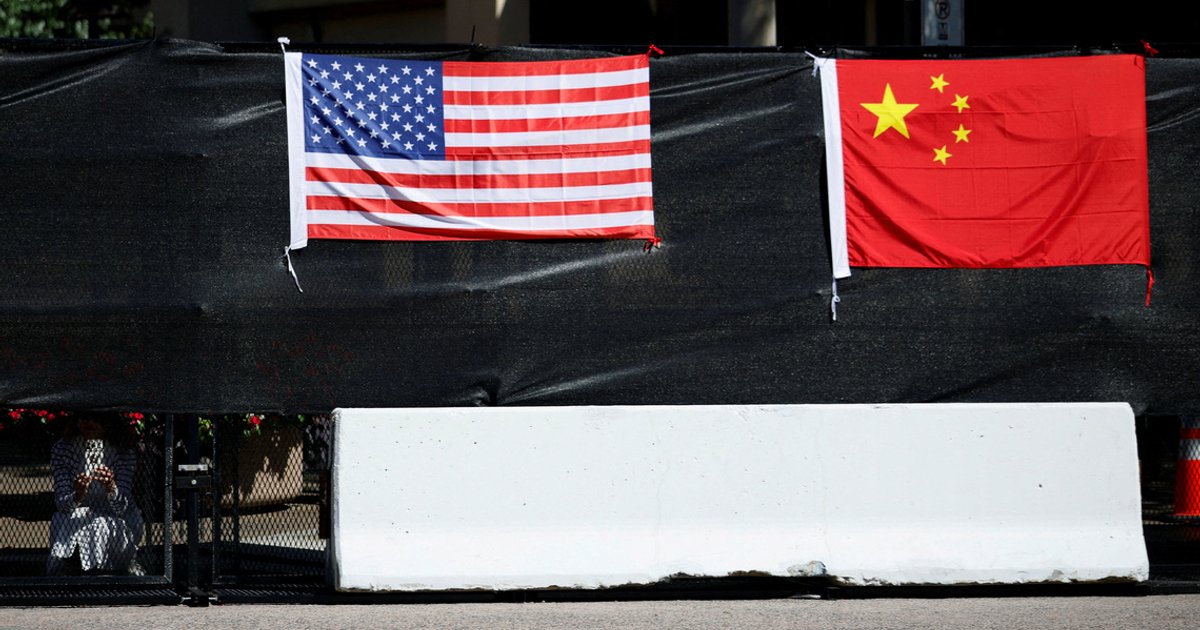
WASHINGTON - Taiwan’s de facto ambassador to Washington said on Oct 7 that ties with the United States remained robust after September’s summit between President Donald Trump and Chinese President Xi Jinping, while stressing the importance of timely delivery of US defence equipment.
Trump has held back approval of a new package of arms sales to Taipei worth US$14 billion (S$17.9 billion) in order to maintain warm relations and a fragile trade truce with Xi, having approved an US$11 billion arms package in December.
Taipei’s Washington envoy Alexander Yui told a symposium that Washington had made clear there has been no change in its position towards Taiwan and added: “I can say quite confidently that US-Taiwan relations remain robust.”
He said the most effective way to maintain peace was through strength and to “ensure that aggression can never be regarded as an easy or an inexpensive option.”
“For deterrence to be credible, our own investment must also be matched by timely delivery, effective training, and the ability to translate these investments into real deterrence capabilities,” he said.
Trump said after meeting Xi in Beijing in May that he was holding up the US$14 billion package and described it as a “very good negotiating chip.”
China, which views Taiwan as its own territory, has repeatedly called for the arms sales to end.
While the US, like most countries, has no official relations with democratically governed Taiwan, US law requires Washington to provide the island with the means to defend itself.
Yui said the recent arrival in Taiwan of the first two new F-16 fighter jets was a welcome example of the steady progress by the US and Taiwan to strengthen Taiwan’s self-defence, and added: “As we move forward, US-Taiwan cooperation will remain central to these efforts.”
Reuters reported this month that US officials believe a Chinese invasion of Taiwan before 2028 is increasingly unlikely despite Xi’s instructions for his military to be ready by 2027 to take the island by force, if needed.
Yui, who spoke as both Taiwanese Foreign Minister Lin Chia-lung and former president Tsai Ing-wen were visiting the US, said Taiwan’s preparedness was not built around any single date.
“There’s been different opinions about maybe 2027, maybe 2028, or beyond,” he said.
“But our responsibility is the same: to make Taiwan stronger, more resilient, and harder to be coerced by the adversary.” REUTERS