 By Daily Mail (U.S.) | Created at 2026-06-11 15:50:44 | Updated at 2026-06-13 08:52:53
1 day ago
By Daily Mail (U.S.) | Created at 2026-06-11 15:50:44 | Updated at 2026-06-13 08:52:53
1 day ago
Artificial intelligence has become the go-to explanation for tens of thousands of job cuts sweeping through Silicon Valley and beyond.
From software firms to social media giants, executives have repeatedly told investors and employees that AI is making companies more efficient, allowing them to operate with fewer workers and slimmer management structures.
But one prominent tech billionaire says there may be another explanation hiding behind the headlines.
Joe Lonsdale, the billionaire entrepreneur who co-founded Palantir and now runs venture capital firm 8VC, has publicly challenged the growing narrative that AI is primarily responsible for the latest wave of layoffs across the tech industry.
In a post that quickly gained traction online, Lonsdale suggested many companies are using artificial intelligence as a convenient excuse to justify workforce reductions that have little to do with the technology itself.
'Everyone who over-hired or lowered the bar too much in the 2021-2023 wave, or isn't growing as fast as budgeted, now pretends they're laying people off due to AI productivity,' Lonsdale wrote.
His criticism received support from several influential figures in the technology sector, including venture capitalist Marc Andreessen.
Others argued that blaming AI can sound better than admitting leadership mistakes or overly aggressive hiring during the pandemic-era tech boom.
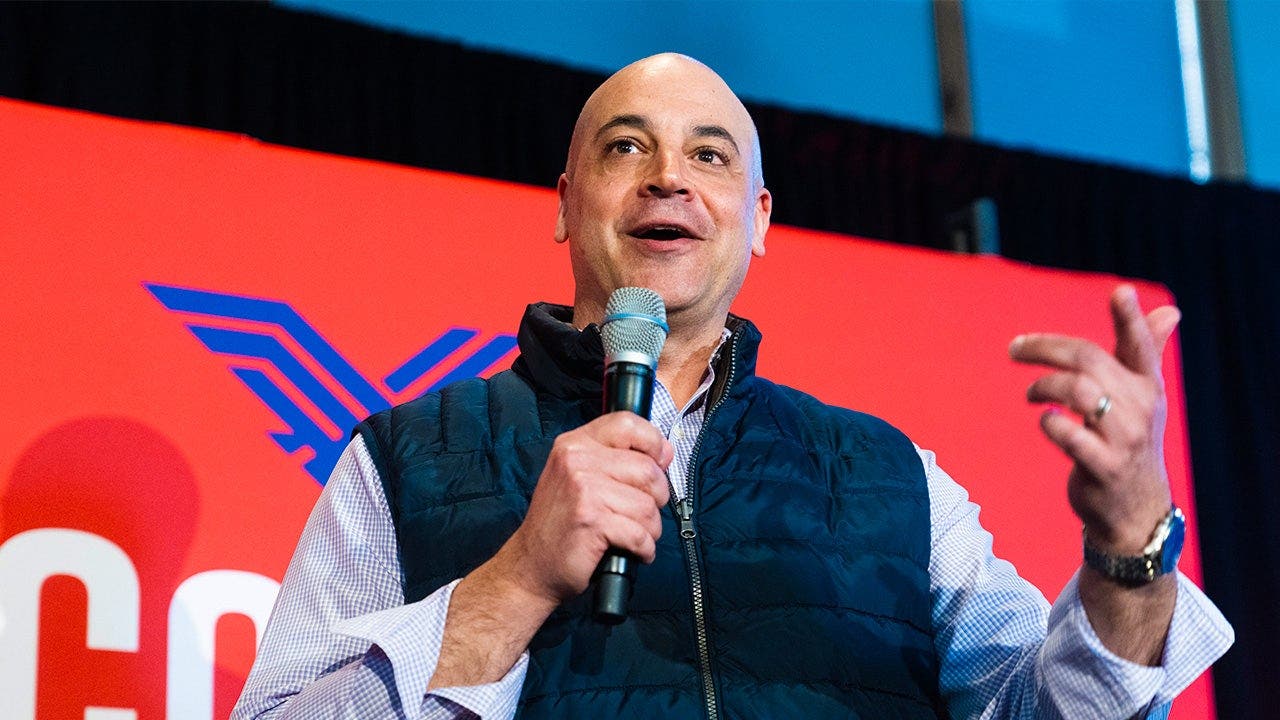
Joe Lonsdale, the billionaire entrepreneur who co-founded Palantir and now runs venture capital firm 8VC, has publicly challenged the narrative that AI is responsible for the latest wave of layoffs across the tech industry
The controversy has intensified following another major tech layoff announcement last week.
Website-building platform Wix revealed plans to cut roughly 20 percent of its global workforce, affecting around 1,000 employees, as part of what CEO Avishai Abrahami described as a transformation toward a 'faster, leaner, and flatter organization.'
In a lengthy memo to staff, Abrahami argued that artificial intelligence is fundamentally changing how software companies operate and openly acknowledged that the shift would require fewer workers and fewer management layers.
'It also means a smaller number of people,' he wrote.
Wix said the decision was driven partly by AI and partly by financial pressures linked to currency fluctuations.
The company has also begun creating what it describes as 'AI-native' roles, including positions designed around employees who use AI throughout the development process.
The announcement immediately drew attention because it echoed language increasingly used across the tech sector as companies seek to explain layoffs and restructuring efforts.
The debate has fueled growing discussion about what some industry insiders call 'AI-washing.'
From software firms to social media giants, executives have repeatedly told investors and employees that AI is making companies more efficient
Website-building platform Wix revealed plans to cut roughly 20 percent of its global workforce, affecting around 1,000 employees
The term refers to companies using artificial intelligence as a public-facing explanation for decisions that may be driven by more traditional business pressures, such as slowing growth, investor demands or previous over-hiring.
Even OpenAI CEO Sam Altman has raised concerns about the trend. Earlier this year, Altman said some businesses appeared to be blaming AI for layoffs they likely would have made anyway.
'People are blaming AI for layoffs that they would otherwise do,' Altman said.
Several high-profile companies have referenced AI while announcing workforce reductions or restructuring plans in recent months.
Snap, the parent company of Snapchat, has cited efficiency improvements and a focus on AI-powered products.
Block, led by Jack Dorsey, has reorganized around AI initiatives while cutting jobs. Atlassian has also warned that artificial intelligence is reshaping how work gets done as it reduces staffing levels and management layers.
Shopify sparked backlash after reports emerged that managers were expected to prove AI could not perform a task before requesting approval to hire additional workers.
Critics argue that while AI is undoubtedly improving productivity, it remains difficult to determine how many layoffs are genuinely being caused by automation and how many are simply cost-cutting measures dressed up as technological transformation.
Snap, the parent company of Snapchat, has cited efficiency improvements and a focus on AI-powered products
What makes Lonsdale's comments particularly notable is that he is not an AI skeptic.
The entrepreneur is one of the technology industry's most active investors in artificial intelligence and has backed numerous AI startups through his venture capital firm.
'I believe in higher productivity thanks to AI,' Lonsdale wrote in a follow-up comment. 'I also know what hundreds of companies are doing.'
His remarks come as Palantir CEO Alex Karp has also been making headlines for criticizing parts of the AI industry.
Speaking recently on CNBC, Karp argued that some AI leaders have become disconnected from how ordinary people view their products and ambitions.
'They don't understand how unlikeable they are,' Karp said.
There is little doubt that artificial intelligence is changing workplaces and boosting productivity across many industries.
The bigger question is whether AI is truly eliminating jobs at the scale some executives suggest - or whether it is becoming a convenient explanation for layoffs that stem from slower growth, investor pressure and hiring decisions made during the pandemic boom.