By The Rio Times | Created at 2026-06-08 13:36:30 | Updated at 2026-06-08 18:35:57
5 hours ago
By The Rio Times | Created at 2026-06-08 13:36:30 | Updated at 2026-06-08 18:35:57
5 hours ago
UNITED STATES · MARKETS
Key Facts
—The consensus: Most traders expect the US Federal Reserve to hold or even raise interest rates, with markets pricing high odds of a year-end hike.
—The contrarian view: Investor Cathie Wood argues the next big move is down, in both inflation and rates.
—The reasoning: She says productivity gains from AI and robotics let firms hold or cut prices even as the economy booms.
—The oil angle: She expects oil prices to fall sharply once the Iran conflict eases, pulling headline inflation lower.
—The wildcard: New Fed chair Kevin Warsh is seen as more growth-friendly, but has not signalled his hand.
—The stakes: If she is right, the path for stocks, bonds and emerging-market assets looks very different from the consensus.
While most of Wall Street braces for higher borrowing costs, a contrarian camp led by investor Cathie Wood argues the surprise of 2026 will be falling interest rates, driven by a productivity boom and a coming drop in oil that breaks inflation to the downside.
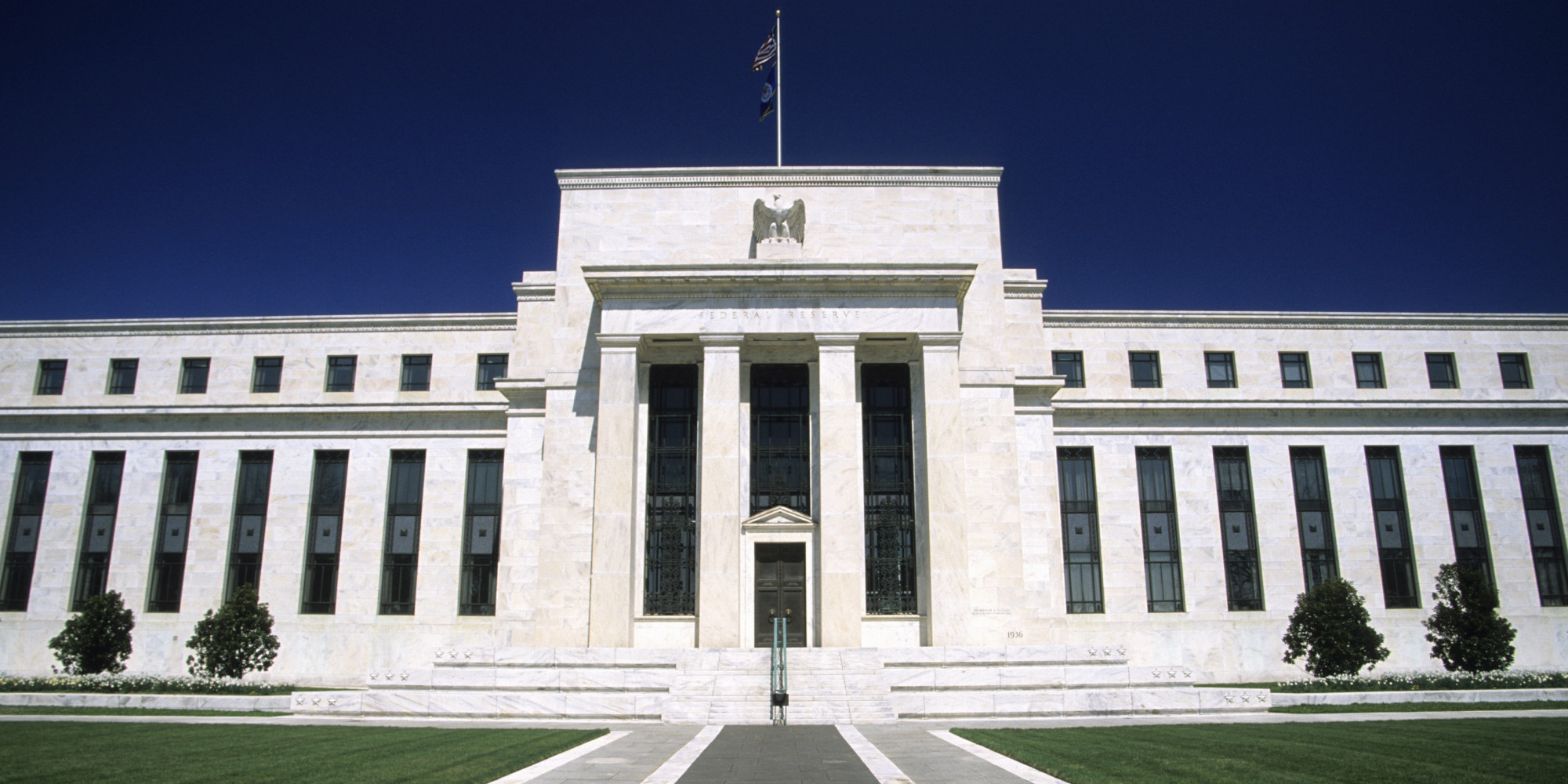 The debate over the Fed’s next move centers on whether inflation rises or breaks lower. (Photo: Internet reproduction)
A booming economy and a falling market
The puzzle is simple to state. A strong US jobs report should be good news, yet stocks have sold off, as if good growth were a threat rather than a relief.
According to Wood, the head of investment firm ARK Invest, the market is afraid the Federal Reserve will read strong growth as a reason to keep rates high or push them higher.
That fear rests on an old idea that strong employment forces prices up. Wood argues the historical record is messier, and that some of the strongest growth periods came with lower than expected inflation.
Her explanation is productivity. When companies produce more for each hour worked, they can meet demand without raising prices, breaking the supposed link between a hot economy and rising costs.
She frames the 2022 rate increases as a costly error, an attempt to fix a supply shortage with higher borrowing costs that, in her telling, only choked supply further.
The lesson she draws is that the Fed must avoid repeating it, and that another move higher now would be the wrong medicine for an economy that is healing on its own.
Why she expects falling interest rates
The case for falling interest rates begins with inflation, which Wood believes is set to decelerate quickly rather than reaccelerate as the bond market fears.
She points to private inflation gauges that have rolled back below two percent, and to a core measure she cites at little more than one percent, well under official readings.
She also notes that unit labour costs, a key driver of inflation, are running near half a percent because productivity is offsetting most of the wage gains workers receive.
If inflation falls toward or below the Fed’s target, she argues, the central bank would have ample room to cut rates without risking a fresh price spiral.
The oil price wildcard
A large part of recent inflation, in Wood’s reading, is simply the oil-price surge tied to the conflict involving Iran, rather than a broad, lasting trend.
She expects that to reverse. Once the conflict eases, she sees oil prices falling sharply, and points to rising production elsewhere as a sign the squeeze is temporary.
She draws a parallel with the mid-1980s, when a producer price war sent crude tumbling, and argues a steep decline could happen again, though she stops short of predicting the same scale.
A clue, she says, is the bond market itself. Long-term yields have stayed range-bound rather than spiking, which she reads as a sign investors do not expect the oil jump to feed lasting inflation.
Productivity, jobs and the new Fed chair
Underlying it all is a bet on technology. Wood argues that artificial intelligence and robotics are letting firms cut costs and even lower some prices, naming retailers that she says have absorbed rather than passed on increases.
She reads the jobs data as confirming the story, with solid hiring but well-behaved wage growth, the mix a central bank would want before easing policy.
Much of her thesis rests on the new Fed chair, Kevin Warsh, whom she views as more sympathetic to the idea that strong growth need not be inflationary.
The catch is that Warsh has said little so far, and Wood acknowledges the market is anxiously waiting to learn how forcefully he will steer policy in his preferred direction.
What the other side argues
The consensus view is the mirror image, and it is the one markets are paying to defend. Traders have lately priced high odds of a rate hike by year end, not a cut.
That camp points to producer prices running hot, headline inflation near four percent, and a long-term government bond yield above five percent as evidence the inflation threat is real.
In this reading, the oil shock is a new baseline rather than a passing spike, and cutting rates into it would risk letting inflation expectations come loose.
Both sides agree on one thing: stocks at record highs and bonds priced for higher-for-longer cannot both be right forever, and one of the two markets is mispricing where inflation goes next.
Why it matters for Latin America
For readers across the region, the debate is not abstract. The Fed’s path shapes the dollar, capital flows and the cost of borrowing for governments and companies from Mexico to Brazil.
If Wood is right and US rates fall, the typical result is a softer dollar and cheaper global credit, which tends to draw money toward higher-yielding emerging markets.
If the consensus is right and rates stay high or rise, the opposite pressure builds, with stronger dollar pull and tighter conditions for the region’s borrowers.
Either way, the next Fed meeting is the moment to watch, since the central bank’s read on inflation will set the tone for markets well beyond the United States.
Frequently Asked Questions
What is the contrarian case for falling interest rates?
Investor Cathie Wood argues that productivity gains and a coming drop in oil prices will break inflation lower, giving the US Federal Reserve room to cut rates rather than raise them.
Why do most investors expect the opposite?
Hot producer prices, headline inflation near four percent and an oil shock have led markets to price high odds of a year-end hike, on the view that easing now would risk reigniting inflation.
What role does the new Fed chair play?
Wood sees Kevin Warsh as more open to the idea that strong growth need not be inflationary, but he has given little public guidance, leaving the market guessing about his direction.
Why does this matter for Latin America?
The Fed’s path drives the dollar and global borrowing costs. Falling US rates would tend to weaken the dollar and favour emerging markets, while higher rates would tighten conditions across the region.