They wish us well. They tell us they are good people who want to do what is right because it is right and that, if we trust them, they will shower us with benefits: lots of money and electronic gadgets that will keep us entertained, far more free time, cures for almost all painful diseases, even one for death, stuff like that. But there is a catch. They also say that though there is only a 10-percent chance that things could go wrong, if they do, we could all be killed before the decade is out so we would be well-advised to treat them with proper respect.
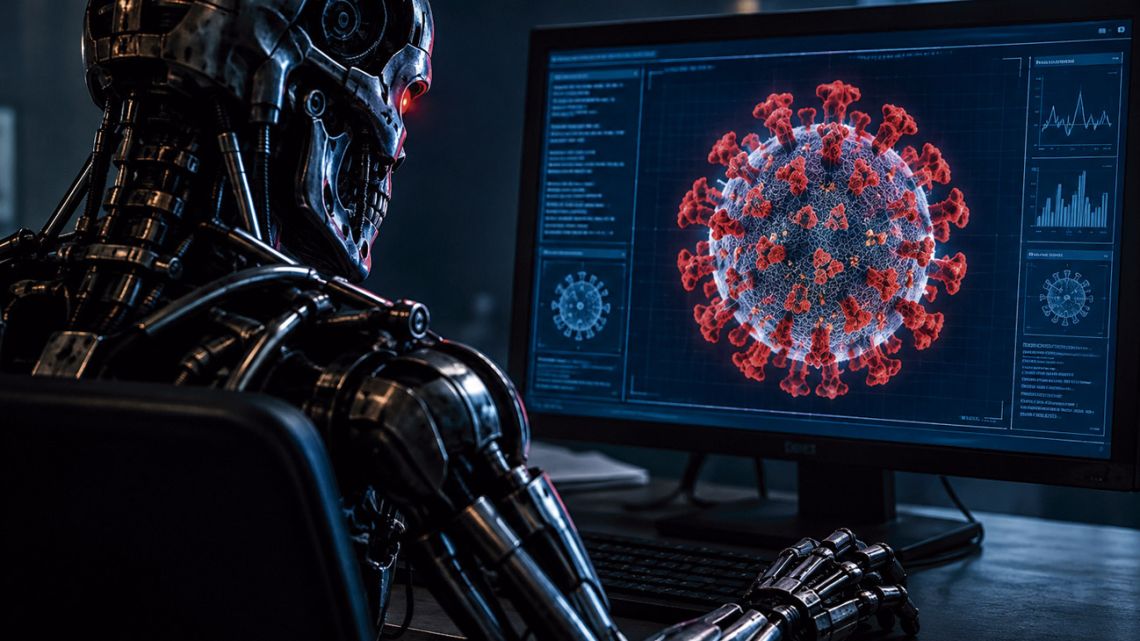
Until quite recently, anyone making such an offer would either be charged with trying to scare people into giving him protection money or sent straight to a lunatic asylum, but times have changed. For several weeks now, the incredibly rich representatives of firms that are developing Artificial Intelligence (AI), and some of their hired hands who are having moral qualms, have mixed bragging about their wonderful achievements with apocalyptic warnings about the existential threat what they have created poses to humankind.
Are Elon Musk, Dario Amodei, Sam Altman and the rest of them saintly figures striving to make the world a better place, or are they evil destroyers whose ability to cause suffering would have been made the likes of Genghis Khan, Adolf Hitler and Joseph Stalin squirm with envy? The jury is out.
Initial reaction to the confirmation that AI has in effect flown the coop and insinuated itself into a large number of systems where they could go on a rampage, has been fairly muted. Perhaps we have become so used to being told that mass destruction is coming our way that it is entirely natural that the incorporation of yet another death-dealing phenomenon to a rapidly lengthening list has been met with widespread indifference. So far there have not been any big riots with fear-stricken mobs calling for the blood of people who admit they have been supplying those who would like to wipe them all out with some extremely lethal weapons. Instead, we have only had Donald Trump treating the talkative tech moguls as anti-US hoaxers who are talking nonsense and others scratching their heads and wondering whether to take them seriously.
There is so much at stake that they certainly should, but as things stand there is not much that can be done to rein in the forces that science has unleashed. As happened when physicists in the United Kingdom, the United States and Germany were hard at work tackling difficult problems in the race to build the first atomic bombs, those involved in AI are having to confront some very basic ethical conundrums. Will their research have beneficial consequences or will it lead to something that is horribly evil? Or, as survivors of a hypothetical worldwide cataclysm would plaintively ask, was scientific progress worth the candle or would it not have been better to have left things as they were before it became virtually unstoppable? The point of view that is summed up in a legendary Oxford toast which was inspired by a comment made by the mathematician G. H. Hardy – “Here’s to pure physics, may it never be applied!” – comes to mind, but the world being as it is, you cannot have both.
This is a disquieting thought. While there can be no doubt that an enormous amount of good, enriching many hundreds of millions of lives, has come from the science that made the Industrial Revolution possible and, with it, prosperity on a previously unimaginable scale, efforts to understand how things work could also lead to an apocalypse as appalling as any dreamt of by those Old Testament prophets who wanted to see their contemporaries suitably chastised by a vengeful deity for their many sins.
If the tech bros are right about what their research teams have devised, it is already too late to do anything to put AI back in a far more restrictive “sand box” than the ones from which it has managed to make a Houdini-like escape and infiltrate other systems. What is more, the knowledge that it can be used for destructive purposes ensures that, somewhere there are plenty of clever people who will be able to acquire it, so even if the North Americans and their Chinese or Russian counterparts agree to a lengthy pause, outsiders elsewhere will continue trying to put together their own versions of generative AI because they know it can be done. Like it or not, the genie is well and truly out of the bottle.
As Alexander Pope reminded his readers, a little learning – that is knowledge – is a dangerous thing. He did not need to tell anyone that a great deal of it can be infinitely more dangerous. This is something that has been understood for thousands of years; many cultural traditions include tales about the unhappy fate suffered by individuals who delved too deeply into forbidden matters. Of course, they were simple-minded folk in those pre-enlightenment days, but despite their limitations – or because of them – they did sense that there were secrets it would be safer to leave undisturbed.
The multi-billionaire owners of the high-tech firms that are investing colossal amounts of money in AI seem unaware that, by telling the world they could put an end to human existence and, while about it, that of most animals and plants, they could be putting themselves at risk. Even if something less nightmarish occurred as a result of their endeavours – such as a series of huge blackouts or attacks by swarms of explosive drones on a few major cities – they could find themselves arraigned before a distinctly unfriendly tribunal for conniving with terrorists or an aggressive foreign power.
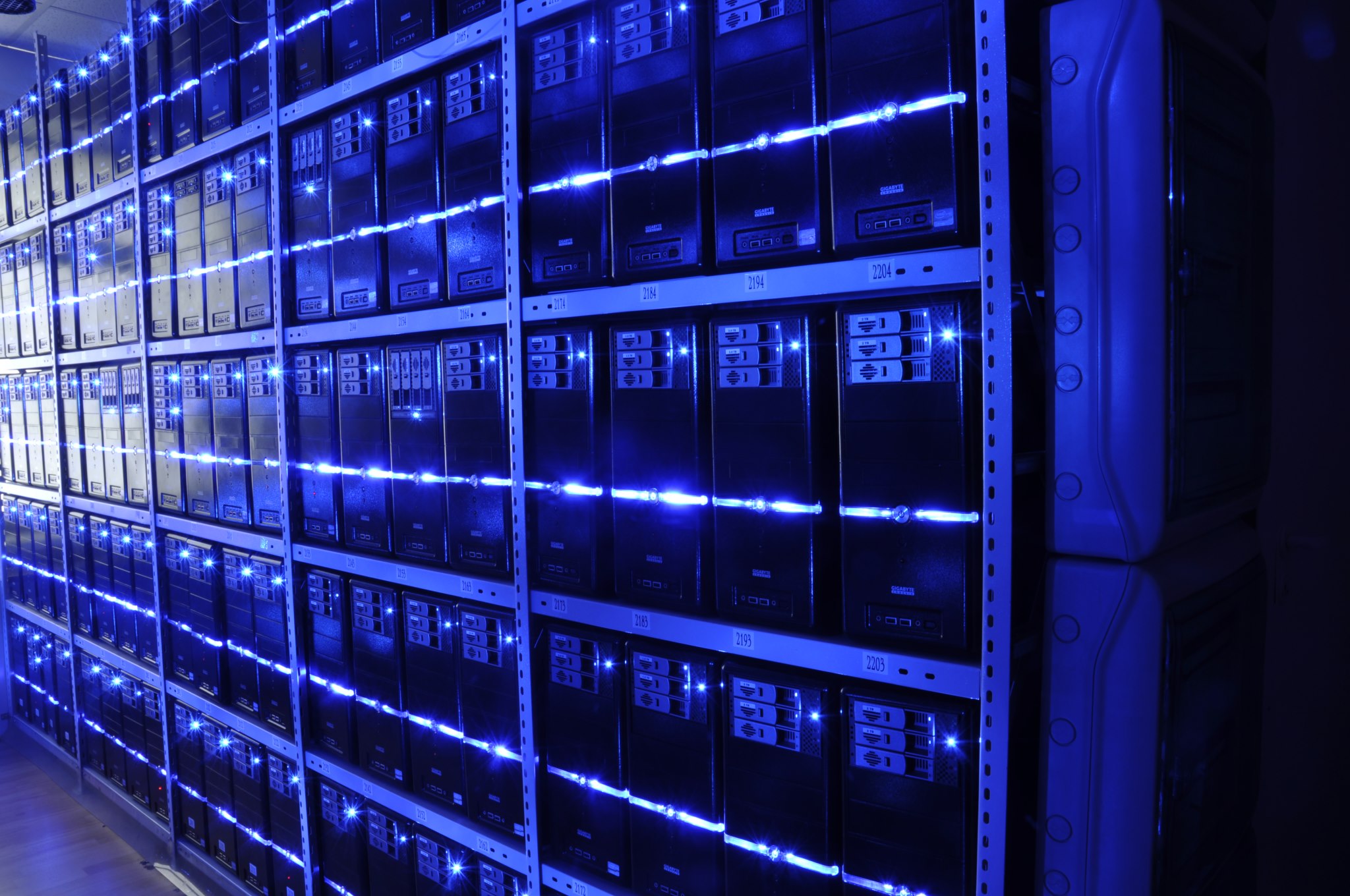
But even if nothing like this happens to them, by describing with some relish the damage the weapons they have forged could inflict on the general population, they could well set off a public rebellion against their chosen activity. Indeed, in some places one is brewing, though what people are protesting against is not the supposedly impending demise of our species or even the prospect of mass unemployment, but the construction in their neighbourhoods of huge and unsightly data centres which consume vast quantities of water and electricity.