By The Rio Times | Created at 2026-08-12 21:06:48 | Updated at 2026-08-12 23:45:09
2 hours ago
By The Rio Times | Created at 2026-08-12 21:06:48 | Updated at 2026-08-12 23:45:09
2 hours ago
Peru · Economy
Key Facts
- —The warning The International Labour Organization says El Niño in 2026-2027 could hurt jobs, incomes and working conditions across Latin America.
- —The date The ILO issued its policy brief on August 6, 2026.
- —Most exposed Informal, rural and outdoor workers are the most vulnerable.
- —The sectors Agriculture, fisheries, energy and logistics are in the firing line.
- —The scope It is a regional warning for Latin America and the Caribbean, not a single country.
A UN labor agency says the next climate cycle will land hardest on the people least able to absorb it: informal. Rural and outdoor workers.
One-stop reference
Company Intelligence
Every listed company in Latin America — financials, ownership and structure for 1,450+ companies across 26 exchanges, in one place.
El Niño is usually discussed as a weather story. The International Labour Organization wants it understood as a jobs story too.
In a new warning, the UN agency says the coming El Niño cycle could squeeze employment and incomes across Latin America. And hit the most vulnerable workers first.
What the ILO actually said
On August 6, the International Labour Organization, the ILO, published a policy brief with a pointed message. It warned that El Niño in 2026 and 2027 could damage employment, lower incomes and worsen working conditions in the region.
This is not a forecast of a single disaster. It is a warning about a slow, grinding pressure on the world of work.
What El Niño is, briefly
El Niño is a recurring warming of the Pacific Ocean that reshuffles weather worldwide. In Latin America, it can mean drought in some places and heavy rain and flooding in others.
Those swings hit crops, fisheries and infrastructure, and through them, the people who work in them.
Who is most at risk
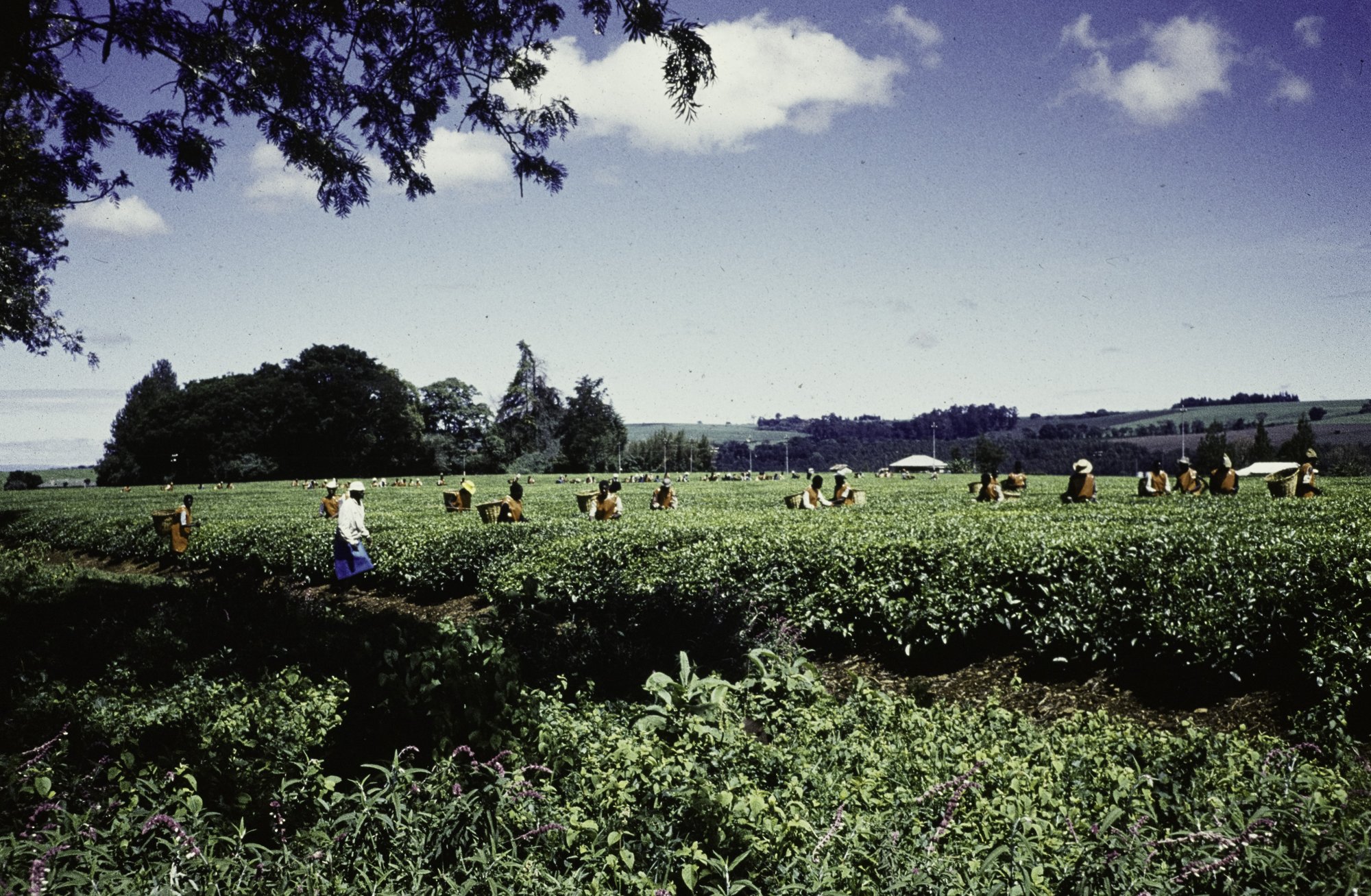
The ILO is specific about who suffers most, and it is rarely the office worker. The most exposed are informal workers, rural workers and those who labor outdoors.
These are people with the least protection: no sick pay, no shelter from the heat, no cushion when the harvest fails.
The sectors in the firing line
Some industries live and die by the weather, and they are the ones the ILO flags. Agriculture and fisheries are the most obvious, directly at the mercy of rain, drought and ocean temperatures.
Energy and logistics are on the list too, since floods and droughts disrupt power and the movement of goods.
Why informality makes it worse
Latin America has a large informal workforce, people who work without contracts or benefits. For them, a bad season is not a dip in a salary; it is income that simply vanishes.
That fragility is why a climate cycle can quickly become a social and economic shock.
A regional warning, felt locally
The ILO’s brief covers Latin America and the Caribbean as a whole, not one country. But the impact is intensely local, felt in a specific field, boat or worksite.
From the Peruvian coast to Central America, the same warning translates into different, concrete risks.
The economic ripple
When workers lose income, they spend less, and local economies feel the drag. Damaged harvests and disrupted fisheries also feed into food prices, hurting everyone.
A labor shock and a price shock can arrive together, a difficult combination for any government.
What can be done
The ILO does not just diagnose; it nudges governments to prepare. Early action is cheaper than late relief.
Measures include social protection for informal workers, heat rules for outdoor labor and support for affected sectors. The point of an early warning is to give countries time to soften the blow.
Why investors should care
Climate risk is increasingly financial risk. A weather cycle that dents agriculture ripples into exports and growth.
Companies with rural supply chains, from food to energy, have reason to watch the season closely. Resilience, once a nice-to-have, is becoming a core part of doing business in the region.
What to watch next
The near-term signal is how strong this El Niño becomes, and where its worst effects land. The policy question is whether governments act on the warning or wait for the damage.
For millions of the region’s most exposed workers, that choice will shape a hard year or two ahead.
A pattern the region knows well
Latin America has ridden these cycles before, and the memories are painful. Past El Niño years brought failed crops, damaged roads and spikes in food prices.
Each episode tends to push vulnerable families closer to the edge, and some into poverty.
The link to migration
There is a longer chain of consequences the ILO hints at. When rural livelihoods collapse, people move.
Failed harvests have historically pushed workers from the countryside to cities, or across borders. A tough climate year can quietly reshape where and how people seek work.
Preparation beats reaction
The core message is about timing. Acting before the worst hits is far cheaper than cleaning up after.
Stockpiling, insurance schemes and flexible support can blunt the impact on incomes. The warning exists precisely so governments are not caught flat-footed again.
Frequently Asked Questions
What did the ILO warn about?
That El Niño in 2026-2027 could hurt employment. Incomes and working conditions across Latin America and the Caribbean, in a brief issued August 6.
Who is most affected?
Informal, rural and outdoor workers, who have the least protection against lost income and harsh conditions.
Which sectors are exposed?
Agriculture, fisheries, energy and logistics, all sensitive to drought, flooding and shifting rainfall.
Is this a country-specific forecast?
No. It is a regional warning for Latin America and the Caribbean, though the impacts are felt locally.
What can reduce the harm?
The ILO urges early action: social protection for informal workers, heat rules for outdoor labor and support for vulnerable sectors.
Sources: International Labour Organization (ILO); ILO policy brief, August 2026.