By The Diplomat | Created at 2026-09-28 17:17:08 | Updated at 2026-09-28 20:18:40
17 hours ago
By The Diplomat | Created at 2026-09-28 17:17:08 | Updated at 2026-09-28 20:18:40
17 hours ago
The Islamabad Memorandum of Understanding (MoU) that Pakistan helped negotiate between Iran and the U.S. in June and which had largely dropped out of public discussion in recent months is back in the news again. The renewed attention on the MoU, however, does not necessarily indicate a clear pathway toward a lasting de-escalation of the conflict. Rather, it signals a new high level of endorsement since its signing in June.
The Pakistan-mediated 14-point interim understanding that Washington and Tehran endorsed was intended to halt the armed hostilities, reopen the Strait of Hormuz and create space for broader talks on nuclear and other issues. Its recent return to high-level conversations during the United Nations General Assembly (UNGA) summit in New York suggests that, despite repeated setbacks, the agreement still serves as the primary reference point for those seeking to prevent further escalation.
The latest references to the MoU emerged largely at meetings held on the sidelines of this year’s UNGA. Pakistani Prime Minister Shehbaz Sharif, speaking after discussions with Iranian President Masoud Pezeshkian, stated that the entire Pakistani leadership remained united in its resolve to expedite the peace efforts outlined in the Islamabad MoU. Pezeshkian, for his part, reaffirmed that the memorandum remained “totally acceptable” to Iran and that Tehran was ready to take it forward. These remarks, delivered after weeks of relative quiet, signaled that both sides of the original mediation still viewed the document as a viable baseline for de-escalation.
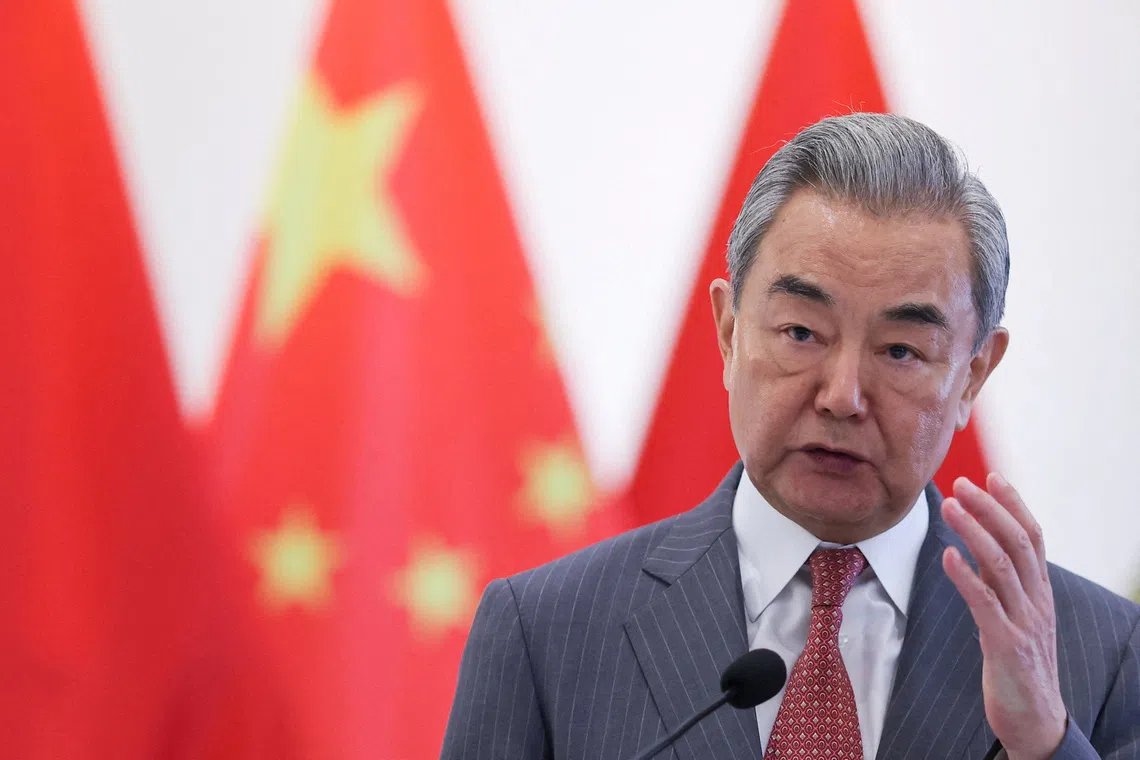
Chinese President Xi Jinping added further weight to the MoU during his state visit to the United States last week. In talks with U.S. President Donald Trump at the White House, Xi expressed support for the U.S. and Iran returning to the June deal that was meant to end the war and reopen the Strait of Hormuz. He also said that both parties should resolve differences through dialogue and negotiation and reach a comprehensive agreement that included the nuclear issue.
Amid this renewed focus on the June agreement, President Xi’s intervention carried particular significance because it came amid broader discussions on global economic stability. The Chinese leader also noted that new economic and trade arrangements between Beijing and Washington represented positive news for the economies and peoples of both countries and for the world economy at large. By linking regional de-escalation to the condition of the global economy, Xi underscored that the prolonged crisis in West Asia carries costs that go far beyond the immediate theater of conflict.
While these high-level statements are important, developments on the ground indicate that negotiations have not gathered significant momentum. For instance, Iranian officials held three hours of talks with U.S. Special Envoy Steve Witkoff on the sidelines of UNGA. This was the first such contact since U.S. Vice President J.D. Vance met an Iranian delegation in Switzerland in June to advance the memorandum. The meeting itself produced no public breakthrough, but its occurrence after months of silence suggested that channels remain open.
Iran’s Foreign Minister Abbas Araghchi injected urgency into these latest conversations by stating that if the necessary conditions were met, the Strait of Hormuz could be reopened and normal maritime passage restored within seven days. He emphasized that the actions required of the U.S. are already contained in the MoU and that the choice now resides with Washington.
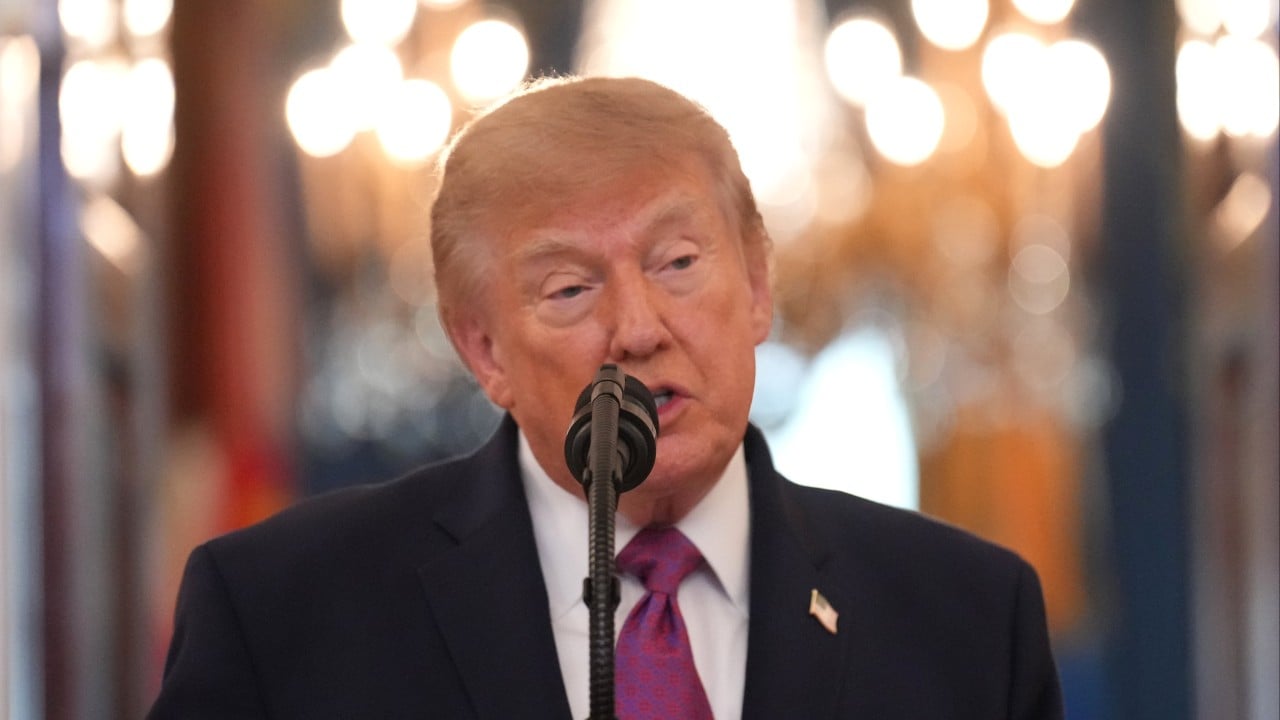
Meanwhile, Trump has rejected the Iranian proposal for the reopening of the Strait of Hormuz, with some reports indicating that the U.S. is planning another round of attacks on Iran after the upcoming midterm elections. Meanwhile, Iranian officials appear to have ignored Trump’s rhetoric, saying that they are waiting for an official response from mediators on the proposals under discussion within the Islamabad framework.
For Pakistan, the renewed focus on the MoU offers another opportunity to press for de-escalation between Iran and the U.S., especially since the agreement now has Xi’s explicit backing.
However, the stakes for Islamabad have grown considerably since June. Pakistan is no longer focused solely on salvaging the original understanding. The country’s policymakers are simultaneously attempting to help ease tensions between Yemen’s Houthis and Saudi Arabia as well as Iran and the U.S.
Last week, the military leadership from Saudi Arabia, Türkiye, and Pakistan convened under the joint Makkah defense pact to discuss urgent steps in support of the Saudis amid Houthi attacks. The three countries resolved to accelerate military cooperation, with Islamabad and Riyadh separately committing to joint efforts to confront threats to Saudi territory. This expanded mediation portfolio has arguably stretched Pakistan’s diplomatic capacity at a time when the original Iran-U.S. conflict has only broadened in scope.
Moreover, there are additional risks which can complicate the picture. For instance, Trump has reportedly hinted at the possibility of renewed military action against Iran even as de-escalation talks continue. Tehran has responded with warnings of new military surprises should it come under attack. Iranian officials have also cautioned that any future confrontation could extend the conflict into the Arabian Sea.
It is pertinent to mention that Pakistan possesses no enforcement mechanism within the Islamabad MoU. The country’s influence rests solely on the goodwill of the primary parties and the diplomatic capital it has accumulated through mediation efforts. As the war continues to stretch and new fronts are opening, there is a growing risk that the original understanding may be overtaken by events, which could put additional pressure on Islamabad’s carefully cultivated role as a regional mediator.
The Islamabad MoU has arguably returned to the diplomatic conversations not because its implementation is imminent, but because it remains the only structured framework both sides have formally accepted as part of a de-escalation mechanism.
Whether that framework can still function as a roadmap depends less on statements delivered in New York or Washington and more on the willingness of Iran and the U.S. to translate words into actions on the ground.
For Pakistan, the coming days will test whether its mediation capacity can keep pace with a conflict that continues to expand in both geography and complexity.