 By The European Times | Created at 2026-08-10 06:56:56 | Updated at 2026-08-10 08:38:36
2 hours ago
By The European Times | Created at 2026-08-10 06:56:56 | Updated at 2026-08-10 08:38:36
2 hours ago
Titan, Saturn’s moon, is the only space object that can be visited without a spacesuit, although a person still wouldn’t survive there due to the extreme cold and toxic air.
As spacedaily.com explains, it all has to do with Titan’s unique atmosphere, as well as a misconception about what a spacesuit is primarily for. Most people think of a spacesuit as a source of air, but its primary function is to maintain pressure in the body. A spacesuit is essentially a sealed balloon that holds your body together. Without it, in the vacuum of space or the thin air, gases would expand rapidly and water in exposed tissues would begin to evaporate.
However, Titan is an unusual exception. On Saturn’s largest moon, you wouldn’t need a spacesuit at all.
What is Titan’s atmosphere like?
On Titan’s surface, atmospheric pressure is about 60% higher than on Earth. This eliminates the need for a spacesuit—your body won’t have to fight a vacuum.
Meanwhile, Titan’s surface gravity is only about 14% of Earth’s—as some scientists like to point out, a person could attach wings and flap them to fly through the air.
However, that’s where Titan’s hospitality ends. The first is the cold. Titan’s surface temperature is about minus 179 degrees Celsius.
“It’s so cold that water ice acts like rock, forming the moon’s core. Antarctica has never been this cold,” scientists say.
The air itself is also deadly. Titan’s atmosphere is mostly nitrogen, with most of the rest being methane, leaving virtually no oxygen for breathing.
“While you won’t need a spacesuit on Titan, you’ll still need to bring along some good cold protection and air to breathe,” scientists quoted by the publication say.
Meanwhile, a study has revealed how long periods in space affect the human brain – in this case, it loses its ability to properly control hand strength, which is dangerous for space missions. A study has found that in zero gravity, the brain confuses signals from muscles, which causes astronauts to often make mistakes when trying to grab or hold something. This is reported by the Daily Galaxy.
A research team led by Professor Philippe Lefebvre from the Catholic University of Louvain has found that astronauts aboard the International Space Station (ISS) tend to grip objects much tighter than necessary. This is because the brain, accustomed to Earth conditions, continues to anticipate the effects of gravity, even when they are barely felt.
According to Professor Lefebvre, this adaptation is sudden and long-lasting. The biggest challenges arise upon return to Earth: astronauts need months to regain adequate grip strength as their brains “unlearn” how to accurately assess the weight and inertia of objects.
“If you are moving at high speed with a large object on the ISS and you lose grip, the object will continue to move. The collision can be dramatic from a safety perspective,” Lefebvre explains.
He adds that even a slight slippage of an instrument or delicate part can lead to damage to expensive equipment or disruption of scientific experiments.
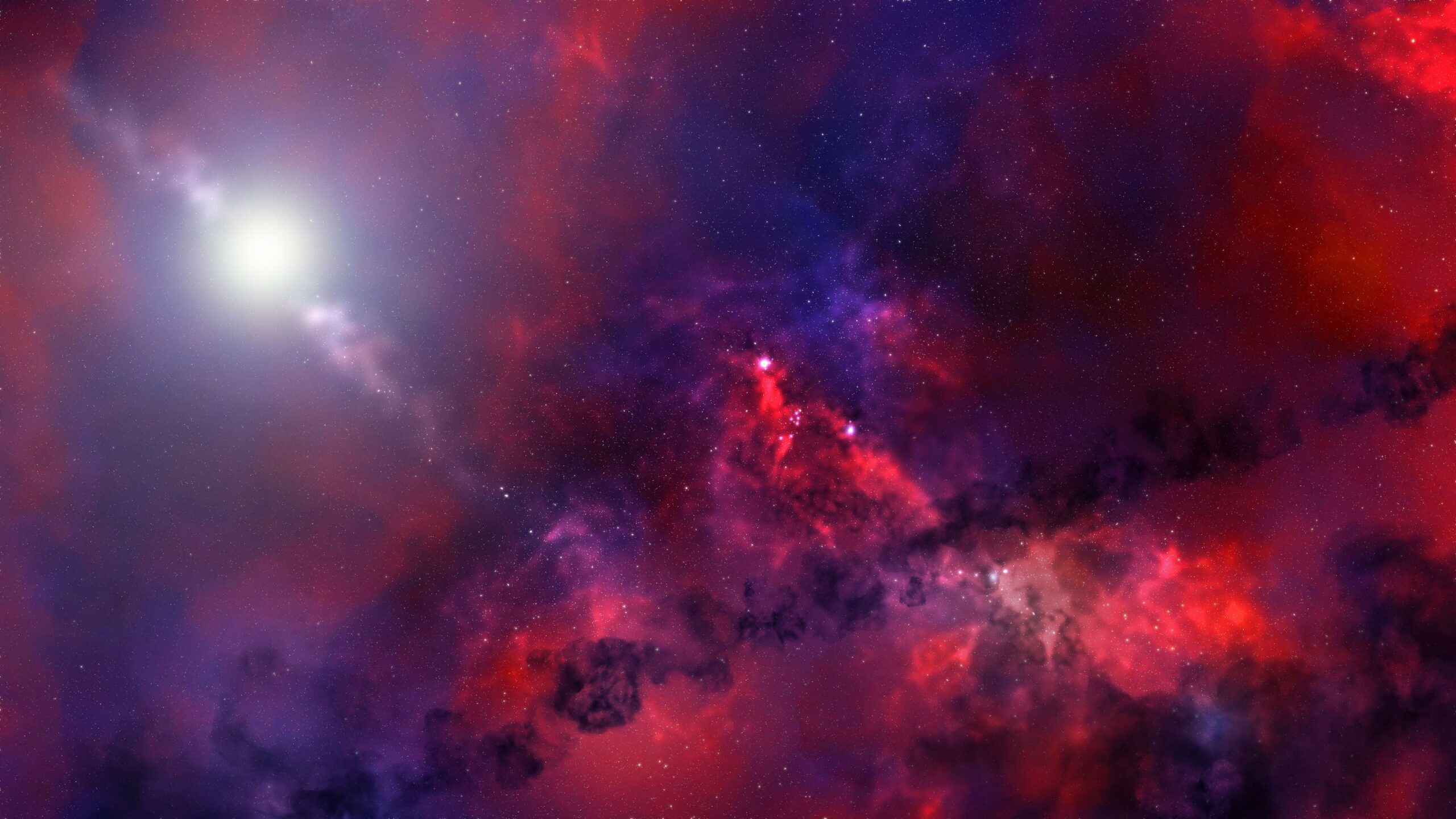
Illustrative photo: pexels-incrediblerafa-4737522