By The Free Press | Created at 2026-07-18 17:22:22 | Updated at 2026-08-03 08:47:44
2 weeks ago
By The Free Press | Created at 2026-07-18 17:22:22 | Updated at 2026-08-03 08:47:44
2 weeks ago
Produced by ElevenLabs using AI narration
It’s Friday, July 17. This is The Front Page, your daily window into the world of The Free Press—and our take on the world at large. Today: Pete Hegseth’s plan for high-testosterone troops. Don’t believe what you read about Chinese electrical vehicles. Batya Ungar-Sargon on J.D. Vance’s strange tirade against Israel. The hunt for Odysseus’s hometown. And much more.
But first: Was President Donald Trump’s elections speech a “bombshell,” or bluster?
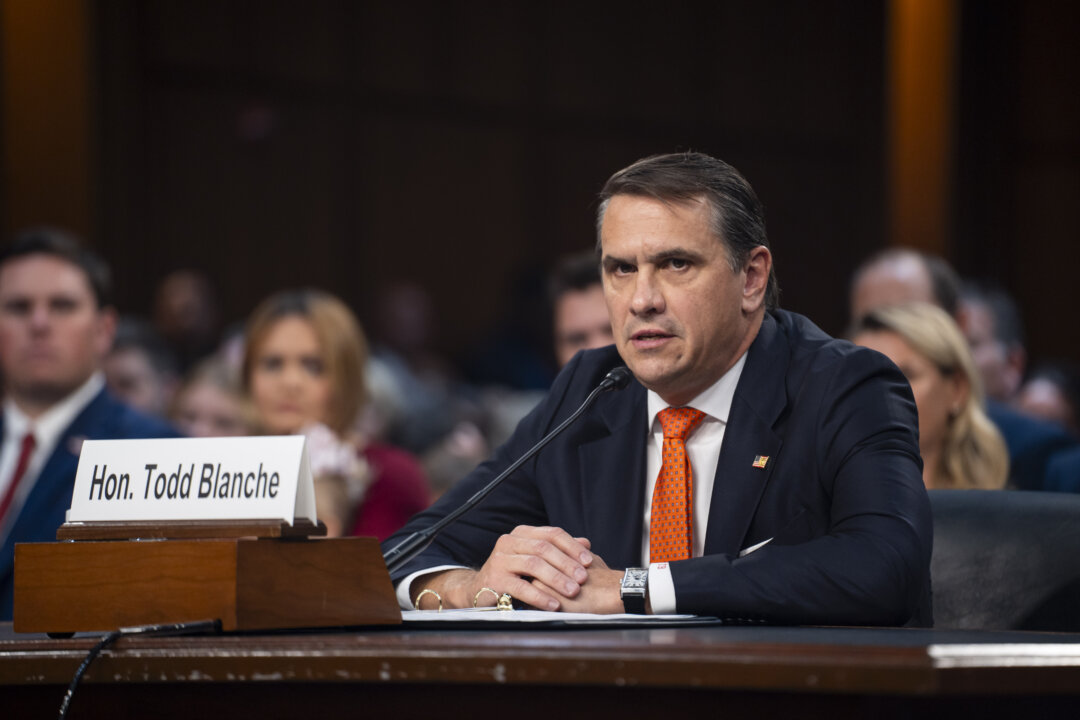
Before Trump’s prime-time speech Thursday night, the White House promised a bombshell revelation about election interference. Did the president deliver? Absolutely—if you take him at his word.
Trump described a vast, well-funded conspiracy by the Chinese government to sway the 2020 presidential election in the U.S., and he called the related data breach a “nightmare.” That includes theft of voter information, attempts to manipulate journalists, and even the manufacture of fake ballots.
And the president’s boldest claim is that Joe Biden’s administration saw some of the evidence for this, and chose to suppress it.
So should Americans be alarmed? Perhaps not just yet. As Eli Lake explains, the burden of proof lies with President Trump. And he’s made himself hard to trust on this particular issue.
Instead of brushing off Trump’s claims like much of the press did, Eli examines them in detail. Where exactly did the new revelations come from, and is there any reason to trust the intelligence behind them?
—Mene Ukueberuwa

Rafaela Siewert • Health and Self-Improvement

Defense Secretary Pete Hegseth has long bemoaned the lack of masculine verve in the U.S. armed forces, but as of this week, he’s doing something about it—or trying to. In a video announcement, he explained a plan to screen service members for the hormone and assist them in receiving testosterone replacement therapy. Yet some doctors have doubts about the proposal. So Rafaela Siewert set out to sort the facts from fiction, and find out if the troops really need a testosterone boost.
Jack Baruth • Tech and Business
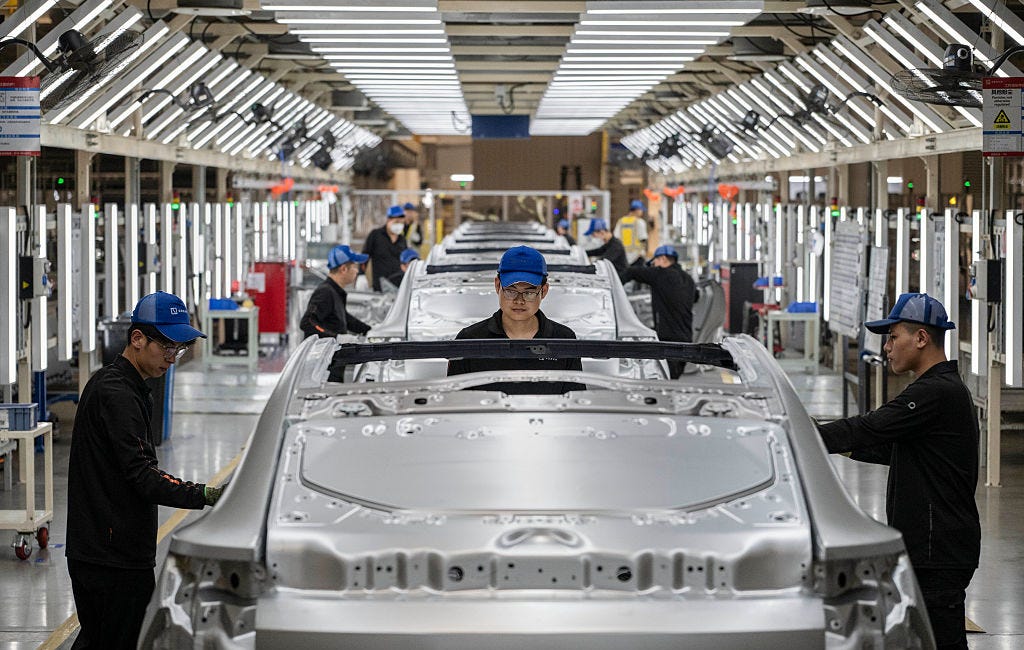
American business writers are obsessed—almost suspiciously obsessed—with Chinese electric vehicles. So it’s worth examining the motivations behind the hype, writes Jack Baruth. Today, he reviews the curious phenomenon—from one almost-deadly test drive in a Chinese EV, to the influencers hawking the cars to an American audience.
Batya Ungar-Sargon • U.S. Politics
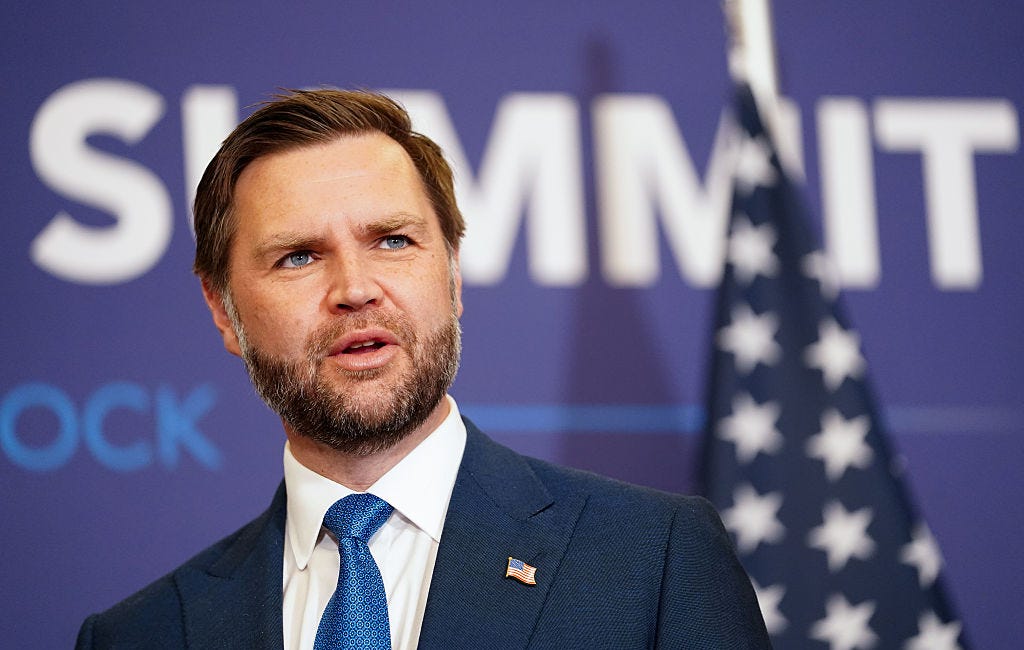
In an interview with Joe Rogan this week, Vice President J.D. Vance accused Israel of “manipulating” American public opinion in order to prolong the Iran war. Today, Batya Ungar-Sargon argues that Vance’s ire is less about foreign policy and much more about his own 2028 ambitions: “Vance seems to be seeking the approval of a very online, conspiratorial, and rather seedy faction of the far right, betting that its influence will rise and help power him to the presidency.” Will his pandering pay off?
Aaron MacLean • School of War
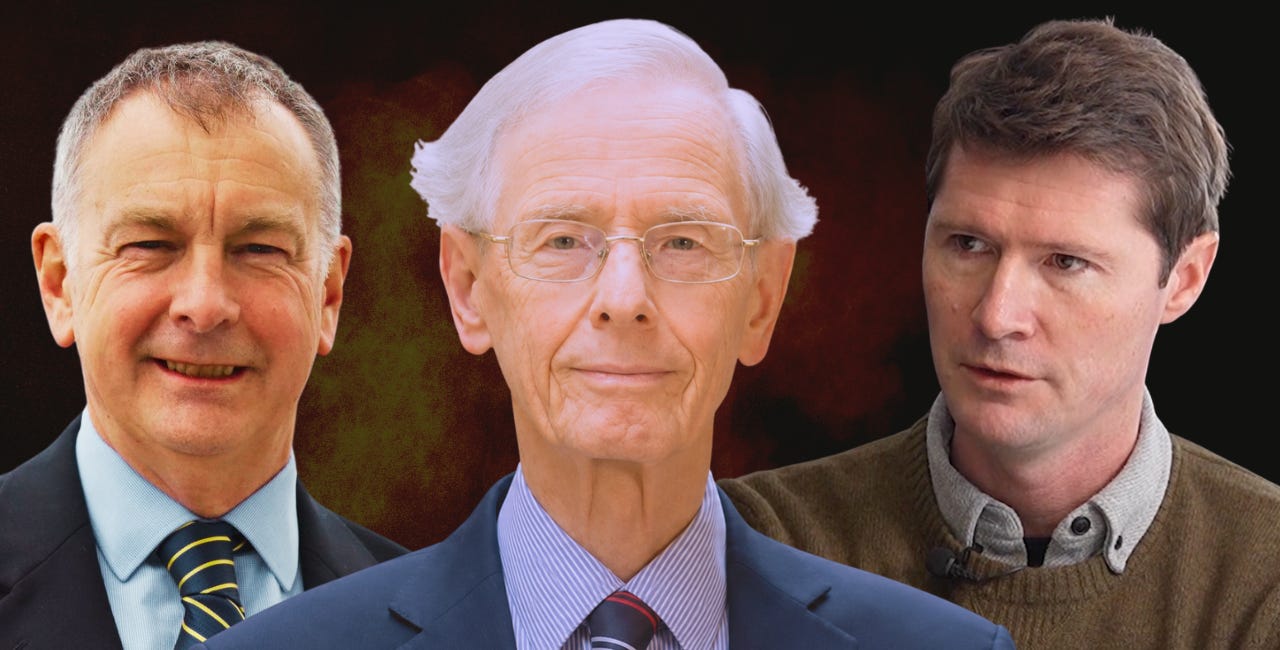
Today, Christopher Nolan’s “The Odyssey” hits theaters across America. On the latest “School of War” podcast, two professors join Aaron MacLean to discuss their decades-long search for the real-life Ithaca, the home of Odysseus, and they explain why the island we’ve called Ithaca for centuries may actually be the wrong place.
Daniel Mendelsohn • Culture and Ideas
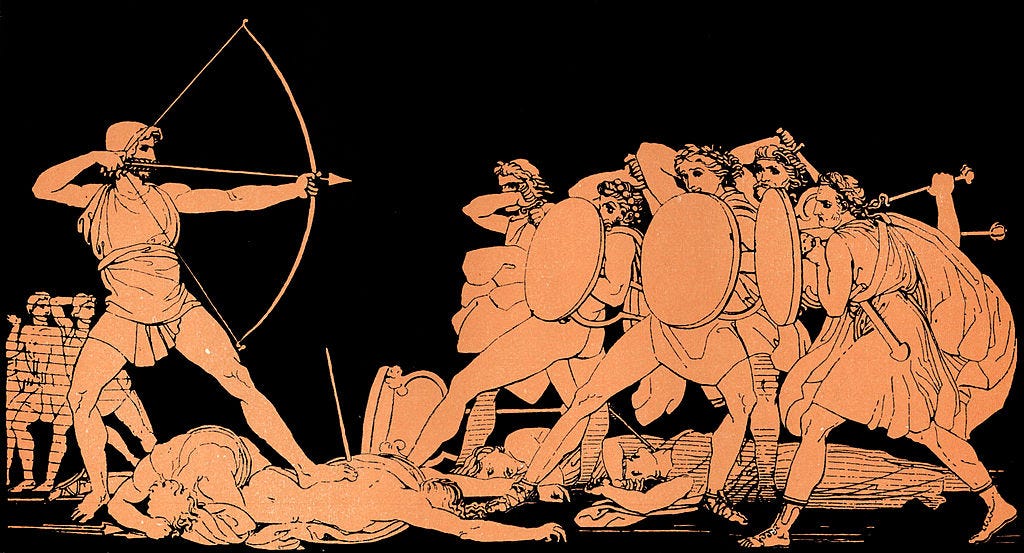
It’s no surprise that we’re still asking these questions millennia after the age of Homer. As the author and translator Daniel Mendelsohn wrote last week, “The Odyssey” will never cease to animate the Western imagination.
EDITORS’ PICKS
Free Press historian Niall Ferguson has admitted defeat. In the not-so-distant past, the best response to antisemitism was the truth—but today, the weapon of truth has been dulled to the point of uselessness, thanks to a combination of social media algorithms, artificial intelligence-generated content, and irony-poisoned Generation Z humor. In an essay co-written with AI researcher John-Clark Levin, Niall traces how America’s technological and cultural revolutions built our post-truth era, and explores “a remedy, if there is one.”
As much as people of all political stripes claim to value the truth, sometimes it’s no match for a good story. In the latest example, California congressman Ro Khanna this week turned a brief confrontation in the West Bank into a national controversy. Khanna lied about being “detained” by “violent” Israelis, argues Haviv Rettig Gur. But the real story runs deeper than lies, or even exaggerations. Underneath Khanna’s theatrics lies a dark revelation about the place Israel occupies in the political imagination of the American left.
Last weekend, we lost South Carolina senator Lindsey Graham, who is remembered for his sense of humor, bipartisan friendships, and unwavering belief in American power as a force for good in the world. Catch up on our coverage of Graham’s life and legacy, as well as the rumors that dogged him throughout his life and after death.
In other news, a cruise ship called the Scarlet Lady carrying 2,000 homosexual passengers and Patti LuPone was barred from docking in two Islamic countries. Much of the press framed the refusal as part of a “broader global trend,” implying that President Trump’s right-wing populism has birthed widespread hostility toward gays all over the world.
But there’s something missing from the story—the obvious cause of the ship’s rejection. You can read more about the big gay scandal at sea in Douglas Murray’s latest column.
Each year, a growing number of intensive care unit patients receive at least part of their care via telehealth—from physicians who never set foot inside the hospital. That was the case for one 26-year-old Connecticut man, Conor Hylton, whose family is now suing the hospital that treated him, alleging that Hylton’s death resulted from negligent care.
As Tanya Lukyanova investigated Hylton’s tragic death, she wanted to know: Is telehealth offering a higher standard of care to more people, or is it just a cost-saving measure that, when implemented incorrectly, can actually increase risk to patients?