By The Rio Times | Created at 2026-06-22 19:11:32 | Updated at 2026-06-22 21:29:36
2 hours ago
By The Rio Times | Created at 2026-06-22 19:11:32 | Updated at 2026-06-22 21:29:36
2 hours ago
Music · Lusophone World
Key Facts
—The bridge. Music distributors are wiring Brazil, Portugal and Portuguese-speaking Africa into a single market.
—The move. ONErpm, the firm that conquered Brazil’s streaming market, is opening an office in Luanda, Angola’s capital.
—The spotlight. Apple Music featured Luanda in its 2026 Africa Month programming, naming the city a centre of the continent’s sound.
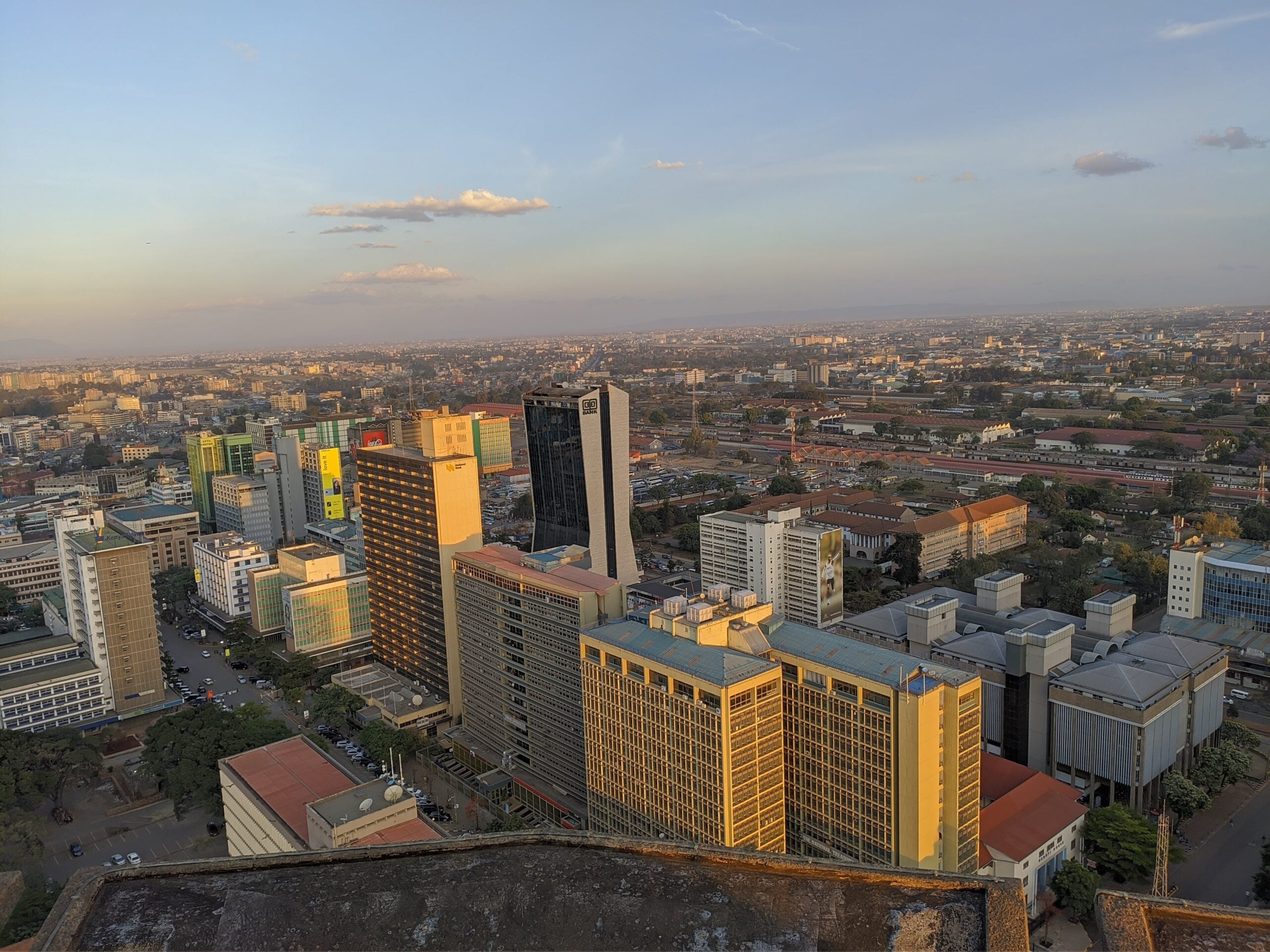
—The scale. Luanda is the largest Portuguese-speaking city outside Brazil, with a metro population near nine million.
—The history. Angolan semba helped shape Brazilian samba, so the cultural traffic runs both ways.
—The stakes. A shared-language audience of roughly three hundred million is being opened up while the rest of the industry looks elsewhere.
The Brazil Angola music link is quietly becoming a business, as record distributors and streaming platforms start treating the Portuguese-speaking world as one connected market rather than scattered pieces.
When the world talks about African music breaking out, it usually means Nigeria or South Africa. The Portuguese-speaking corner of the continent rarely gets a mention.
Yet that corner is being quietly wired into a much larger network, with Brazil at the other end of the cable. The connection is language, and the business opportunity is real.
How the Brazil Angola music bridge is forming
The clearest sign is a company called ONErpm. It is a music distributor that built its business by dominating Brazil’s streaming market before expanding around the world.
The firm is now opening a dedicated office in Luanda, the capital of Angola. Its team there works hand in hand with its marketing staff in Brazil, treating the two markets as part of one circuit.
The logic is simple. A song that works in Brazil can travel to Angola without translation, and an Angolan hit can do the same in reverse, because both countries share a language.
That shared tongue is the whole point. Roughly three hundred million people speak Portuguese, split mostly between Brazil and Africa, and a single catalogue can reach all of them at once.
The distributor has been blunt about the strategy. It describes the link between Brazil, Portugal and Portuguese-speaking Africa as a natural bridge, and says the next big movement in the region’s music will come from exactly that connection.
It is also putting money behind the words. The company has built local teams, signed Angolan artists, and helped some of them rack up tens of millions of views, the kind of groundwork that takes years to pay off.
Why the platforms are paying attention
The big streaming services are circling too. In May, Apple Music spotlighted Luanda in its Africa Month programming, naming the city a key centre of the continent’s sound.
The platform built a playlist around the city and pointed to a fact most listeners never learn. Angolan semba, the older style behind much of the country’s music, helped shape Brazilian samba generations ago.
That is the part outsiders miss. The traffic is not one way, with Brazil simply selling into Africa, but a genuine exchange with deep historical roots.
Angola has also exported its own genres widely. Kizomba, a slow romantic style, and kuduro, a fast electronic one, have spread from Lisbon to clubs across Europe and the Americas.
Why the Brazil Angola music link matters for investors
For anyone watching the media business, the appeal is the gap between attention and size. Luanda is the largest Portuguese-speaking city outside Brazil, with a metropolitan population approaching nine million.
Despite that scale, lusophone Africa sits almost entirely outside the global music conversation. That mismatch is exactly what a first mover looks for, a large audience that rivals have not yet crowded into.
Brazil is the natural anchor. It is the world’s largest Portuguese-speaking nation and one of the fastest-growing music markets anywhere, which gives any company a ready-made base from which to push into Africa.
There are real hurdles. Payment systems, piracy and patchy internet access still make Africa a harder market to earn money in than a headcount alone would suggest.
Still, the direction is clear. As smartphones spread and streaming subscriptions climb across the region, the value of owning the pipes between Brazil and lusophone Africa only grows.
The forward signal for investors is whether the big labels and platforms follow the early movers in. If they do, a market built on a shared language could become one of the music industry’s next quiet success stories.
Frequently Asked Questions
What is the Brazil Angola music connection?
It is a growing music-business link built on a shared language, Portuguese. Distributors and streaming platforms are starting to treat Brazil and Portuguese-speaking Africa, including Angola, as one connected market rather than separate territories.
Why does Luanda matter for music?
Luanda is the largest Portuguese-speaking city outside Brazil, with a metro population near nine million. It is a historic centre of Angolan music, and in 2026 Apple Music spotlighted the city in its Africa Month programming.
Why is this interesting for investors?
A shared-language audience of around three hundred million is being opened up while most of the industry focuses on Nigeria and South Africa. Early movers can reach a large market with little competition, though payments, piracy and internet access remain challenges.
The Rio Times · Power Map
See who really holds power in Latin America
Click to open the Power Map →