By The Free Press | Created at 2026-09-18 15:11:59 | Updated at 2026-09-18 16:07:22
1 hour ago
By The Free Press | Created at 2026-09-18 15:11:59 | Updated at 2026-09-18 16:07:22
1 hour ago
It’s Friday, September 18. This is The Front Page, your daily window into the world of The Free Press—and our take on the world at large. Today: Is your pastor using ChatGPT? Hasan Piker says America is worse than al-Qaeda. Will these New York nuns ever get their money back? And much more.
But first: What’s gone wrong with the right?
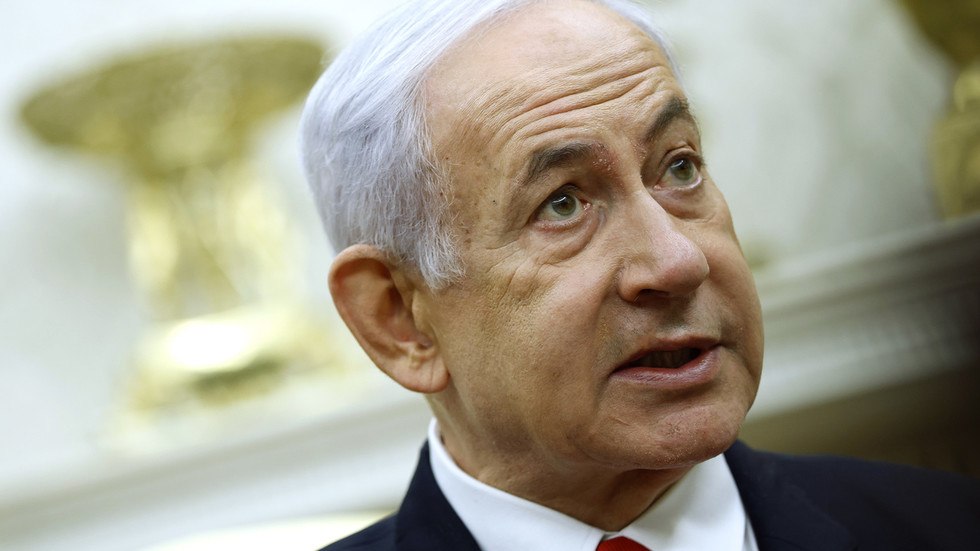
One of the more disturbing trends in American political life is the way in which once fringe ideas are forcing their way into respectable conservative institutions. Erick Erickson, a rock-ribbed conservative and influential writer and radio host, is one of the people raising the alarm. He believes a network of wealthy donors, activists, intellectuals, and online personalities are pushing a radical vision for the American right, shaped by racial grievance, authoritarianism, and a rejection of liberal democracy. At the center of the movement is Charles Haywood, whose donations and writings have gained him influence within conservative organizations.
In his piece for us today, Erick traces those connections through think tanks, churches, and advocacy groups, and he tracks the spread of a new philosophy: No enemies to the right. Even Vice President J.D. Vance is implicated, he says.
This is a story about what happens when a movement stops policing its own boundaries, and instead treats its own longstanding principles as a problem to eradicate. If you want to understand what is happening on the right today, it’s a must-read.
—The Editors

Madeleine Long • New York

The Sisters of the Congregation of Divine Providence ran a boardinghouse for young women in New York City seeking safe, affordable living accommodations for over 123 years. Covid, and a slew of hurdles leading up to the pandemic, forced the group of nuns to sell the property in 2024. Two years later, the sisters have yet to receive the $19.3 million they are owed, thanks to New York Attorney General Letitia James. Now they’re taking legal action, asking the state’s supreme court to release the funds. Madeleine Long tells the story of why New York’s top cop is holding money hostage from the nuns.
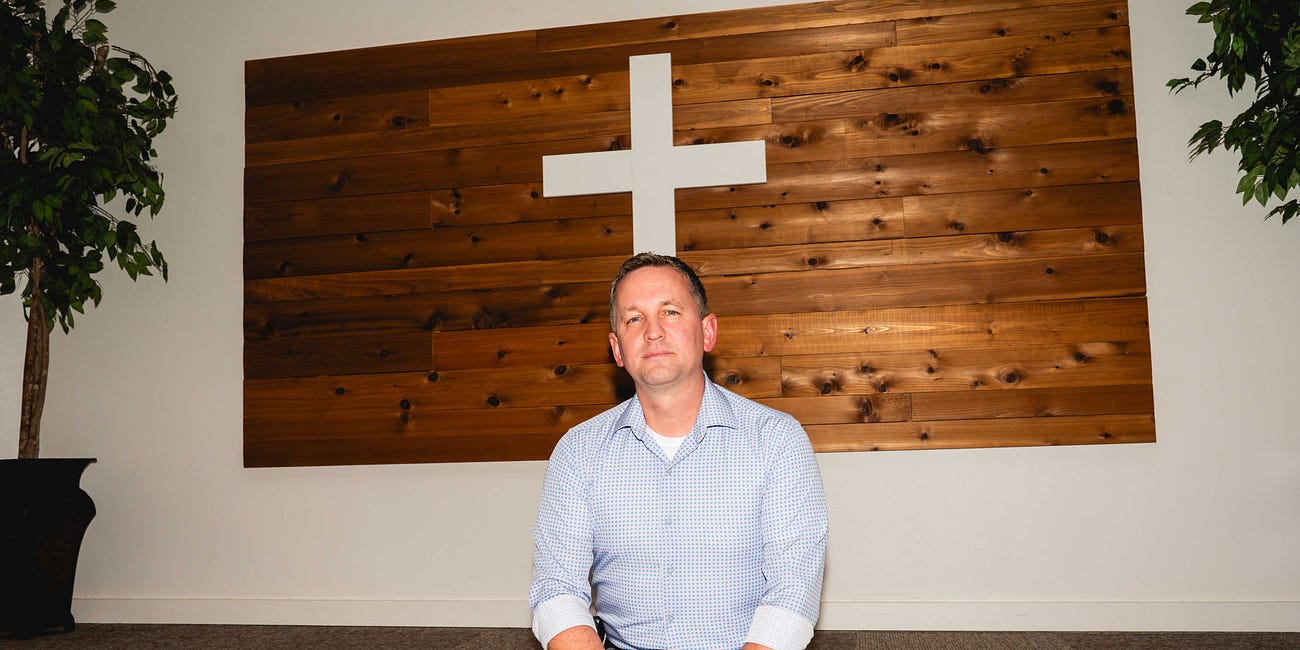
Can artificial intelligence help save souls? A growing number of U.S. pastors seem willing to give it a try. According to a recent study, nearly 24 percent now use AI to write or edit sermons, and many more lean on it for research, outlines, and prayers. When one parishioner stood and recited a prayer that sounded unmistakably machine-made, Josh Code started to look into how far the technology has spread in churches, and how it’s changing the hearts of the faithful. Read what he found.
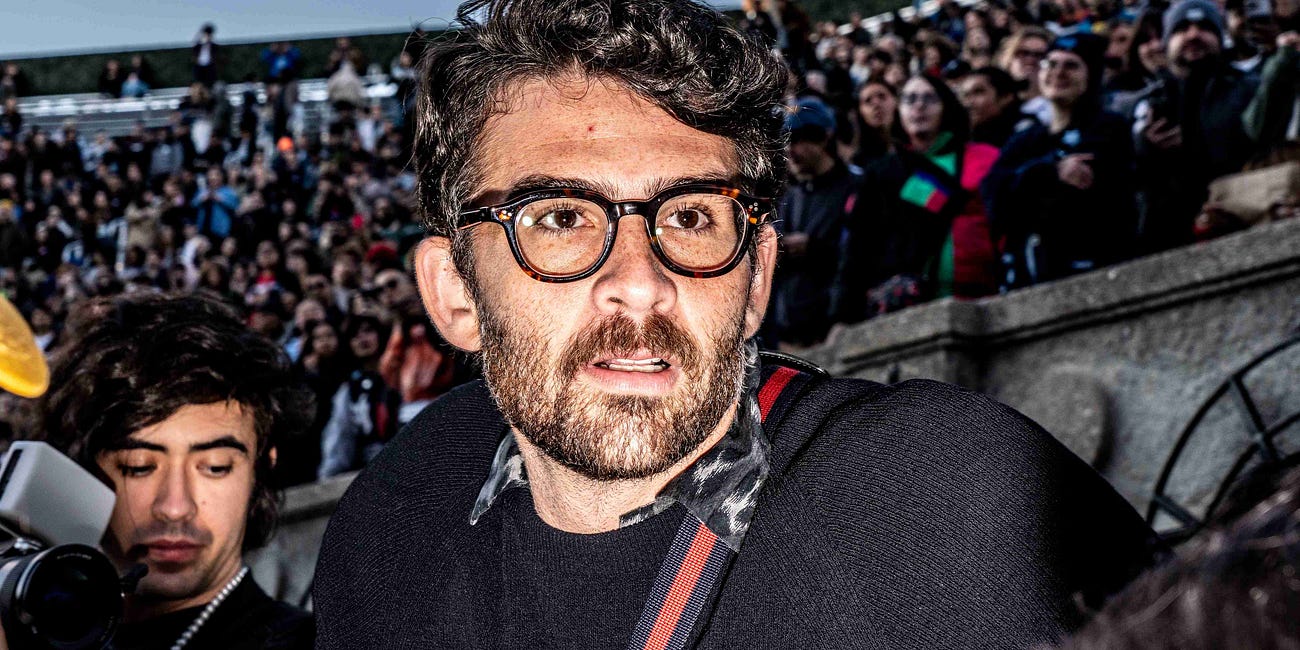
“Is America worse than al-Qaeda?” sounds like an absurd question to pose. The answer is obvious, but not according to Hasan Piker, who told “Axios” that the United States is “pound for pound” worse than al-Qaeda. Not so long ago, the mad ravings of a streamer like Piker could be ignored, writes Eli Lake. Not anymore; our politics have become morally illiterate, and ideas like Piker’s have moved to the mainstream.

EDITORS’ PICKS
There is a little-known philosophy shared by many of the tech executives who are trying to slow down AI, and its principles don’t always square with American values. It’s called effective altruism, and this week, Palantir chief technology officer Shyam Sankar argued that its focus on existential risks and the distant future could set back American progress. Sankar traces effective altruism from its intellectual roots to the rise of AI “doomerism,” and he argues that behind the warnings about extinction lies a much bigger question: Will elites get to choose how quickly America develops the most consequential technology of the 21st century, or will the public decide?
For more coverage of the debate about AI and the future of humanity, don’t miss Niall Ferguson on whether it’s AIpocalypse now, and Tyler Cowen on why the AI lab slowdown is not what it seems.
Sydney Sweeney’s beauty has apparently become a political problem. A sports-betting ad featuring the actress this month triggered a cultural freakout, including accusations of objectification, and a debate about how women are allowed to appear in public. But Caitlin Flanagan saw something more revealing behind the outrage. People have become determined to complicate the age-old fact that sex sells—or they insist that women apologize for it. The controversy over Sweeney, she writes, is really about whether we can still talk honestly about beauty, sex, and feminine power.
Ayaan Hirsi Ali took aim at one of the most fashionable ideas in Western commentary, recently boosted by The Economist: the notion that Islamic extremism and the European far right are essentially two symmetrical threats. But as Ayaan argues, this neat formulation ignores differences in ideology, history, and institutional power. The result is a kind of moral symmetry that may sound enlightened, but which overlooks uncomfortable realities about Islamism, immigration, and the future of Europe.
Patrick Clancy lost all three of his children, ran the Boston Marathon in their memory, and raised money for the hospital that cared for his son. Two years later, strangers watching his wife’s trial are scrutinizing that marathon, and have decided that a grieving father who can still run, smile, and function must be hiding something. Amanda Knox became an unwilling celebrity after being convicted and then exonerated of murder, and she understands Clancy’s nightmare. Once the internet decides you must be a monster, Amanda writes, every action you take becomes evidence against you.