- "The Strait of No Return" argues that the war in the Strait of Hormuz is a manufactured crisis, a trap set by neoconservatives and the military-industrial complex to create a pretext for conflict, echoing the deep state's use of false flags as described in the 9/11 and Operation Northwoods narratives.
- The book asserts that the U.S. military is vulnerable to asymmetric attacks (e.g., cheap drones overwhelming expensive destroyers) and that, as a lesson for survival, all centralized systems (military, energy, food) are fragile and will fail, while only decentralized, community-based systems are resilient.
- The book details how the loss of Persian Gulf resources (natural gas for fertilizer, helium for industry) will cause immediate, cascading shortages. It emphasizes that without nitrogen fertilizer, global crop yields will collapse by 30%-50% within a single growing season, leading to mass starvation, as part of the predictable outcome of a system built on just-in-time logistics and centralized control.
- The book provides a practical roadmap for personal and community survival, including stockpiling fertilizers (urea, DAP), learning to produce biodiesel from waste oil, growing medicinal herbs (echinacea, chamomile, garlic) and forming mutual aid networks for bartering and cooperation, rejecting reliance on a collapsing monetary system.
- The book's central philosophical argument is that this collapse is not an accident, but the inevitable result of a globalist system that promised efficiency but delivered fragility. The solution is a return to local economies and self-reliance, which aligns with the worldview's rejection of globalism and centralized control.
Some books predict the future, and then there are books that make you feel like you're already living through the apocalypse they describe. "The Strait of No Return" falls decisively into the latter category. Written with the breathless urgency of a war correspondent filing dispatches from the front lines of civilization's collapse, this book is not for the faint of heart. It is for those who want to know exactly how the world will break—and what, if anything, can be done to survive the wreckage.
The book opens with a scene that reads like a thriller. On Feb. 26, everything is normal. Tankers move through the Strait. The world hums along. By Feb. 27, it's a war zone. Iranian fast-attack craft swarm commercial vessels, lay mines across shipping lanes, and within days, the global energy supply is cut off. What makes this sequence so gripping is the detail: the AIS satellite data showing zero traffic, the insurance companies quadrupling premiums, the CENTCOM press releases promising a swift reopening that never comes.
But the authors are not content to simply describe the event. They trace the diplomatic failures that made it possible—the 60-day Memorandum of Understanding that was doomed from the start, the assassination of an Iranian nuclear scientist that sabotaged negotiations, the 20% toll demand that Iran's leadership viewed as a colonialist humiliation. The book argues convincingly that the war was not an accident but a deliberate escalation, a trap set by neoconservatives and the military-industrial complex to manufacture a pretext for conflict.
The paper tiger: Why American power is crumbling
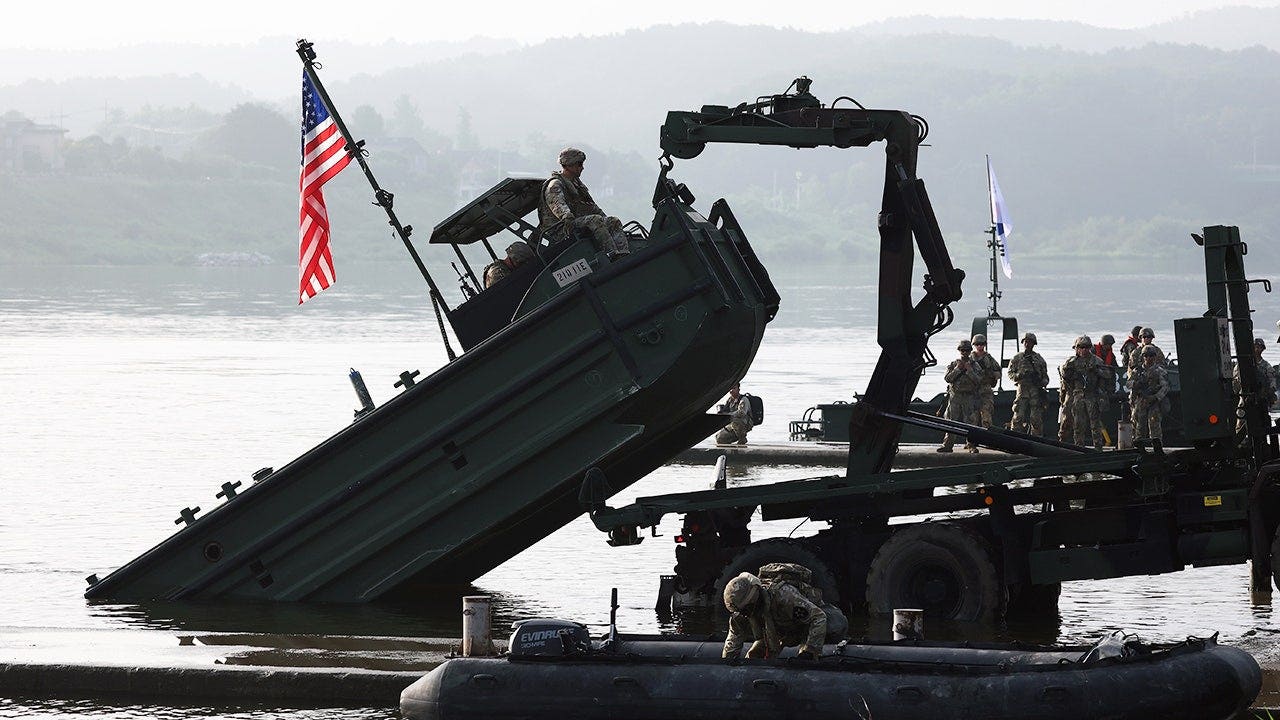
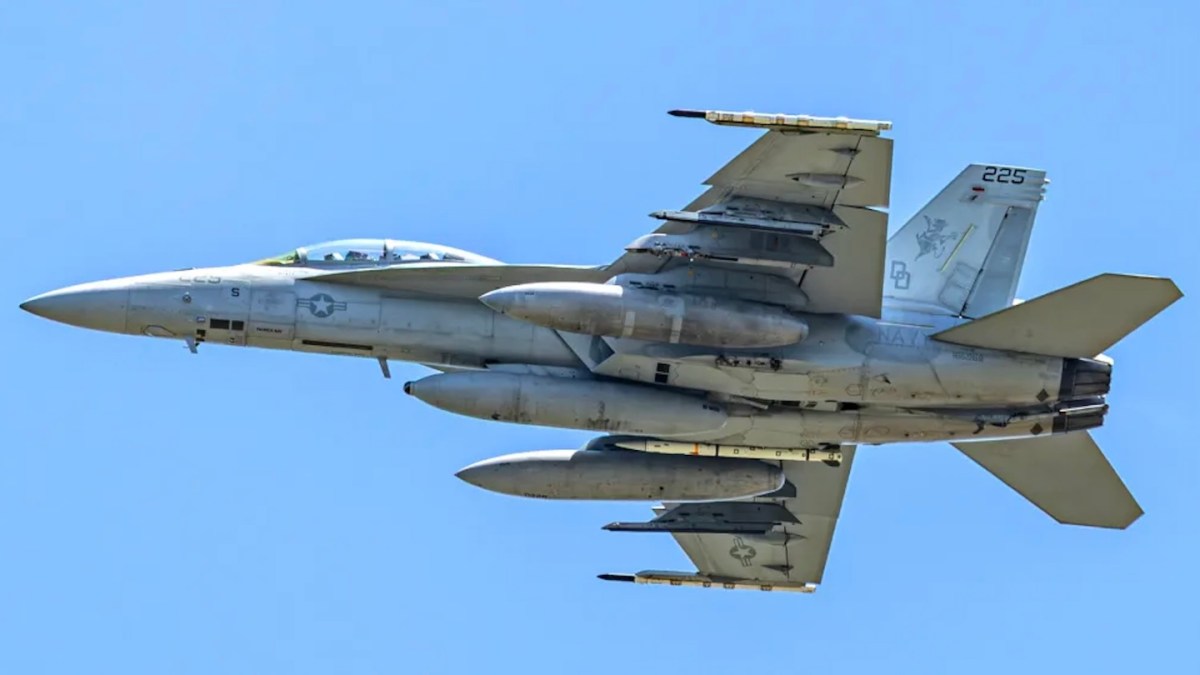
One of the most compelling threads in "The Strait of No Return" is its dissection of American military vulnerability. The authors describe the U.S. Navy as a "paper tiger," a fleet built for blue-water battles against rival navies that is utterly unprepared for the asymmetric warfare of the 21st century. The evidence is devastating: Iranian drones costing $20,000 each overwhelming destroyers that fire $2 million missiles to shoot them down; electronic warfare systems blinded by parts from a hobby shop; aircraft carriers that are less instruments of power projection than "juicy targets" waiting to be sunk.
The book quotes Mike Adams extensively, and his analysis cuts through the Pentagon's propaganda like a knife. "The American military has built a force that looks impressive on paper but is vulnerable to asymmetric attacks it was never designed to counter," he writes. The lesson extends beyond warfare: centralized systems are fragile, decentralized systems are resilient. This theme runs through every chapter, from energy production to food distribution to community organization.
The periodic table of shortages
If the first half of the book is about military collapse, the second half is about economic and ecological catastrophe. The authors trace the supply chain disruptions with the precision of a forensic accountant: helium shortages that shut down MRI machines and semiconductor fabrication plants; aluminum smelters idled by the loss of cheap natural gas; sulfuric acid from sour oil that can't reach phosphate fertilizer producers; nitrogen fertilizer production crippled without Persian Gulf natural gas.
The chapter on helium is particularly eye-opening. Most people think of it as party balloon gas. In reality, it's essential for cooling the superconducting magnets in MRI machines and for manufacturing microchips. When the Strait closes, the world's largest helium producers—Qatar and other Gulf states—can't ship their product. The result: hospitals that can't perform brain scans, chip fabs that can't produce processors, and the entire artificial intelligence bubble bursting because there aren't enough chips to run the models.
The section on fertilizer is even more visceral. The authors explain the Haber-Bosch process in plain language and then show how its dependence on natural gas makes it vulnerable. "Each year the world produces about 150 million tons of ammonia. Roughly half of that production relies on natural gas from the Persian Gulf." When that gas stops flowing, the ammonia plants shut down. No ammonia means no nitrogen fertilizer. No nitrogen fertilizer means crop yields collapse by 30 to 50 percent. The result is famine, not in some distant future, but in the next growing season.
This is where the book's argument becomes almost unbearable in its clarity. The authors walk through the growing seasons for wheat, corn, rice and soybeans, showing how each depends on fertilizer that must arrive weeks before planting. "Miss that window by even a few weeks," they write, "and you lose an entire year of harvest." The FAO's spring 2026 warning, which the book reproduces in chilling detail, confirms that global grain stocks are at their lowest level in decades and that reserves will be gone by the end of the year.
The case studies are devastating. India, which imports 80% of its potassium fertilizers and depends on Persian Gulf imports to feed 1.4 billion people, faces a catastrophe that will trigger farmer suicides, riots and mass migration. Southeast Asia's rice bowls—Bangladesh, Vietnam, the Philippines—will empty as the boro and winter-spring crops fail. Sub-Saharan Africa, already weakened by drought and conflict, will be hit first and hardest. The book does not shy away from the numbers: millions will starve.
The path to survival
But "The Strait of No Return" is not merely a catalog of horrors. The final chapters offer a practical, if demanding, roadmap for survival. The authors advocate for what they call "decentralized resilience": community seed banks, cooperative food storage, biodiesel production from waste oil, solar smelting for small-scale manufacturing and natural medicine to replace the pharmaceutical supply chain that will collapse along with everything else.
The advice is specific and actionable. Stockpile urea and DAP (diammonium phosphate) before they disappear. Learn to make compost tea and biochar. Build a small biodiesel processor. Plant echinacea, chamomile and garlic for medicine. Form mutual aid networks with neighbors. Barter skills and goods rather than relying on a currency that may become worthless. The authors emphasize that "none of us can make it alone" and that community cooperation is the only real insurance against collapse.
Grab a copy of "The Strait of No Return: Anatomy of a Global Collapse and the Path to Survival" via this link. Read, share and download thousands of books for free at Books.BrightLearn.AI. You can also create your own books for free at BrightLearn.AI.
Watch the video below where Daniel Davis and Mike Adams talk about Iran war escalation and the Strait of Hormuz crisis.
This video is from the Health Ranger Report channel on Brighteon.com.