By Better Living | Created at 2026-09-25 13:18:20 | Updated at 2026-09-25 20:14:02
7 hours ago
By Better Living | Created at 2026-09-25 13:18:20 | Updated at 2026-09-25 20:14:02
7 hours ago
From penguin watching among grounded icebergs in Alaska to swimming alongside marine iguanas in the Galápagos, wildlife cruises let nature lovers sail through a wonderland of spectacular scenery to some of the most epic destinations on Earth.
These ice-strengthened small ship cruises offer an unparalleled way to reach some of the most remote locations, otherwise impossible to access by land or by larger vessels.
With a limited number of passengers, you get to venture into extraordinary wildlife destinations and enjoy intimate encounters with spectacular animal and bird life in their natural habitats.
With expert guides like Naturetrek leading the way, you can explore hidden coves to discover rare marine life, witness nesting birds, or photograph Southern Rockhopper Penguin rookeries on the Falkland Islands during your wildlife cruise.
In this guide, we round up five of our favorite wildlife cruise destinations for the year ahead.
1
The Galápagos Islands, Ecuador
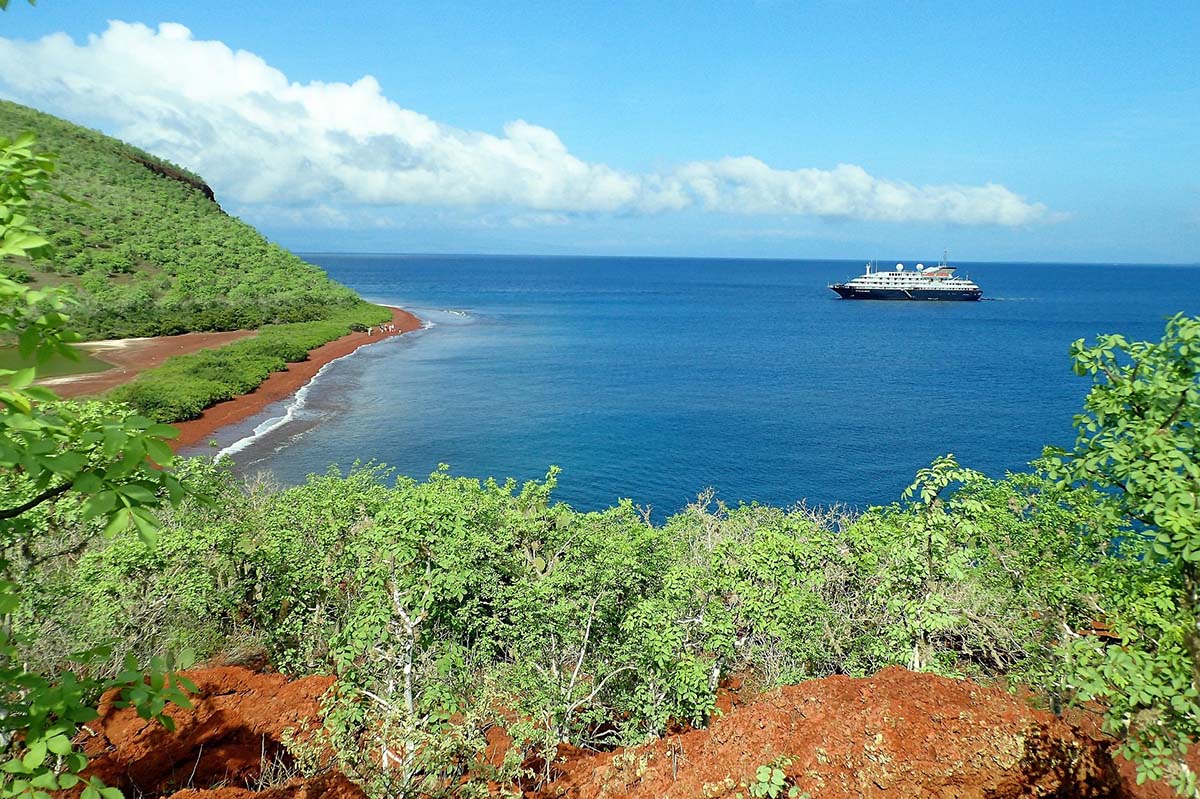
Best for: Galápagos giant tortoises, Galápagos penguins, marine iguanas, and 28 endemic bird species among the roughly 9,000 wildlife species found here.
Perhaps the best place on the planet for wildlife photography and a naturalist-led cruise, the legendary Galápagos Islands were made famous by Charles Darwin’s theory of evolution.
The islands are part of a large archipelago straddling the equator about 960 km off the coast of Ecuador, mainly volcanic in origin, each with its own distinct shape and character.
The major draw is undoubtedly the wildlife. On any given trip you can expect to encounter giant tortoises, sea lions, iguanas, and 60 bird species, 28 of which are endemic, such as the Darwin finch.
What makes a Galápagos wildlife cruise so special is the astonishing natural behavior on display, like blue-footed boobies performing their mating dance, thanks to the near-total absence of natural predators.
As you cruise between islands, keep an eye out for seabirds and cetaceans, or snorkel in crystal-clear waters with curious young Galápagos sea lions. Watch for playful dolphins swimming in the bow-wake of your intimate schooner at the end of the cruise.
2
Komodo National Park, Indonesia
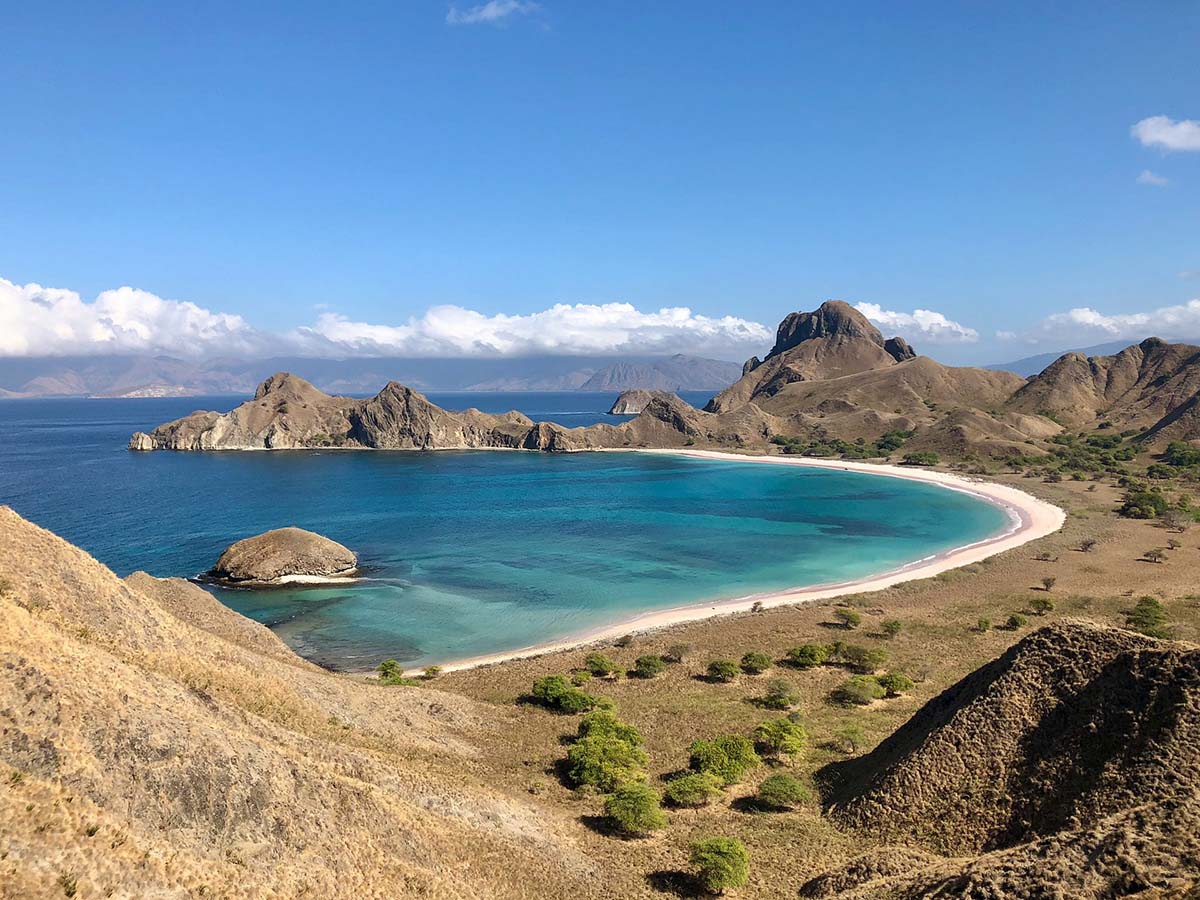
Best for: Komodo dragons, frigatebirds, white-tailed tropicbirds, false killer whales, spinner dolphins, and the endangered yellow-crested cockatoo, among others.
A nine-night cruise from the picturesque island of Bali takes you to Komodo Island, known to nature lovers as home to the largest lizard in the world: the Komodo dragon.
The cruise provides excellent snorkeling opportunities, alongside the search for the formidable dragon on Rinca Island. Island birds found here include the green junglefowl, Wallacean drongo, and flame-breasted sunbird.
All the islands in the region lie in warm tropical waters home to over 3,500 fish species and an array of tropical whales and dolphins, enough to keep any avid snorkeler enthralled.
As you travel from island to island, you can take in the scenery, cetaceans, and other wildlife along the way. Evenings are spent in a sheltered spot, giving guests time to appreciate the beauty of the wildlife, both above and below the water.
3
Spitsbergen, Norway
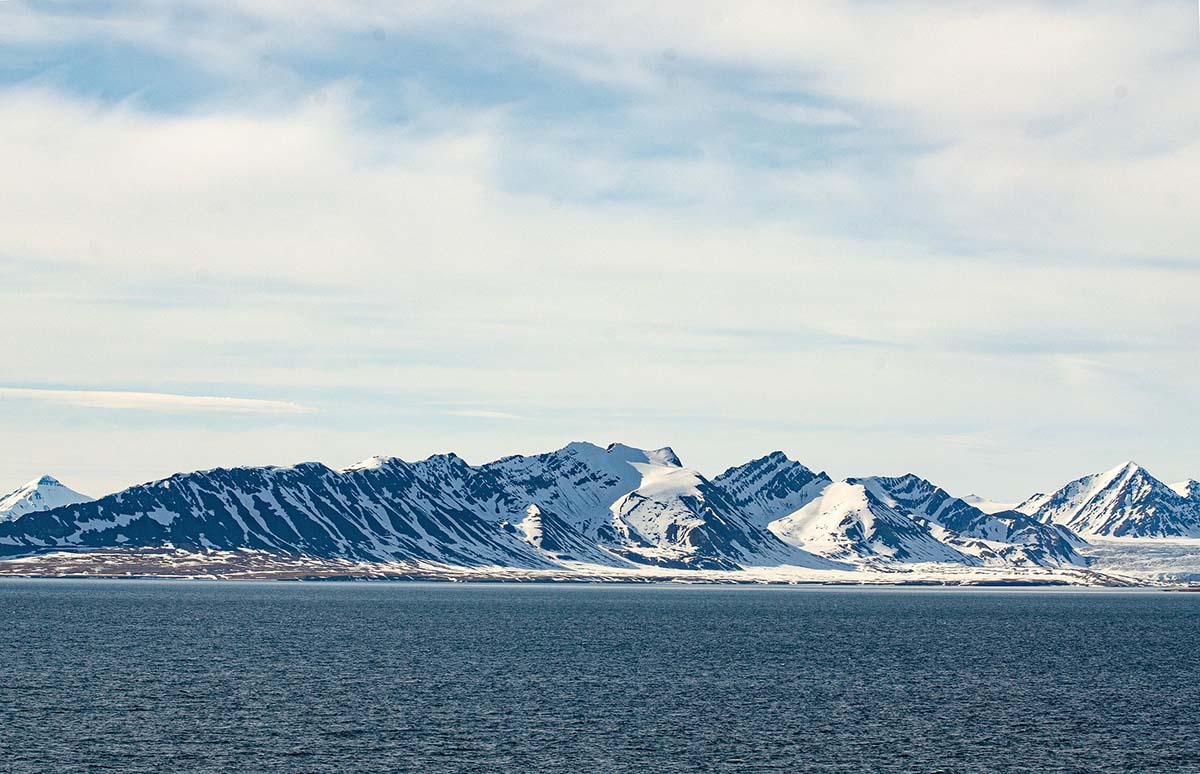
Best for: polar bears, Arctic foxes, humpback whales, blue whales, narwhals, belugas, seabirds, and seals.
A small-ship expedition, led by experienced explorers, takes you to some of the most remote corners of the polar regions high above the Arctic Circle, to the Svalbard archipelago and the island of Spitsbergen.
This remarkable archipelago is a haven for wildlife, including the highest population of polar bears anywhere in the world, numbering over 3,000. As the ice melts, these animals move closer to shore to hunt for seals, their primary food source.
Opportunistic Arctic foxes patrol the bases of the cliffs, hoping to find fallen chicks or marine animal carcasses left behind by the bears.
Whale sightings are a distinct possibility, and some departures are timed to include a chance at viewing the Northern Lights.
4
Great Bear Rainforest, British Columbia, Canada
Best for: American black bears, brown bears, spirit bears, humpback whales, and grey wolves.
Stretching from Discovery Island in the south to the Alaska border in the north, the Great Bear Rainforest covers roughly 70,000 square kilometers of British Columbia’s forested coastline, one of the largest tracts of unspoiled temperate rainforest left in the world.
No other location offers such intimate brown and grizzly bear encounters in a habitat virtually devoid of human activity. You can find these magnificent creatures feeding on salmon as they return upriver to spawn at the estuaries of the region’s large rivers.
See also

A rare sub-species of the black bear, the spirit bear, can occasionally be spotted in the ancient forests of Princess Royal Island, carrying a gene that produces pure white fur.
In summer, humpback whales are commonly seen breaching here, alongside orcas at Whale Channel and Campania Sound, two of the best spots to watch their behavior.
5
Weddell Sea, Antarctica
Best for: humpback whales, leopard seals, Weddell seals, emperor penguins, South Polar skuas, and light-mantled albatrosses.
Best known for its huge ice shelves and magnificent icebergs, the 2,000 km Weddell Sea is fed by an upwelling of cold water from the ocean depths, providing food for the hardy creatures that have adapted to survive the intense cold of the region.
Cruising the Weddell Sea in search of wildlife, you will find the sheer volume of icebergs and sea ice extremely striking.
Expect to see elephant seals, Weddell seals, and an abundance of penguins and seabirds. While humpbacks feed in the nutrient-rich waters, the Antarctic’s largest predator, the leopard seal, can be seen hunting along the ice shelf.
Getting close to the magnificent emperor penguins on Snow Hill Island, in their natural habitat, is a life-changing, once-in-a-lifetime experience. It’s part of why Antarctica has become as much a draw for travelers seeking restorative, wellness-focused cruises as it is for wildlife encounters.
What to Expect on a Wildlife Cruise Holiday
Small-ship cruises, with a limited number of passengers, provide the perfect way to reach some of the world’s most iconic wildlife destinations.
The relaxed, friendly onboard atmosphere also lets guests connect and share memories with like-minded travelers, the kind of bonds that tend to linger for years. It’s a reminder that the benefits of a cruise vacation go well beyond the itinerary.
Whether you’re journeying through Arctic waters or island-hopping in the Galápagos, these voyages bring you closer to some of the most incredible wildlife inhabiting the most unique corners of the natural world.

Better Living may earn commissions through affiliate links and may occasionally feature sponsored or partner content. If you make a purchase through our links, we may receive a small commission at no cost to you.