By The Rio Times | Created at 2026-08-12 08:36:57 | Updated at 2026-08-12 08:59:15
37 minutes ago
By The Rio Times | Created at 2026-08-12 08:36:57 | Updated at 2026-08-12 08:59:15
37 minutes ago
Guyana · Energy
Key Facts
- Trade volume Bilateral trade between the US and Guyana has exceeded US$25 billion over the past decade, making Washington Georgetown’s largest trading partner and top foreign investor.
- Cost recovery ExxonMobil’s Stabroek Block joint venture has recovered its initial development costs, meaning Guyana’s share of oil revenue is set to increase under production-sharing terms.
- Crude flows US crude imports from Guyana averaged 261,000 barrels per day in April 2026, reflecting the country’s rising role in American supply chains.
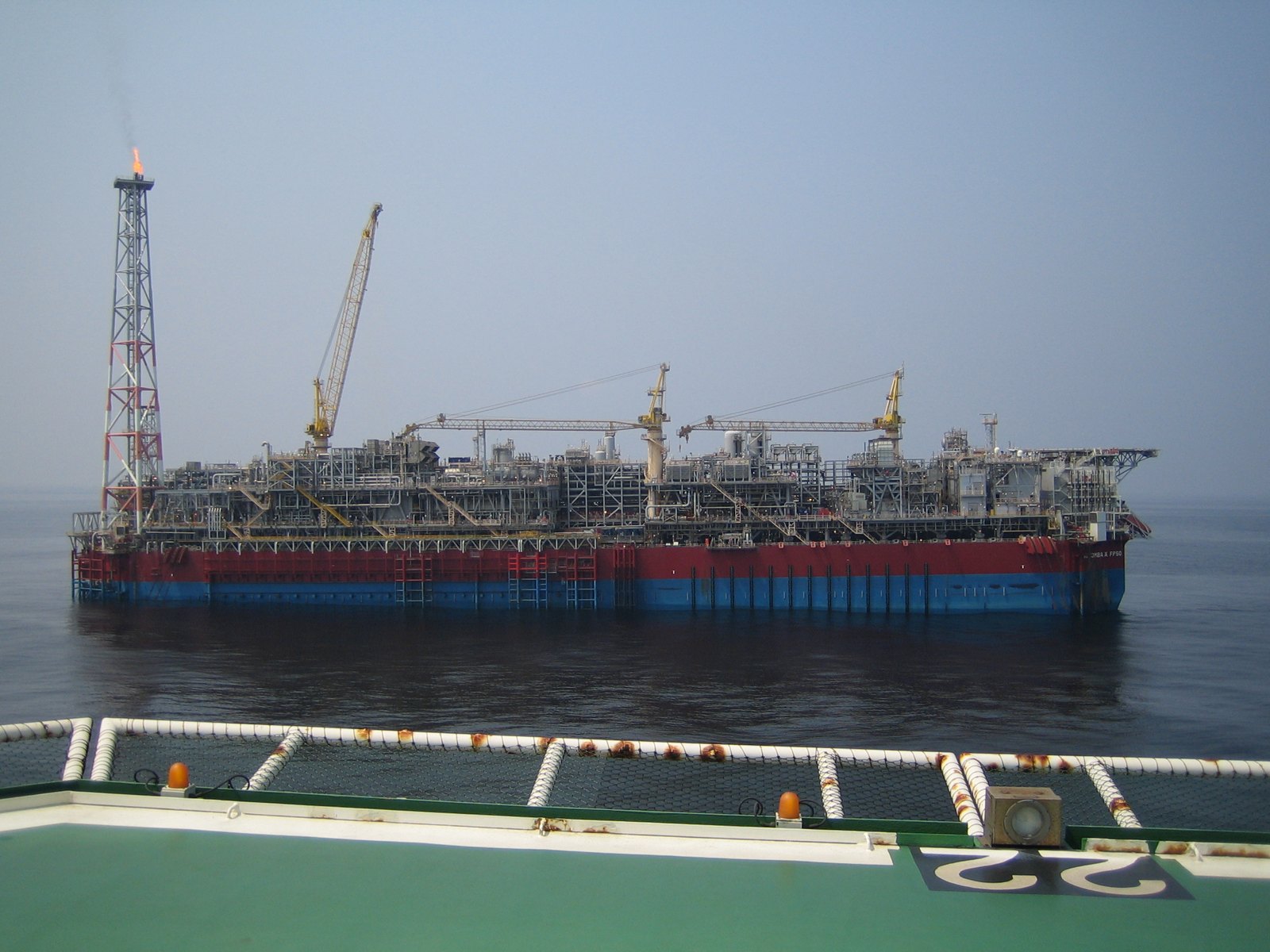
- Project scale ExxonMobil operates seven approved projects and four floating production storage and offloading vessels (FPSOs) in the Stabroek Block, with additional capacity scheduled for 2026–2027.
- Security pact Guyana and the US signed a security-cooperation memorandum of understanding in 2025, aimed at safeguarding critical energy infrastructure and supporting investor confidence.
- Broader push US diplomatic statements emphasize positioning American companies to lead in energy, infrastructure, and mining, with some funding already tied to infrastructure linked to a bauxite project.
The real story is less about barrels and more about who builds what comes next. As Guyana’s oil revenue matures, the contest over ports, power, and logistics will shape how much of the boom stays local.
It will also shape how much flows through US corporate channels.
If you live in or invest in Latin America, the US role in Guyana’s oil is no longer a side note. It’s a signal.
Washington has quietly become Georgetown’s most important commercial partner, and the relationship is moving beyond crude extraction into infrastructure, security, and mining.
For anyone watching regional power shifts, this is where the next decade’s leverage is being built.
One-stop reference
Company Intelligence
Every listed company in Latin America — financials, ownership and structure for 1,450+ companies across 26 exchanges, in one place.
The US role in Guyana’s oil is now structural
The numbers are hard to ignore. The US State Department says it is actively positioning American businesses to lead in energy, infrastructure, and other sectors.
These are central to Guyana’s growth.
That is not diplomatic vagueness — it is a commercial strategy. Guyana’s finance minister confirms the US is its largest source of foreign direct investment.
It is also its largest trading partner. Bilateral trade surpassed US$25 billion over the past decade.
ExxonMobil remains the engine. Its Stabroek Block joint venture has now recovered its initial development costs, a milestone that shifts the financial equation.
Under the production-sharing agreement, Guyana’s share of oil revenue will increase from here on. That means more money flowing to the state — and more reason for Georgetown to keep its closest ally happy.
What the ExxonMobil milestone actually changes
Cost recovery is the kind of technical detail that rarely makes headlines, but it matters. For years, ExxonMobil and its partners were clawing back billions in upfront investment.
Now that those costs are recovered, the government’s take rises automatically. In practical terms, Guyana gets a larger slice of every barrel sold — without renegotiating anything.
That shift comes at a moment of rapid expansion. ExxonMobil has seven approved projects in the Stabroek Block and four operating FPSOs, with more capacity scheduled to come online in 2026–2027.
US crude imports from Guyana averaged 261,000 barrels per day in April 2026. That sharp increase reflects growing output and Washington’s appetite for a reliable, non-OPEC supplier close to home.
Security cooperation and the infrastructure question
Oil alone does not explain the deepening ties. In 2025, Guyana and the US signed a security-cooperation MOU designed to protect critical infrastructure and reassure investors.
That is a strategic layer beyond commerce. It signals Washington views Guyana’s energy sector as part of broader regional interests.
Venezuela‘s territorial claims over the Essequibo region remain unresolved.
On infrastructure, the picture is more nuanced. There is no evidence of a single US-run ports, roads, or housing program in Guyana.
Research shows a broader push into infrastructure-linked investment. One report notes US funding tied to infrastructure associated with a bauxite project.
That suggests Washington seeks entry points into enabling infrastructure like power, logistics, and transport. It is not managing a national construction agenda.
Why this matters for Latin America watchers
For anyone in Latin America, the US role in Guyana’s oil previews how Washington may engage with other resource-rich economies. It’s a regional signal.
The model is not aid-based; it is corporate-led, security-backed, and focused on long-term supply chains.
Guyana is small, but its trajectory is being watched closely in Brasília, Bogotá, and Caracas.
The practical takeaway is simple: as Guyana’s revenue grows, so does its capacity to fund infrastructure, social programs, and diversification. But the direction of that spending — and who gets the contracts — will be shaped by the US commercial footprint.
For investors, the opportunity is not just in oil barrels, but in the logistics, services, and construction that follow. For residents, the question is whether the boom brings visible daily improvements.
Or it remains an offshore story with slower onshore benefits.
Frequently Asked Questions
Is the US running a formal infrastructure program in Guyana?
No. The research does not show a single US-led national program for ports, roads, or housing. There is a broader push to expand US commercial involvement in infrastructure-linked investment.
Some funding is tied to a bauxite project’s associated infrastructure.
The US role is best described as strategic and corporate-led, not state-managed construction.
How much oil revenue will Guyana actually see from the cost-recovery milestone?
Exact figures are not specified in the research. The key point is ExxonMobil’s joint venture has recovered its initial development costs.
So Guyana’s share of production revenue will increase under existing production-sharing terms.
The precise uplift depends on oil prices, production levels, and project-specific costs.
What does the US-Guyana security MOU cover?
The 2025 memorandum of understanding focuses on security cooperation, specifically to help safeguard critical infrastructure and bolster investor confidence. It does not detail specific military commitments or funding amounts.
The broader context includes ongoing tensions with Venezuela over the Essequibo region, which adds a strategic dimension to the agreement.
Sources: Reuters, US State Department, Stabroek News, Kaieteur News, S&P Global