By The Free Press | Created at 2026-08-14 19:43:40 | Updated at 2026-08-14 21:40:14
6 hours ago
By The Free Press | Created at 2026-08-14 19:43:40 | Updated at 2026-08-14 21:40:14
6 hours ago
Produced by ElevenLabs using AI narration
It’s Friday, August 14. This is The Front Page, your daily window into the world of The Free Press—and our take on the world at large. Today: Suzy Weiss on the First Amendment war over face tattoos. Tyler Cowen on how Donald Trump’s immigration stance puts conservative values at risk. And much more.
But first: how Caitlin Clark became a culture war piñata.
I’ve been watching the WNBA for a couple of decades now, going back to Rebecca Lobo and Lisa Leslie, to the more recent era of Tamika Catchings and Diana Taurasi. They were all great players, but there’s a decent chance you’ve never heard of them, even if you’re a sports fan. Only die-hard women’s basketball fans watched the WNBA, and there weren’t very many of us.
But three years ago Caitlin Clark, with her amazing long-range shots and gorgeous blind passes, joined the league and became its first breakout superstar. On the one hand, her astonishing popularity has done wonders for the WNBA, bringing with it higher player salaries, a $200 million TV deal, and a status quo in which teams fly on private jets instead of commercial flights.
On the other hand, her popularity has had a dark side. The heightened scrutiny of Clark, her team, and the league has led to culture war after culture war in the WNBA—an organization that was woke before people used the term woke.
Clark’s popularity, in a majority-black sport, has led to accusations of racism. Her teammate Sophie Cunningham has been dragged for saying it’s “common sense” to exclude trans women from the league. Two former NBA players, Enes Kanter Freedom and Royce White, have declared that they’ve decided they are women and plan to offer themselves up in the draft—a stunt apparently designed to expose the WNBA’s hypocrisy on the trans issue. Though a WNBA task force met this week to come up with a definition for woman, the meeting ended, astonishingly, with no decision.
I spent some time this week trying to learn whether the WNBA would be able to get past its culture war controversies—or whether the controversies would do it serious damage. Read my story to see where I came out.
—Joe Nocera

Suzy Weiss • Culture and Ideas
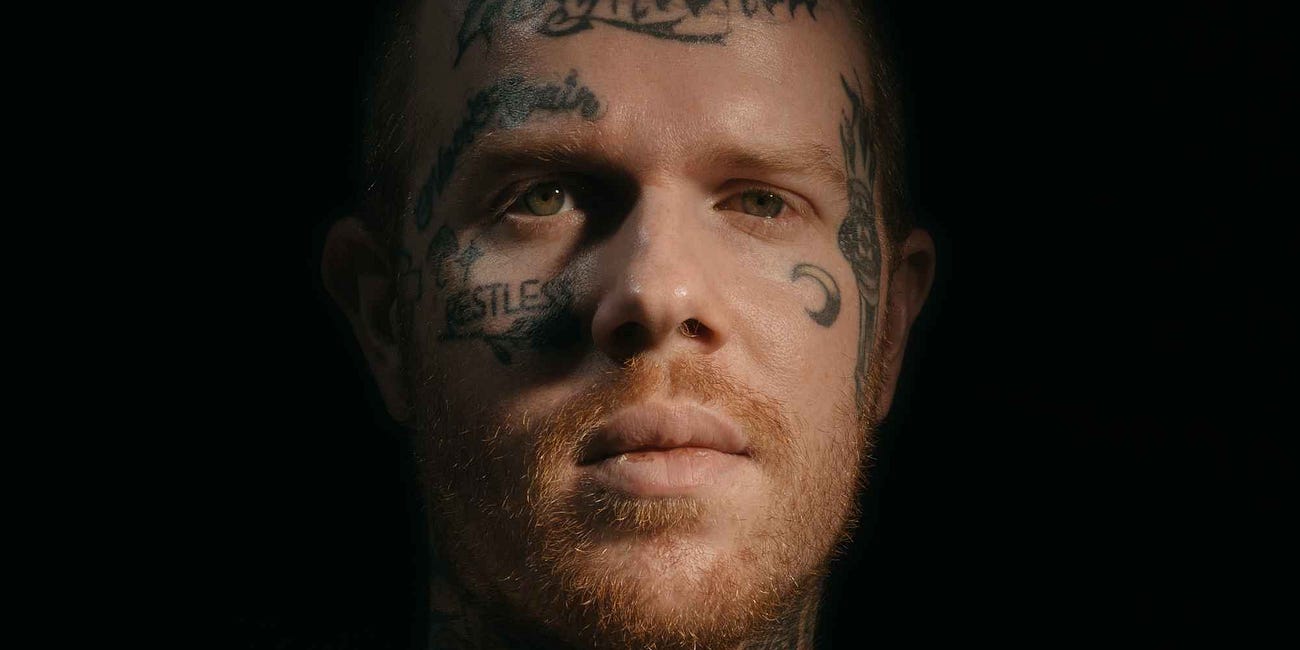
Question No. 1: Why would anyone want a tattoo on their face? Question No. 2: Why would the state of South Carolina care enough about face tattoos to ban them? Question No. 3: Will the new lawsuit hoping to overturn the prohibition succeed? Last question: Who would you rather read on this topic than Suzy Weiss? Her report on the artists, clients, and First Amendment warriors fighting for the right to get a face tattoo—and the woman who will stop at nothing to get the word “sex” removed from her boyfriend’s forehead—is one you won’t want to miss.
Tyler Cowen • U.S. Politics
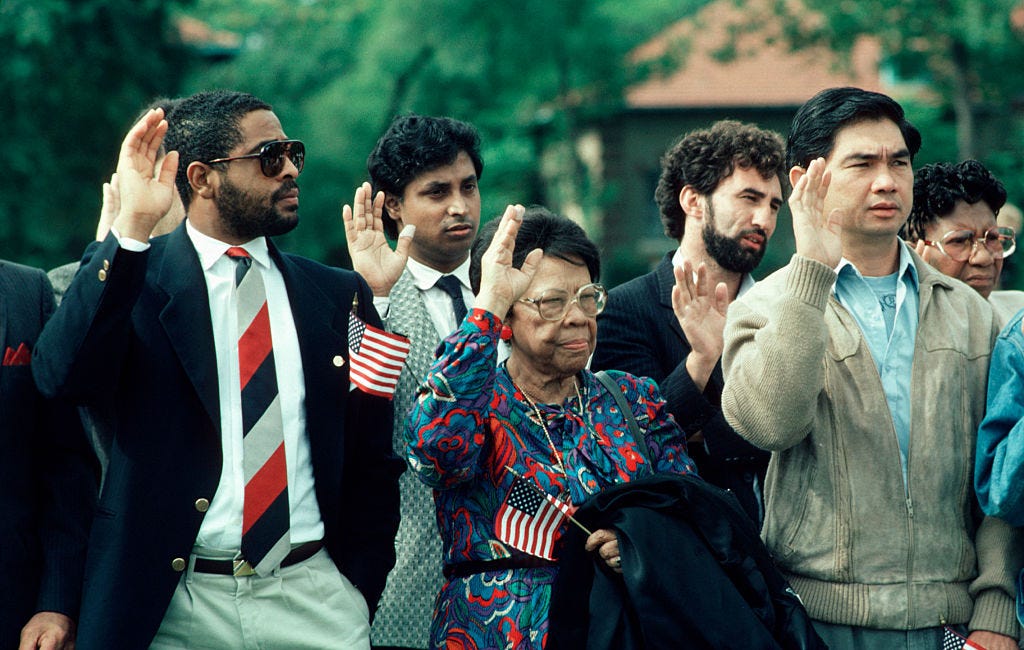
Many people on the right believe that President Trump’s immigration crackdown is necessary for “protecting the culture of the U.S.,” writes Tyler Cowen. But according to Tyler, they’re wrong. If we prize hard work, leadership, and family values, he argues, shutting out newcomers is a grave mistake. Read his conservative case for a liberal immigration policy.
Aaron MacLean • School of War
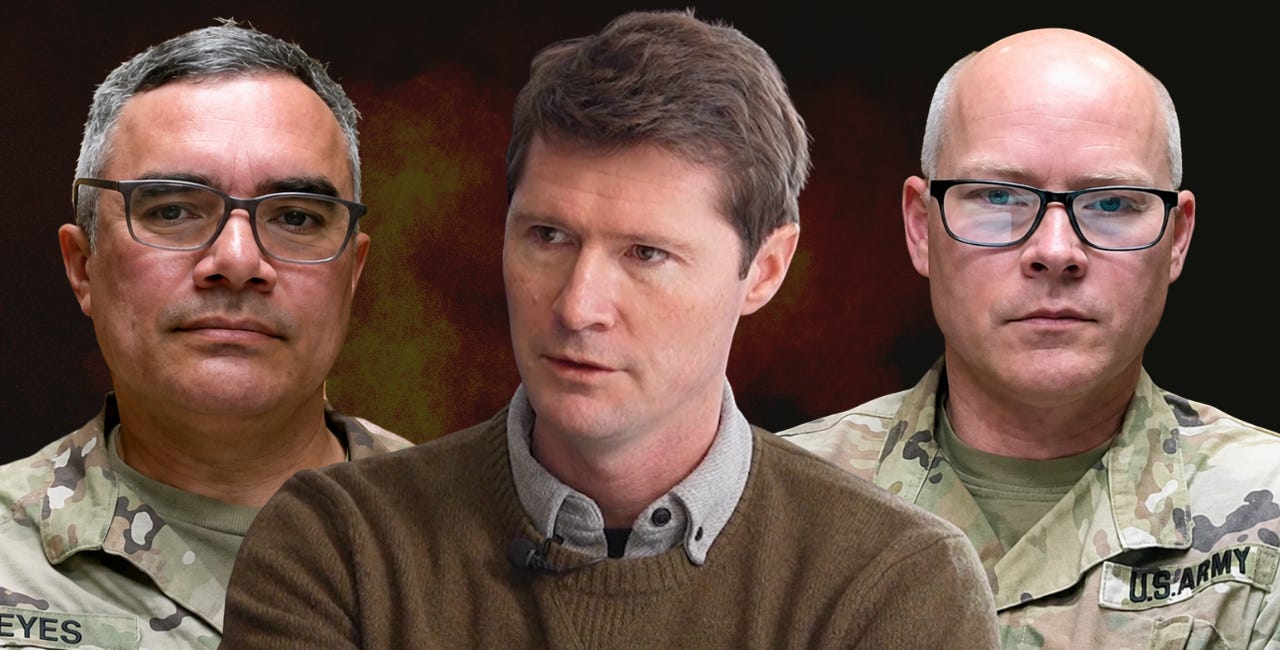
Is the tank obsolete? As drones and precision strikes transform modern battlefields, some have predicted that armored vehicles may soon meet the fate of the cavalry charge. On the latest episode of “School of War,” Aaron MacLean sits down with two U.S. Army commanders to make the opposite case: The future of warfare may still belong to the tank.
EDITORS’ PICKS
As the whole internet now knows, Alexandria Ocasio-Cortez, at the age of 36, is freezing her eggs. She shared her decision on social media in the hope that it would “normalize” the process. But Caitlin Flanagan, in her latest essay, argues that if we’re raising awareness of egg freezing, we should raise awareness of its success rates. “The truth is that many, many times, egg freezing can lead to heartbreak because it’s hardly foolproof, or even a likely way to get pregnant.”
Critics accused AOC of putting career ahead of starting a family—the latest pile-on to prove that the cultural tide has turned against the girlboss. To make sense of the backlash, Rafaela Siewert interviewed sex researcher Dr. Debra Soh. Don’t miss their conversation on AOC’s gambit to have it all, why more women are choosing to become single moms, and why America just can’t quit its trad wife obsession.
Meanwhile, Zoomers who leave their love lives to the optimizing forces of the algorithm are finding themselves worse off. This week, Kara Kennedy reported on the young people who are fed up with dating apps—and the dreamers reinventing romance for a post-app world. Meet the AI matchmakers, the “dating doc” writers, and the people stapling personal ads to telephone poles.
A blockbuster from Rupa Subramanya dropped this week: her investigation into the Virginia high school where antisemitic bullying, allegedly mostly by Muslim boys, went unpunished by administrators—until the state attorney general’s office stepped in. Rupa’s story caught the attention of Harmeet Dhillon, the head of the Justice Department’s civil rights division, who posted on X, “This is concerning. We are looking into it.”
Finally, New York magazine’s most recent cover story christened the Big Apple “Habibi City,” celebrating a community of Middle Easterners “flexing their cultural clout.” Not so fast, writes Liel Leibovitz—himself a Middle Eastern immigrant—who sees something darker afoot than vapid ethno-narcissism. Habibi City, he argues, sees itself as an “oppositional force, here to fight against all of America’s many transgressions, with the goal being the remaking of America in their own image.”