Three Minutes of Sprint Cycling Linked to Greater Molecular Changes Than 90 Minutes of Moderate Exercise, Study Finds
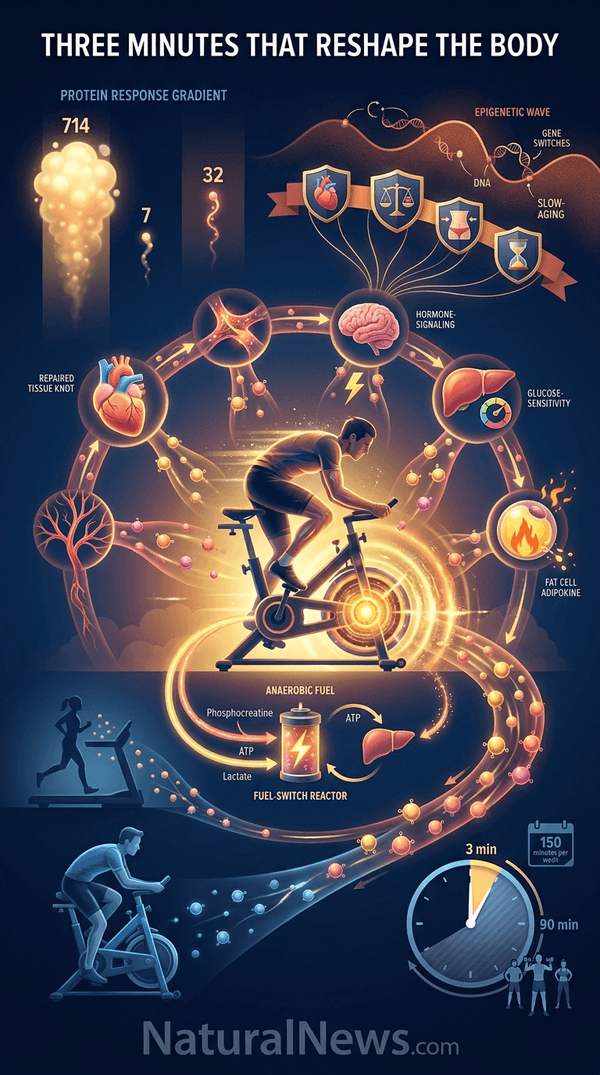
Researchers at Rockefeller University in New York reported that six 30-second all-out sprints on an exercise bike, totaling three minutes of intense exertion, triggered changes in 714 blood proteins. By comparison, 90 minutes of moderate cycling altered seven proteins, according to the study. The findings were published Aug. 13 in the journal Cell Reports Medicine, according to the report.
Current guidance advises adults to get at least 150 minutes of moderate-intensity exercise per week [1]. The researchers said the results suggest that short intense sessions may deliver benefits comparable to or greater than longer moderate workouts, per the report. Earlier work by Australian researchers found that a few minutes of high-intensity interval training offered the same benefits as 30 minutes of moderate exercise [2].
Researchers Compared Sprint Cycling, Moderate Cycling, and Treadmill Running
Participants performed six 30-second all-out sprints on an exercise bike, with four minutes of rest between each, completed within a half-hour period, according to the research team. In the current study, moderate cycling altered seven proteins, while two hours of moderate treadmill running altered more proteins than cycling alone but fewer than sprint cycling, the report stated.
Sprint cycling caused an immediate surge in proteins tied to blood-vessel function, tissue repair, and hormone signaling, according to the researchers. Earlier research found that sprint interval training and high-intensity interval training can help people lose weight faster than continuous moderate exercise [3]. Interval training has also been shown to produce greater fat loss relative to the amount of time spent exercising than longer endurance workouts [4].
Sprint Cycling Altered Gene Expression in Fat Cells
Blood collected after sprint cycling switched on or off more than 1,600 genes in human fat cells, compared with 25 after moderate exercise, according to the study. The changes affected how fat cells burn energy, respond to hormones, and detect nutrients, the researchers said.
The study's lead author, Dr. Paul Cohen, said: “What's exciting here is that just a few minutes of intense exercise can trigger a significant molecular response.” He added that the response remained visible after eight weeks of training. Co-author Luke Olsen said exerkines, proteins and metabolites released into the bloodstream during exercise, are “highly sensitive to exercise intensity and may be the key mediators of the health-promoting effects of short bursts of vigorous exercise.” The findings align with prior reports that HIIT's benefits lie in intensity rather than duration [5].
Protein Changes Associated With Lower Risk of Heart Disease, Obesity, and Type 2 Diabetes
Researchers cross-referenced protein levels with health records from more than 53,000 people in the UK Biobank and found that many of the proteins were associated with a lower risk of heart disease, per the report. Of 33 proteins linked to lower risk of obesity and type 2 diabetes, 32 were altered by sprinting, compared with three by moderate exercise. More than a quarter of these proteins were associated with slower biological aging, according to the researchers.
The researchers said short bursts of intense exercise may force the body to switch quickly between fuel sources, which could affect blood sugar control and fat metabolism. Prior research has reported that a short burst of intense exercise is beneficial for cardiovascular fitness and longevity [6].
Authors Acknowledge Need for Further Research Across Age Groups and Women
The researchers acknowledged that more work is needed to determine whether the findings apply broadly across different age groups and to women, according to the report. The report stated that more than 20 million adults in the UK fail to meet government physical activity guidelines, and around 12 million are considered severely inactive.
Earlier research suggested that women may be particularly responsive to sprint exercise. Two Swedish studies comparing responses of men and women to three 30-second bouts of sprinting found that women produced more insulin overall, built muscle while men did not, and reached peak levels of human growth hormone secretion faster than men [7].
The researchers said the results may help explain why high-intensity interval training has shown health benefits despite requiring far less time than endurance exercise.
References
- Rachel Collier, Paul Lem. "Maps for Makers".
- NaturalNews.com. "A few minutes is all you need: HIIT workouts can improve your body on a cellular level". NaturalNews.com. June 13, 2019.
- NaturalNews.com. "Is faster better? How short, intense workouts can help you lose weight quickly". NaturalNews.com. July 06, 2019.
- Michele Stanten. "Walk off weight".
- Mercola.com. "Why You Should Listen to Music When You Work Out". Mercola.com. November 11, 2016.
- NaturalNews.com. "Long Duration or Short Burst Exercising - Deciding Which Is Best for Health and Fat Loss". NaturalNews.com. September 15, 2008.
- Margaret Webb. "Older faster stronger what women runners can teach us all about living younger longer".
Explainer Infographic