By The Rio Times | Created at 2026-08-29 13:11:07 | Updated at 2026-08-29 17:19:30
5 hours ago
By The Rio Times | Created at 2026-08-29 13:11:07 | Updated at 2026-08-29 17:19:30
5 hours ago
Tonight in Buenos Aires
Key Facts
- The concert. Beethoven’s Piano Concerto No. 4 in G major — tonight, Saturday, August 29, at the Teatro Colón, Buenos Aires.
- The soloist. Margarita Höhenrieder, joined by the Camerata Bariloche.
- The nickname. Known among great pianists as ‘the sacred concerto’.
- Where it was written. In Vienna’s Pasqualati-Haus, Beethoven’s favorite residence, where he also composed the Fifth and Sixth Symphonies, ‘Für Elise’ and ‘Fidelio’.
- The house today. The Pasqualati-Haus survives intact as a national museum in Vienna, 220 years after Beethoven rented his two-room top-floor apartment there.
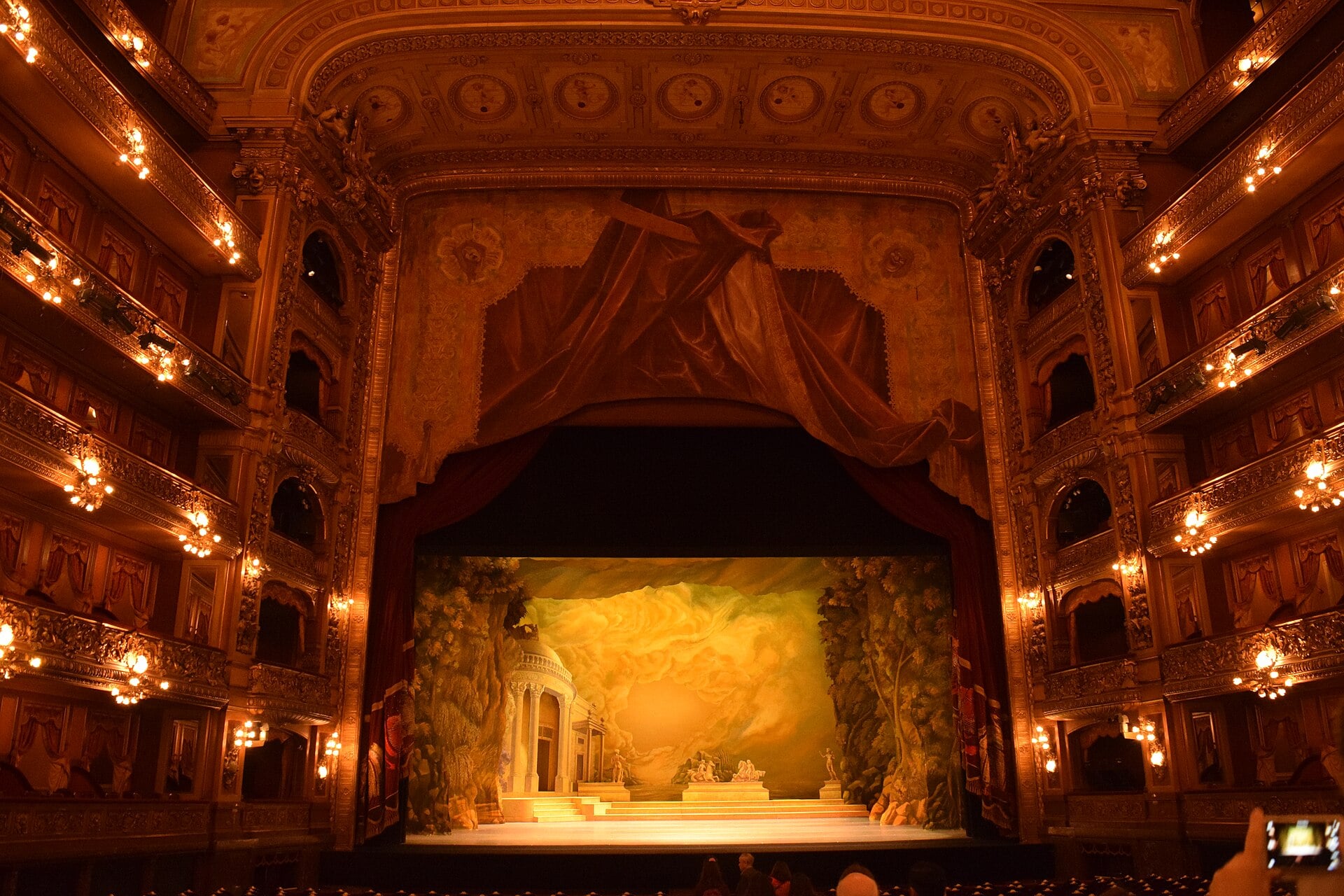
The Teatro Colón in Buenos Aires, Argentina, presents Beethoven’s Piano Concerto No. 4 tonight, Saturday, August 29: German pianist Margarita Höhenrieder joins the Camerata Bariloche for the work the great pianists call ‘the sacred concerto’ — written in Beethoven’s beloved Pasqualati-Haus in Vienna.
One-stop reference
Company Intelligence
Every listed company in Latin America — financials, ownership and structure for 1,450+ companies across 26 exchanges, in one place.
One of Beethoven’s most poetic scores sounds tonight at the Teatro Colón — and the story of the house where it was written is as fascinating as the music.
Teatro Colón Beethoven Night: What You Will Hear
The Teatro Colón Beethoven program tonight centers on the Fourth Piano Concerto, a work that opens not with orchestral thunder but with the piano alone, quietly — one of the most revolutionary beginnings in the concerto literature.
Margarita Höhenrieder, one of Germany’s most respected Beethoven interpreters, performs with the Camerata Bariloche, Argentina’s flagship chamber orchestra, on the country’s most famous stage.
The House Where the Concerto Was Born
Beethoven lived intermittently between 1804 and 1815 at the Pasqualati-Haus on Vienna’s Mölkerbastei — a stately house overlooking the Prater gardens, owned by his patron Baron Johann Baptist Pasqualati.
There he composed the Fifth Symphony ‘of fate’, the ‘Pastoral’ Sixth and the Eighth, the bagatelle ‘Für Elise’, the ‘Archduke’ Trio and the opera ‘Fidelio’ — and finished the Fourth Piano Concerto that sounds in Buenos Aires tonight.
Bettina Brentano’s Famous Letter
It was at the Pasqualati-Haus, on May 28, 1810, that novelist Bettina Brentano met Beethoven and wrote her legendary letter to Goethe: ‘When I saw him for the first time, the world disappeared… this man anticipates humanity.’
Beethoven, a deep admirer of Goethe, wrote back: ‘My dear Bettina, there is no spring more beautiful than this year’s — I feel it because I have met you.’
Practical Notes for Tonight
The Teatro Colón sits on Libertad street, between the Obelisco and Tribunales — Subte lines B, C and D all get you close; arrive early for the hall’s famously strict start times.
Last-minute seats for Colón symphonic programs often remain at accessible prices — check teatrocolon.org.ar or the box office on Tucumán before assuming a sellout.
Frequently Asked Questions
What is playing at the Teatro Colón on August 29, 2026?
Beethoven’s Piano Concerto No. 4 with pianist Margarita Höhenrieder and the Camerata Bariloche, on Saturday evening, August 29, 2026.
What is the Pasqualati-Haus?
Beethoven’s favorite Vienna residence (1804–1815), where he composed the Fifth and Sixth Symphonies, ‘Für Elise’, ‘Fidelio’ and finished the Fourth Piano Concerto — today a national museum.
Why is Beethoven’s Fourth called the ‘sacred concerto’?
Great pianists call it ‘the sacred concerto’ for its spiritual, inward character — beginning with the piano alone in a hush rather than the usual orchestral introduction.
Sources: La Nación (Cecilia Scalisi); Teatro Colón.