By South China Morning Post | Created at 2026-08-04 14:30:30 | Updated at 2026-08-04 23:17:06
8 hours ago
By South China Morning Post | Created at 2026-08-04 14:30:30 | Updated at 2026-08-04 23:17:06
8 hours ago
In viral interview, Liao Heng delves into navigating US curbs to build Ascend processors, prioritising innovation over nanometres for semiconductor self-reliance
Published: 10:29pm, 4 Aug 2026
When Liao Heng joined Huawei Technologies’ chip-design unit in 2016, he was sceptical about whether China could ever build world-class semiconductors.
A former child prodigy who entered Beijing’s prestigious Tsinghua University in 1987 at age 14 before moving to Princeton University for postdoctoral research, Liao had spent over a decade in the United States watching what he described as a “long sunset” for American chip start-ups.
Working abroad, he noted, often bred a “blind arrogance” that only Western firms were capable of true innovation. His perception changed rapidly once he witnessed Huawei’s execution first hand.
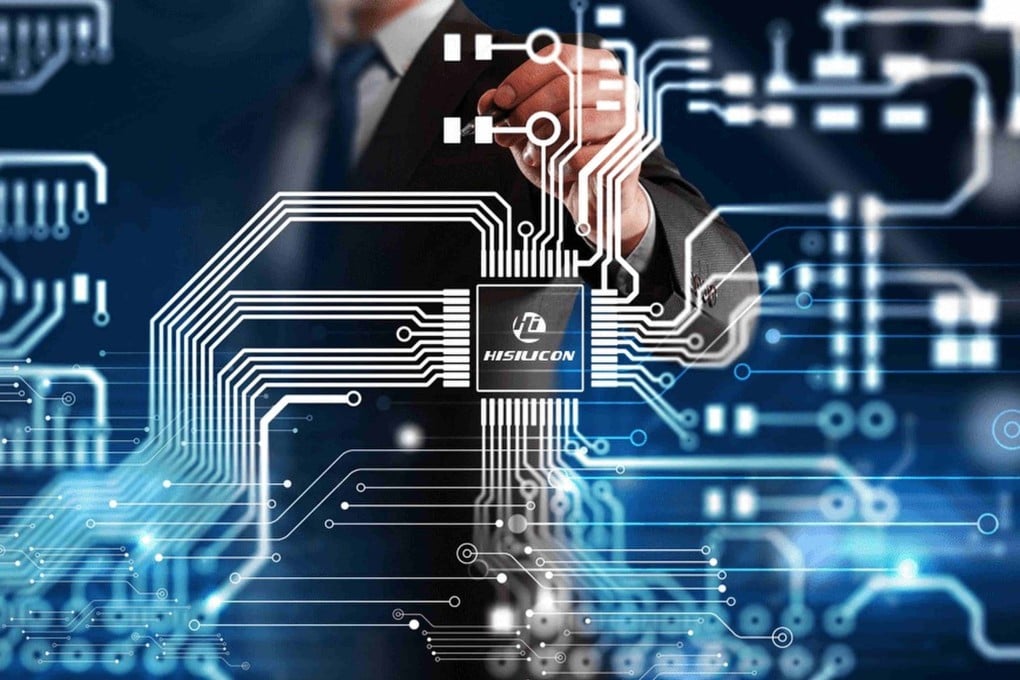
“Reality taught me a quick lesson,” Liao said on a business podcast that has recently gone viral. He noted that the chip unit, HiSilicon, finalised designs for – or “taped out” – dozens of new chips annually without a single failure to reach mass production. “Such a high hit rate shows that every team [at the company] is highly qualified.”
Today, as chief scientist of Huawei’s semiconductor business and the chief architect behind its Ascend artificial intelligence (AI) processors, Liao stands at the centre of China’s drive for technological self-reliance.
In the rare interview, hosted last month by a reporter from a mainland news organisation, Liao revealed how he brought Silicon Valley expertise back to China, navigated crushing US sanctions, and leveraged domestic strengths to build a self-sustaining AI computing infrastructure.