 By The Epoch Times | Created at 2026-10-19 16:36:28 | Updated at 2026-10-19 23:36:38
7 hours ago

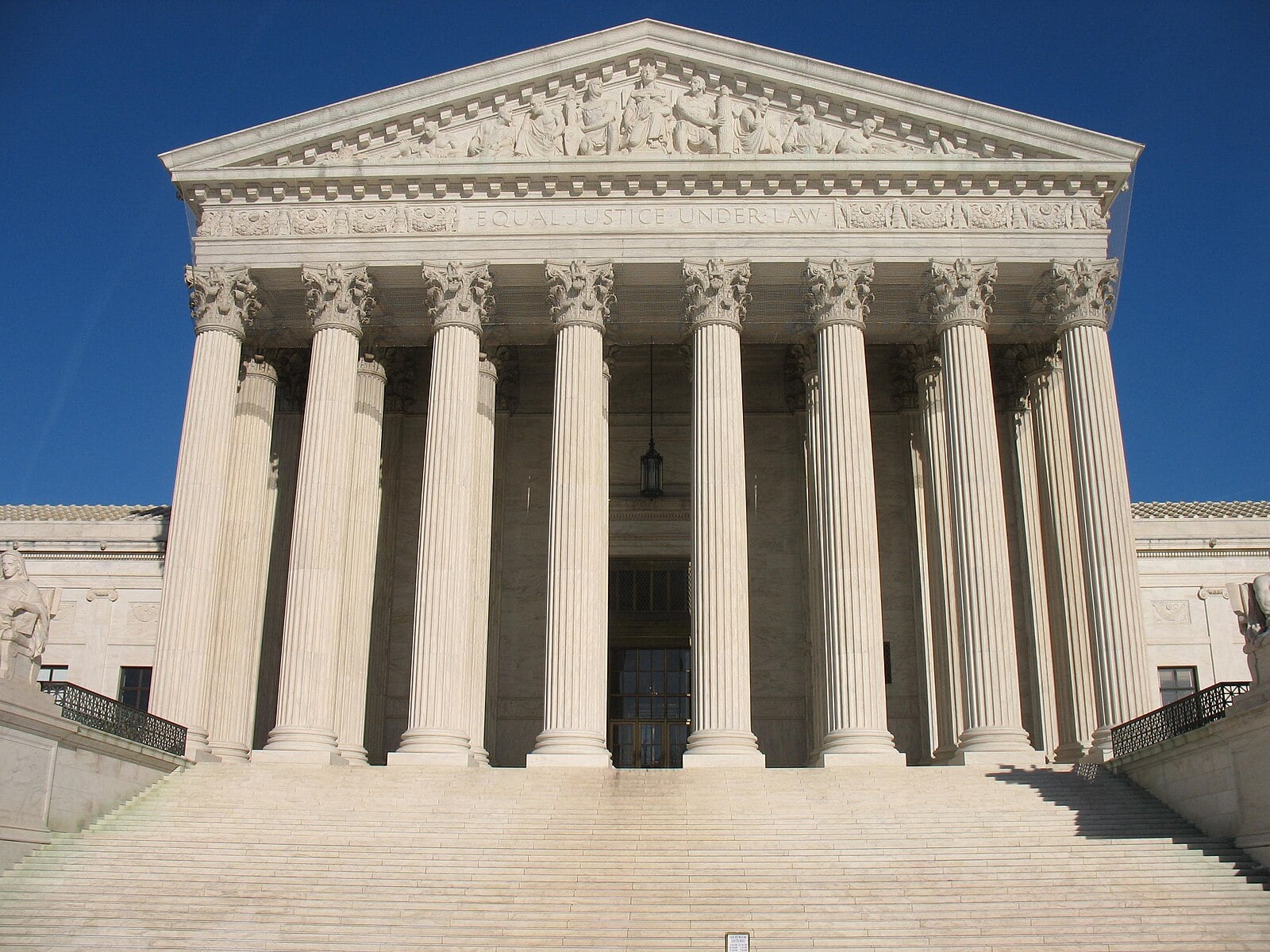
The Supreme Court in Washington on Oct. 9, 2026. Madalina Kilroy/The Epoch Times
Judges cannot completely block federal agency actions through a law commonly used by courts to pause or vacate policies, Trump administration lawyers told the Supreme Court in a new petition for review.
The Administrative Procedure Act (APA) says that courts “shall ... hold unlawful and set aside agency action, findings, and conclusions found to be arbitrary, capricious, an abuse of discretion, or otherwise not in accordance with law.”
Major policies set aside by courts under the law include a mask mandate on airplanes and the IRS sharing data with immigration authorities
“The question is whether the authority to ‘set aside’ agency actions allows federal courts to vacate agency rules as to everyone, including non-parties, and, if so, in what circumstances,” Solicitor General D. John Sauer told the Supreme Court in an Oct. 14 petition.
“The answer is that the APA does not authorize such sweeping relief. Even if the APA authorized universal vacatur in some circumstances, universal vacatur would certainly not be an appropriate ‘default’ remedy.”
The opposing parties in the case, including the Texas Medical Association, have not filed a brief with the Supreme Court, and justices have not responded to the petition as of Oct. 19.
The case was brought after the enactment of the No Surprises Act, which aimed to protect people from surprise medical bills in part by banning receiving care from out-of-network providers or health facilities without notice. Organizations challenged an arbitration process the act made for certain providers, plans, and insurers.
A federal judge in 2023 found violations of the APA, including in an interim final rule and subsequent clarification regarding calculations of money paid through arbitration. An appeals court panel the following year upheld the ruling for two provisions, and reversed it for the arbitration payment calculations. The full U.S. Court of Appeals for the Fifth Circuit then weighed in and said the federal judge ruled correctly.
The full court said that the APA “does not embrace a too-big-to-vacate principle” and that “administrative agencies cannot survive judicial review simply by making mistakes that are so colossal that the sky will fall if a court reviews them.”
Circuit Judge James Ho concurred, but said vacating agency rules for everyone, not just parties, presented similar challenges as universal injunctions, which the Supreme Court restricted in 2025. He quoted a legal scholar who has said that the section of the APA cited by courts “does not direct courts to give universal remedies.” Under circuit precedent, however, Ho said, he joined the majority.
Sauer said in the petition to the nation’s top court that justices should make clear that rulings under the APA should be limited.
“The en banc court held that the APA authorized the district court to vacate certain regulatory provisions wholesale, thus rendering them void as to everyone—even parties not before any court,” he wrote. “The APA does not authorize that relief. Even if the APA did authorize nullification of agency action, that statute does not override traditional equitable principles that would govern such relief—including the principle that relief should ordinarily be party-specific, not universal by default.”