By The Daily Wire (World News) | Created at 2026-06-09 23:26:04 | Updated at 2026-06-10 17:00:46
22 hours ago
By The Daily Wire (World News) | Created at 2026-06-09 23:26:04 | Updated at 2026-06-10 17:00:46
22 hours ago
Armenian Prime Minister Nikol Pashinyan secured re-election Sunday in a closely watched parliamentary vote that could accelerate the country’s shift away from Russia and toward closer ties with the United States and the West.
Pashinyan’s ruling Civil Contract party won nearly 50% of the vote, according to CNN, defeating opposition forces backed by Russian-Armenian billionaire Samvel Karapetyan and preserving the mandate for a foreign policy realignment that has increasingly alarmed the Kremlin.
The election was widely viewed as a referendum on Armenia’s future geopolitical direction. For decades after the collapse of the Soviet Union, Armenia remained one of Moscow’s most reliable partners in the former Soviet space, hosting Russian military forces and relying heavily on the Kremlin for security guarantees.
That relationship began to unravel after Russia failed to prevent Azerbaijan’s military victories over Armenian-backed forces in Nagorno-Karabakh and later failed to stop the collapse of the region’s ethnic Armenian government in 2023. The defeat displaced more than 100,000 Armenians and shattered public confidence in Russia’s ability to protect one of its closest allies.
Since then, Pashinyan has steadily distanced Armenia from Moscow. His government froze participation in the Russian-led Collective Security Treaty Organization, expanded security cooperation with the United States and France, pursued closer relations with the European Union, and opened the door to a historic peace agreement with Azerbaijan.
The Armenian leader campaigned under the banner of a “Real Armenia,” urging voters to move beyond Soviet-era thinking and embrace a more independent future.
The result represents an embarrassing setback for Russian President Vladimir Putin, whose government warned Armenia against deeper integration with Western institutions. In the weeks leading up to the election, Moscow imposed restrictions on Armenian imports while Russian officials repeatedly emphasized the importance of maintaining traditional ties between the two countries.
Rather than reversing course, Armenian voters handed Pashinyan another term.
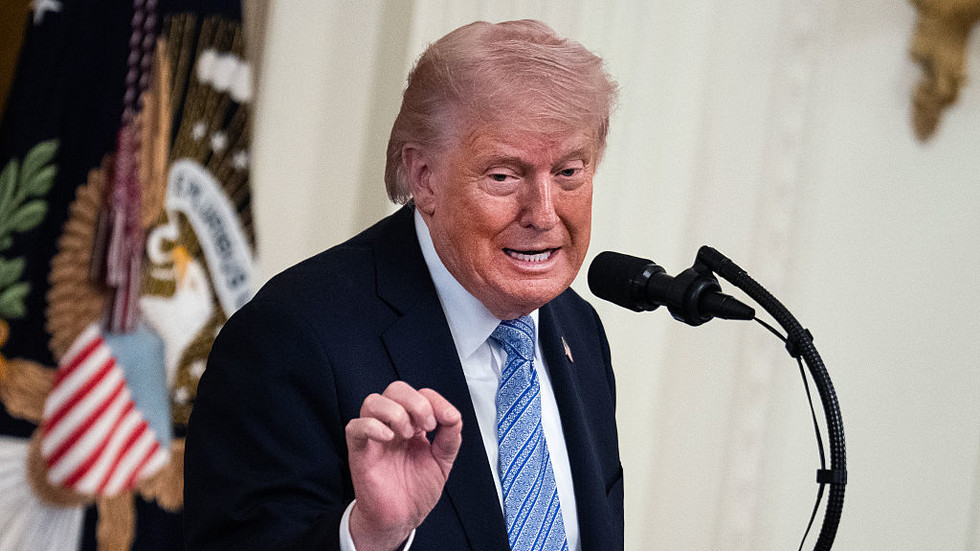
The outcome could also represent a strategic opportunity for the United States. President Donald Trump publicly endorsed Pashinyan ahead of the election and has invested significant political capital in efforts to normalize relations between Armenia and Azerbaijan.
The administration has promoted the proposed Trump Route for International Peace and Prosperity, or TRIPP, a transportation corridor that would connect regional trade routes while reducing dependence on Russian and Iranian transit networks.
If implemented, the project could expand American influence in a region historically dominated by Moscow.
Armenia occupies a critical geographic position between Turkey, Russia, Iran, and Azerbaijan. For decades, that location made it a valuable component of Russian influence in the Caucasus and broader Middle East. A sustained Armenian pivot toward Washington would weaken Moscow’s position while potentially giving the United States a new partner in a strategically important region bordering both Russia and Iran.
Despite the victory, challenges remain for Pashinyan. His coalition retained power but may fall short of the overwhelming parliamentary majority needed to rapidly implement constitutional reforms and fully execute his foreign policy agenda.
Armenia also remains economically dependent on Russia in several sectors, including energy infrastructure, giving Moscow significant leverage should relations continue to deteriorate.
Nevertheless, Sunday’s vote suggests many Armenian voters have little interest in returning to the old arrangement. After Russia failed to deliver on its promises of protection, many Armenians appear willing to continue betting on a future less dependent on Moscow and more closely aligned with the United States and other Western partners.