By New York Post (World News) | Created at 2026-06-20 06:57:48 | Updated at 2026-06-20 08:44:17
1 hour ago
By New York Post (World News) | Created at 2026-06-20 06:57:48 | Updated at 2026-06-20 08:44:17
1 hour ago
US envoy Steve Witkoff and Iranian Foreign Minister Abbas Araqchi were both headed to Switzerland for talks, Axios said on Friday, as a cease-fire in Lebanon appeared to revive efforts to turn an interim Iran war pact into a lasting regional deal.
Israel and Hezbollah agreed to a cease-fire in Lebanon on Friday after escalating fighting cast doubt over US-Iran talks critical to reopening the Strait of Hormuz and stabilizing oil supplies.
That followed a 14-point memorandum the two sides signed this week to halt fighting and open a 60-day window to resolve disputes over Iran’s nuclear program, as well as other thorny issues needed to forge a more durable deal.
US Vice President JD Vance canceled plans on Thursday to travel to Switzerland for the talks, however, amid rising tension in Lebanon between Israel and Hezbollah, a terrorist group backed by Iran.
With the cease-fire in place, Witkoff is heading to Switzerland to join Jared Kushner, President Donald Trump’s son-in-law, who is already there, Axios said. Araqchi plans to travel there on Saturday, it added.
The development may signal that both sides intend to begin technical negotiations aimed at securing a permanent truce.
The White House did not respond to questions about Witkoff’s travel.
A senior US official said the cease-fire took effect around 4 p.m. in Lebanon following an exchange of fire, adding that negotiators for the United States and Qatar had worked out the agreement with help from Iran.
Two sources from Hezbollah and a senior Israeli official confirmed the cease-fire to Reuters.
“If Hezbollah does not attack us, then for us it is not a time of war,” the Israeli official said, adding that Israel would keep its forces in southern Lebanon, where it has occupied an area along its northern border.
Two Lebanese security sources said Israel had carried out a dozen airstrikes in the first hour of the cease-fire but none were recorded after 5 p.m.
Lebanon’s health ministry said Israeli strikes after midnight into Friday had killed 47 people and wounded 97, while the Israeli military said four soldiers had been killed in an incident in Lebanon, without giving further details.
The conflict in Lebanon could weigh on negotiations because ending fighting there is a condition for the broader US-Iran accord.
TOUGH ISSUES STILL UNRESOLVED
Following Wednesday’s signing of the memorandum of understanding, preparations for technical talks at the Swiss mountaintop resort of Buergenstock were well advanced when the White House said on Thursday that Vance would not attend.
The Swiss foreign ministry said the talks had been postponed but Switzerland stood ready to facilitate them and preparatory work was continuing.
The broad interim deal requires the United States, Iran and their allies to declare an immediate and permanent termination of military operations on all fronts, including in Lebanon.
Israel, left out of the talks, says it is not party to the deal.
Araqchi, in a telephone call with his Pakistani counterpart on Friday, said the United States would be responsible for any violation of its commitments under the deal, including ending the fighting in Lebanon, his ministry said.
NEW ROUND OF ISRAEL-LEBANON TALKS DISCUSSED
Lebanon was sucked into the regional war when Hezbollah opened fire at Israel on March 2, prompting it to launch an offensive against the group and invade the south of the country.
Lebanese President Joseph Aoun condemned the latest Israeli attacks but said the escalation would not hinder efforts to reach a comprehensive cease-fire.
The US State Department said Secretary of State Marco Rubio spoke to Aoun and reiterated the need to disarm Hezbollah, while reaffirming US support for a “fully sovereign” Lebanese state.
It said they also discussed holding a next round of Israel-Lebanon negotiations in Washington from June 23 to June 25. The Lebanese presidency said a comprehensive cease-fire was a fundamental pillar for these talks.
TRUMP DEFENDS INTERIM DEAL
The Iran war, which began on February 28 with US and Israeli air attacks on Iran, has killed at least 7,000 people, mostly in Iran and Lebanon. It also pushed up energy prices, stoking inflation worldwide.
Brent crude ticked higher on Friday, but was set for a weekly fall of about 8% after the Lebanon cease-fire, and oil shipments through the Strait of Hormuz picked up after the signing of this week’s deal.
The strait carried nearly a fifth of global crude oil and liquefied natural gas supplies before it was blockaded by Iran during the war.
The body set up by Iran to manage the strait said on Friday it would waive planned fees during the interim deal’s negotiation period.
The MoU foresees relief for Iran from economic sanctions, the unfreezing of assets worth tens of billions of dollars and immediate US waivers for its exports of oil. It also provides for a $300-billion reconstruction fund for Iran and other financial incentives.
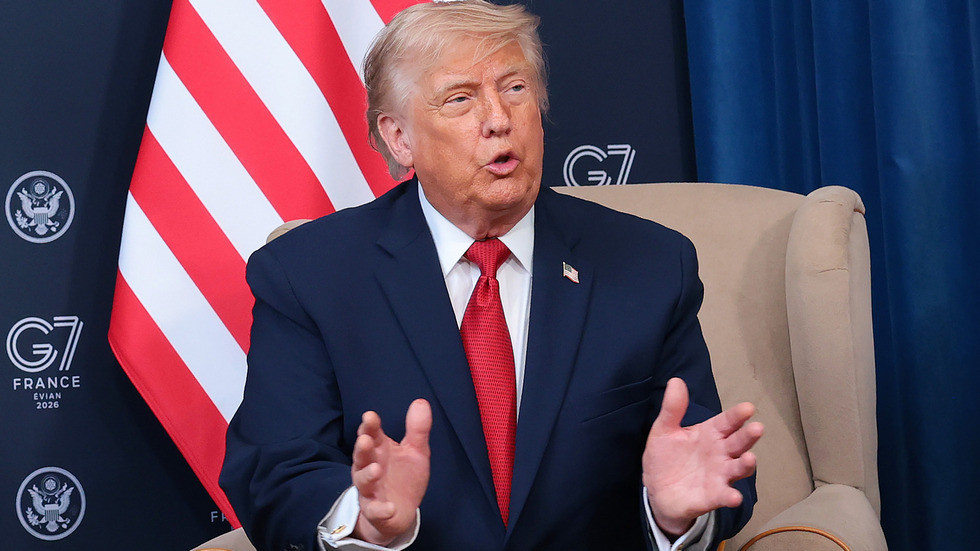
Trump again defended the deal after criticism in Washington, including some from Republican allies in Congress who question whether he conceded too much to end a war unpopular with most Americans ahead of midterm elections in November.
“The War has diminished Iran!” he wrote on social media on Friday, adding, “We didn’t meet out of desperation, Iran did. They are FINISHED! We’ll play out the 60 days. They get no money, not 10 cents!”