By The American Tribune | Created at 2026-09-28 10:21:12 | Updated at 2026-09-28 18:37:17
8 hours ago
By The American Tribune | Created at 2026-09-28 10:21:12 | Updated at 2026-09-28 18:37:17
8 hours ago
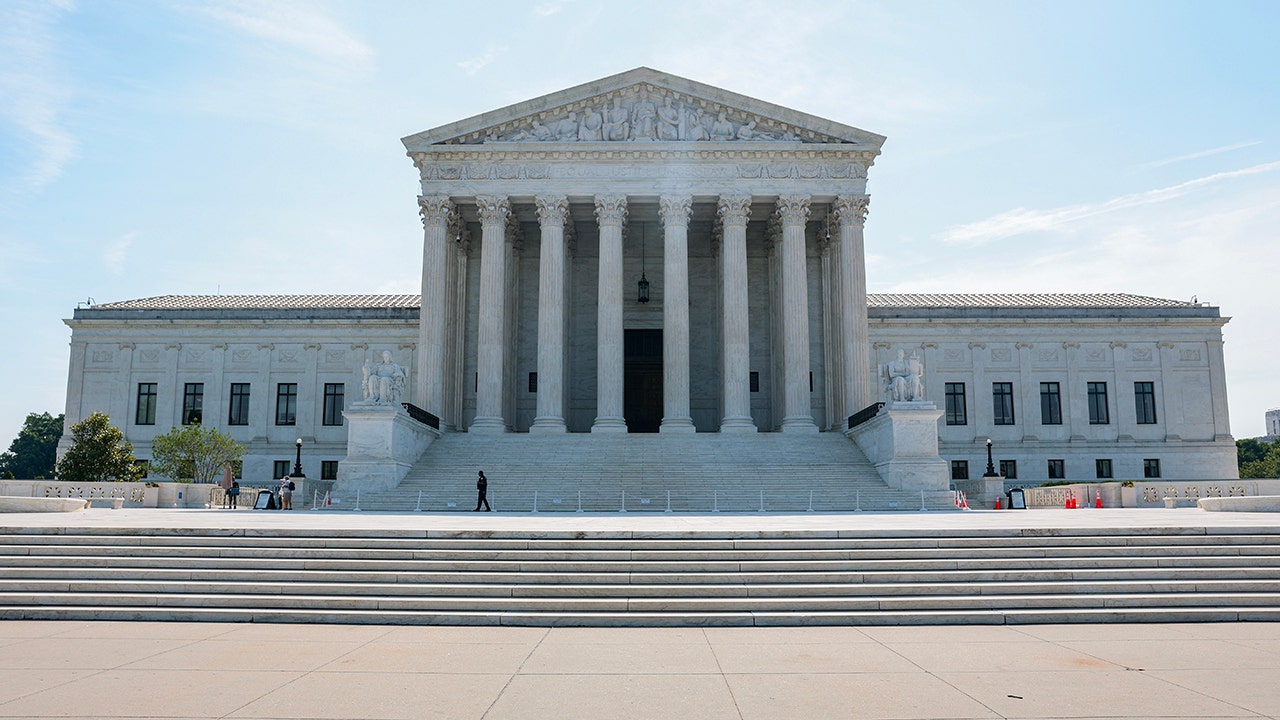
President Donald Trump scored a major legal win Friday when the Supreme Court cleared his administration to resume offering states its revamped SAVE database for voter citizenship checks. The emergency order lifts a lower court’s ban ahead of the November midterms. States that choose to participate can again use the federal tool to examine voter registrations for potential noncitizens while the lawsuit over the program continues.
The ruling concerns Systematic Alien Verification for Entitlements, or SAVE, a Department of Homeland Security program that helps government agencies verify immigration and citizenship information. The Trump administration expanded its search capabilities so state election officials could check voter registrations against federal records. The administration says those checks give states another way to identify people who are ineligible to vote before ballots are cast.
A federal judge blocked the revamped program in June after voting-rights and privacy groups challenged the changes. U.S. District Judge Sparkle L. Sooknanan concluded that the administration had violated federal privacy protections and that erroneous results could put lawful registrations at risk. An appeals court left her order in place. The administration then asked the Supreme Court to intervene before the midterm elections.
The justices granted that emergency request. As the Associated Press reported, the majority pointed to a 1996 law that expressly permits DHS to obtain citizenship and immigration information from other federal agencies. The court also said the federal government has “an obligation to respond” when states seek help verifying citizenship. Its order allows DHS to use the version of SAVE it considers best suited to that work while the case proceeds.
The decision temporarily suspends the restrictions the administration had faced since June. It allows participating states to run citizenship checks through the expanded system again, although it doesn’t require any state to use SAVE, nor is the emergency order a final ruling on the legality of the administration’s changes. For now, however, the federal government can provide the tool that the lower court had barred.
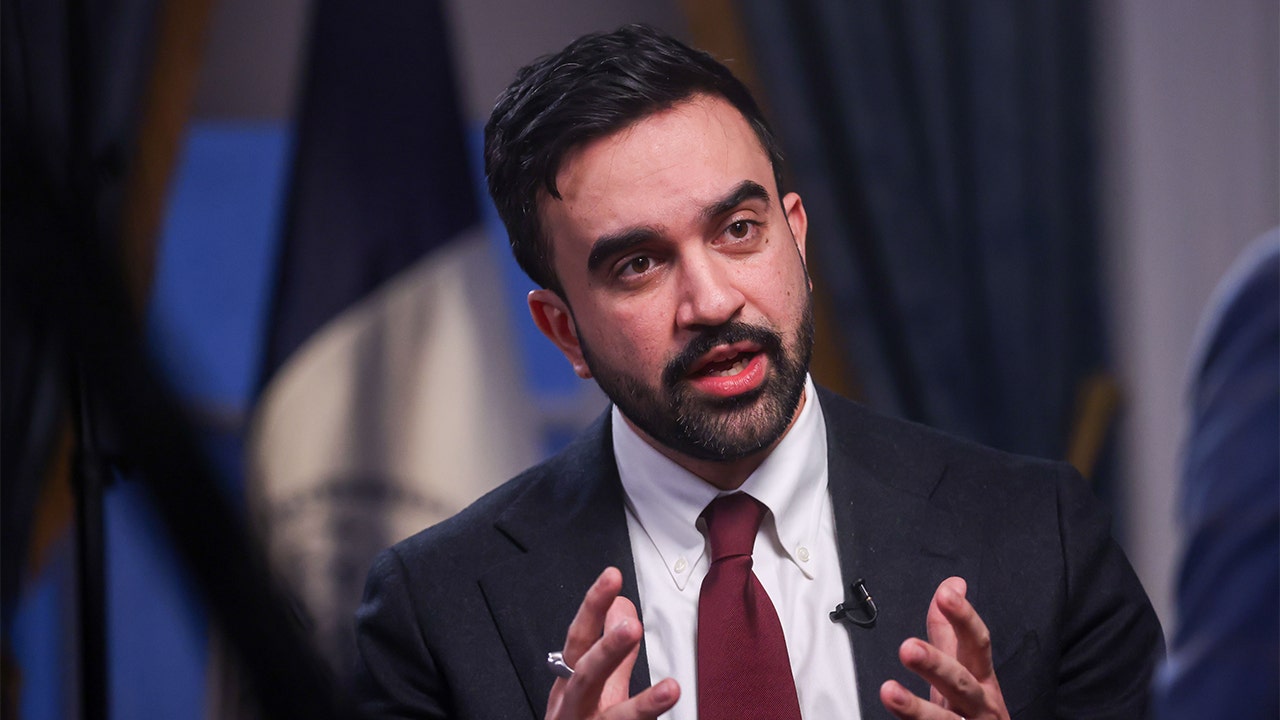
DHS general counsel James Percival welcomed the decision on X. He said the administration had gone to the Supreme Court so it could “use government data to help states stop noncitizens from illegally voting.” The administration has made citizenship verification a central part of its election efforts, and the order restores an option it had urged states to use. The White House didn’t immediately respond to the AP’s request for comment.
The court’s three liberal-leaning justices publicly dissented, with Justice Ketanji Brown Jackson, joined by Justices Elena Kagan and Sonia Sotomayor, arguing that privacy law restricts the program and that mistakes could affect eligible voters. Those concerns remain part of the underlying case, which will continue after Friday’s order. The plaintiffs said they intend to keep fighting for the lower court’s decision.
"*" indicates required fields
SAVE results also require scrutiny by the officials using them. In Travis County, Texas, officials investigated 97 registrations flagged as apparent noncitizens and found that at least 10%, and possibly up to 21%, belonged to U.S. citizens. A flag is therefore a signal for further investigation, not proof in itself that someone registered illegally. Travis County opposed the administration’s Supreme Court request, while the state of Texas filed a brief defending the database.
The order’s effect in November will depend in part on which states choose to use SAVE. Federal law generally restricts systematic voter-roll removals close to an election, and Maine Secretary of State Shenna Bellows has said her state will not change its procedures because of the ruling. At least 67 million registrations had been scanned through the expanded program before the decision.