By The Rio Times | Created at 2026-08-18 06:02:06 | Updated at 2026-08-18 06:45:41
56 minutes ago
By The Rio Times | Created at 2026-08-18 06:02:06 | Updated at 2026-08-18 06:45:41
56 minutes ago
Uganda · GOVERNANCE
Key Facts
—The crackdown: Local Government Minister Balaam Barugahara Ateenyi has placed around 110 local government staff under interdiction or formal disciplinary process across multiple districts.
—The court cases: Balaam said 19 staff had already been sent to the Anti-Corruption Court, with multiple arrests made and some suspects still on the run.
—The mechanism: Interdiction is a temporary suspension under the Uganda Public Service Standing Orders 2021, Section (F-s), typically lasting six months with 50 percent of basic salary paid.
—The Mbarara losses: Officials in Mbarara City were accused of causing government losses exceeding UGX 928 million (about US$244,000) through property tax mismanagement and irregular contractor payments.
—The districts covered: Inspection tours have covered Moyo, Maracha, Pakwach, Mbale, Namisindwa, Bulambuli, Isingiro, Sembabule, Mitooma, Mbarara City, Fort Portal and Masaka.
—The campaign name: The drive is framed as a national “Expose the Corrupt” campaign coordinated with the State House Anti-Corruption Unit and the Ministry of Local Government’s Permanent Secretary.
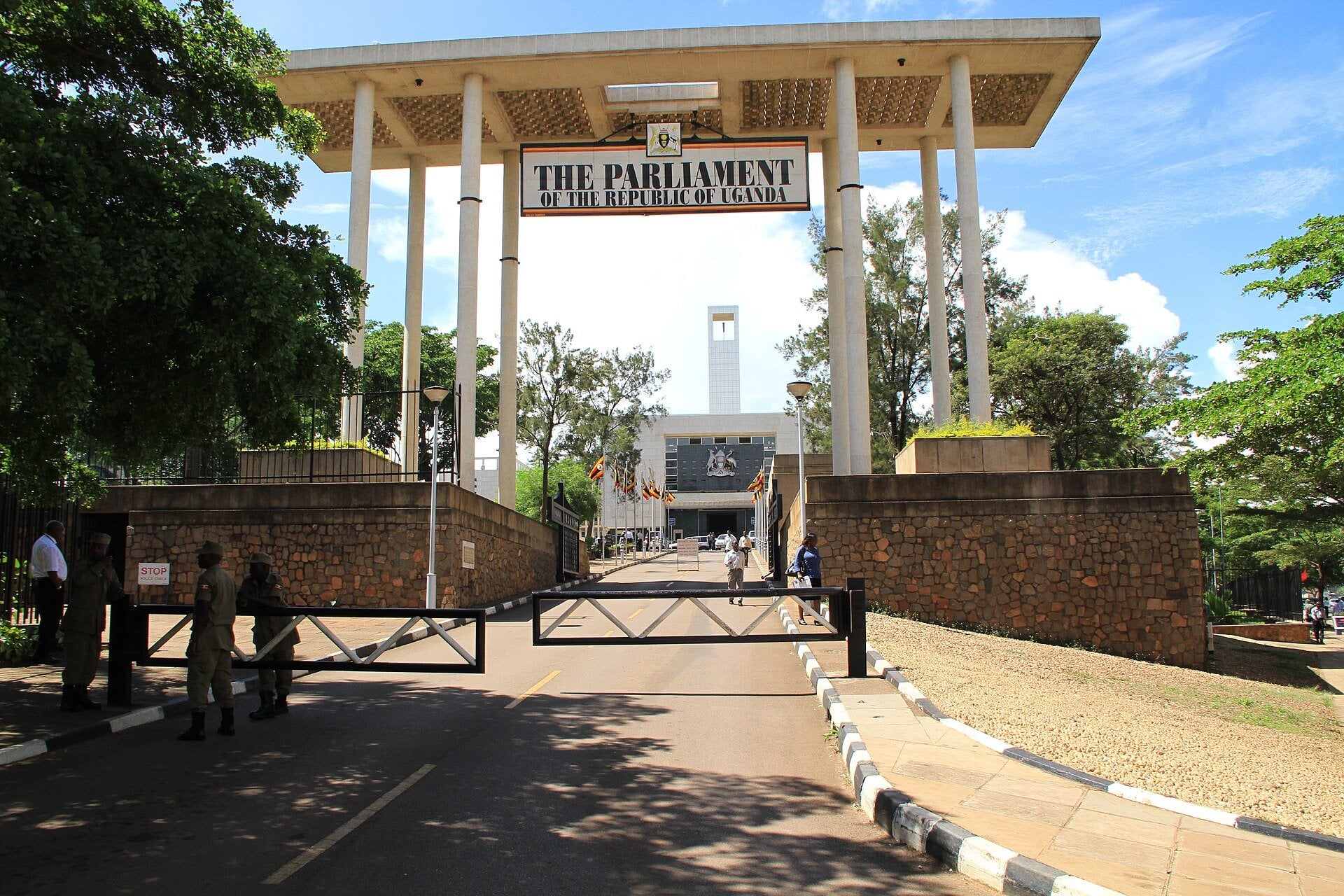
Uganda’s Balaam corruption crackdown has placed around 110 local government staff under interdiction or formal disciplinary process, with 19 already sent to the Anti-Corruption Court. The campaign targets alleged embezzlement, ghost workers, misuse of public funds and failed infrastructure projects across at least 12 districts.
One-stop reference
Company Intelligence
Every listed company in Latin America — financials, ownership and structure for 1,450+ companies across 26 exchanges, in one place.
The scale of the Balaam corruption crackdown
Local Government Minister Balaam Barugahara Ateenyi has emerged as the public face of one of Uganda’s most sweeping local-government anti-graft drives in recent years. Working alongside State Minister for Local Government Justine Nameere, he has led inspection tours across Moyo, Maracha, Pakwach, Mbale, Namisindwa, Bulambuli, Isingiro, Sembabule, Mitooma, Mbarara City, Fort Portal and Masaka.
The inspections have uncovered ghost workers on local government payrolls and ghost pupils in government schools. They have also exposed procurement irregularities, systemic absenteeism and poorly implemented infrastructure projects.
Balaam stated that the crackdown had already led to multiple arrests of local government officials, technical officers and frontline staff. He said 19 staff had been sent to the Anti-Corruption Court, while some suspects remained on the run.
How interdiction works under Ugandan law
Interdiction in Uganda is a formal temporary suspension governed by the Uganda Public Service Standing Orders 2021, Section (F-s). It allows investigations into gross misconduct, corruption or criminal allegations while the official is removed from office.
The suspension typically lasts six months. Interdicted staff receive 50 percent of their basic monthly salary during this period.
They are barred from visiting work premises without authorisation and cannot leave the country or jurisdiction without permission. Orders are frequently given on the spot during district tours, then formalised by Permanent Secretary Ben Kumumanya through written directives to Chief Administrative Officers.
Mbarara City and the UGX 928 million loss
Mbarara City has become a showcase for the campaign. On 4 August 2026, Balaam ordered the interdiction and arrest of Town Clerk Justine Barekye, her deputy Simon Ejua and City Engineer Hillary Mugisha over alleged financial mismanagement and irregularities in city contracts.
One report states that 12 Mbarara City officials were subsequently interdicted and two senior administrators arrested. The list includes trade officer Allan Karakure, natural resources officer Sancho Niwagaba, community development officer Mirabel Kabegairire, finance officer Duncan Kamugisha, procurement officer Edgar Atwiine, senior probation officer Henry Mushabe, contractor Johnson Katongole, revenue officer Samuel Rwakingana and a city health official.
Investigative reporting found that Mbarara City officials were accused of causing government losses exceeding UGX 928 million (about US$244,000). The losses stemmed from property tax mismanagement and irregular payments to a road contractor.
District-level cases from Mitooma to Namisindwa
In Mitooma District, eight senior staff were interdicted after Balaam’s visit in early August 2026. Chief Administrative Officer Masereka Amis Asuman wrote to the Ministry’s Permanent Secretary on 8 August ordering interdiction “with immediate effect” following public complaints.
The Mitooma list includes District Health Officer Dr Sadic Byamugisha, District Education Officer Barungi Peace Gloria, Civil Engineer Eng Godfrey Tumusiime, Senior Environment Officer Godwin Kagumire, Senior Assistant Secretary Vincent Rugamba, Driver Godfrey Mugumya, Medical Officer Dr Patrick Oloya and Acting District Engineer John Baptist Tumwebaze.
In Bulambuli District, Permanent Secretary Ben Kumumanya ordered the interdiction of four senior staff on 13 July 2026. They were District Engineer Paulo Walimbwa, Bulambuli Town Council Town Clerk Joseph Magona, Town Council Engineer Okiror and Senior Medical Officer Dr Muhammad Mulongo.
In Namisindwa District, six senior officials were interdicted via a 24 July 2026 letter. They included Senior Agricultural Officer David Mityero, Senior Inspector of Schools William Lusayi, two senior assistant town clerks, Civil Engineer Eng Robert Mukelule Tululukha and Assistant Engineering Officer Michael Ken Musau.
The “Expose the Corrupt” campaign and State House power
Across reports, Balaam’s drive is consistently framed as a national “Expose the Corrupt” campaign. It operates under the State House Anti-Corruption Unit, which conducts investigations and receives complaints before recommendations are sent to the Ministry of Local Government’s Permanent Secretary.
Balaam has emphasised that interdictions are designed to “allow investigations to proceed independently and without interference”. He has also stressed that named officials are “suspects, not convicted persons”.
The campaign reinforces a centralised, presidentially aligned anti-graft architecture. It strengthens executive control over local governments while raising questions about the selectivity of enforcement and the political uses of anti-corruption narratives ahead of future electoral cycles.
Business, investment and the governance signal
For companies and investors, the crackdown may temporarily disrupt local procurement processes and increase scrutiny on contractors. Repeated mentions of shoddy works, unfinished projects and irregular payments suggest systemic procurement capture in district projects.
Over the medium term, consistent enforcement could reduce corruption risk and create a more predictable environment for infrastructure and service-delivery contracts. Fixing property tax leakages could also raise local revenue, giving city authorities greater capacity to co-finance infrastructure.
The campaign fits a broader pattern across African states using anti-graft drives to reassure donors, lenders and investors about governance standards. Uganda competes with Kenya, Tanzania and Rwanda for infrastructure finance and foreign direct investment, and visible crackdowns feed into narratives of improved public financial management.
The key question for external financiers is whether systemic reforms such as e-procurement, independent audit and transparent data follow these high-profile actions. For deeper context on how governance and resource competition are reshaping the continent, see Africa: The New Scramble.
Frequently Asked Questions
How many local government staff face interdiction in Uganda’s crackdown?
Around 110 local government staff face interdiction or formal disciplinary process, with 19 already sent to the Anti-Corruption Court.
What does interdiction mean for Ugandan public servants?
Interdiction is a temporary suspension under the Uganda Public Service Standing Orders 2021, Section (F-s), typically lasting six months with 50 percent of basic salary paid.
Which districts are covered by Minister Balaam’s corruption crackdown?
Inspection tours have covered Moyo, Maracha, Pakwach, Mbale, Namisindwa, Bulambuli, Isingiro, Sembabule, Mitooma, Mbarara City, Fort Portal and Masaka.
Connected Coverage
For broader analysis of how governance, resource competition and external partnerships are reshaping African states, read Africa: The New Scramble.
Sources
This article was produced by The Rio Times’ automated newsroom system. How we use AI · Report an error
LatAm Markets: Live Signals → — real-time movers, turnover leaders and FX across Latin America.
The Rio Times · Power Map
See who really holds power in Latin America
Click to open the Power Map →