By Bitcoin News | Created at 2026-09-18 05:39:04 | Updated at 2026-09-18 09:52:58
4 hours ago
By Bitcoin News | Created at 2026-09-18 05:39:04 | Updated at 2026-09-18 09:52:58
4 hours ago
Published:Sep 18, 2026, 1:30 AM EDT
A cross-party House of Lords committee has told the UK government to ban almost all gambling advertising as soon as it is “practicable” to do so, and to abandon its objective of growing the sector along the way. The industry’s lobby group, the Betting and Gaming Council, immediately called the report “deeply misguided.”
Published: Sep 18, 2026, 1:30 AM EDT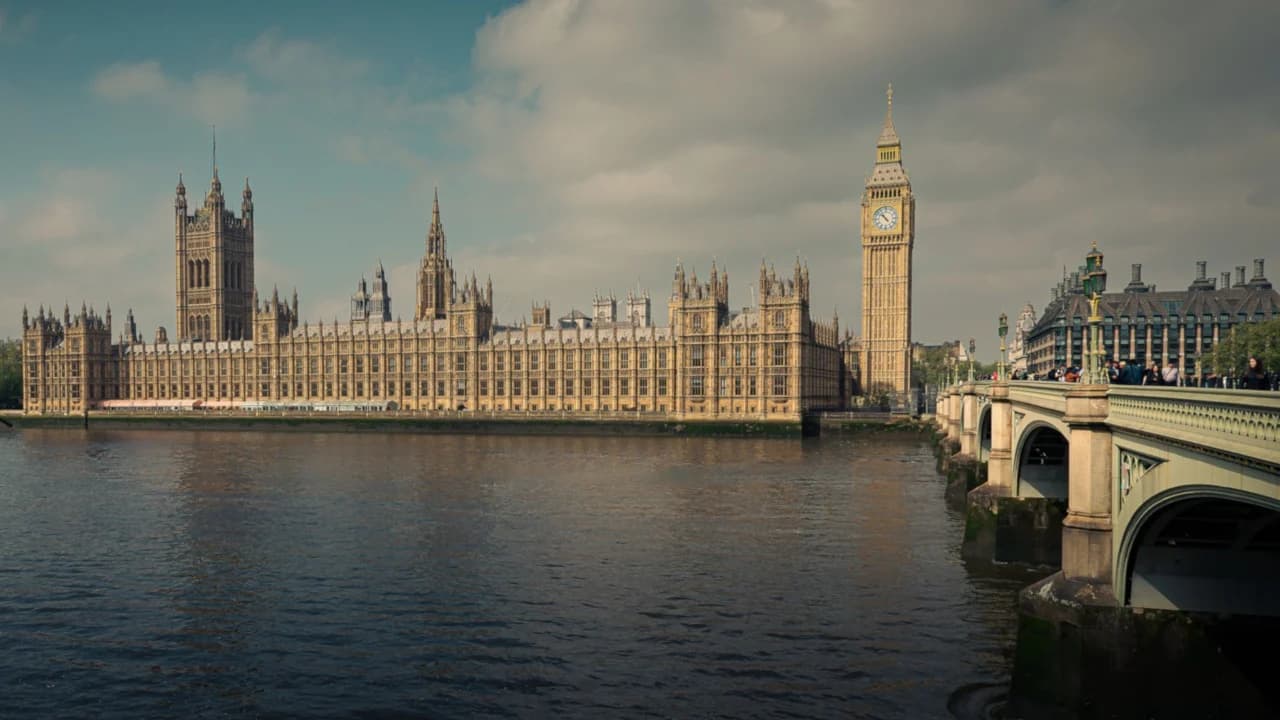
Key Takeaways
- Lords committee says a near-total gambling advertising ban is the most effective way to cut harm.
- It also tells the government to abandon its objective of growing the gambling industry.
- The Betting and Gaming Council called the report deeply misguided, citing the illegal market.
A Ban Designed to Shrink the Sector
The House of Lords Liaison Committee published its report on Wednesday, concluding that a comprehensive ban on gambling advertising, marketing and sponsorship would be the most effective way to reduce harms, including financial ruin, relationship breakdown and suicide. The committee said the government had been “too passive” in response to an explosion of digital advertising and social media influencers promoting the gambling sector. Bookmakers, slot machine venues and casinos won $16.9 billion (£12.6 billion) from customers in Great Britain last year, with official statistics putting the number of people with a gambling problem at up to 1.4 million.
Alongside the advertising recommendation, the report also bluntly suggests that the government should drop the aim of facilitating growth in the gambling sector outright. The committee found that the proposed ban would shrink the sector but argued that this would be offset over the longer term as money previously spent on gambling would be diverted into other parts of the economy. Lord Foster of Bath, one of the report’s authors, said research estimates that a 10% reduction in gambling spending could raise gross value added by $1.7 billion (£1.25 billion) and create more than 22,000 jobs.
The committee asked for gambling operators to be removed from the shirts and training kits of sports teams and from sports grounds and venues entirely, alongside strict restrictions on gambling advertising within televised sports broadcasts, including on-demand. This would go far beyond the industry’s voluntary “whistle to whistle” ban, which only covers the duration of a televised fixture. The report also calls for comprehensive bans on direct marketing, content marketing and inducements, among other recommendations – including that all gambling advertising fall under a single statutory regulator rather than the current split between the Advertising Standards Authority and the Gambling Commission.
The Betting and Gaming Council (BGC) dismissed the report, arguing that a ban would benefit the illicit market, which would keep advertising regardless. “A blanket advertising ban would remove a key competitive advantage of being licensed and regulated while doing nothing to stop illegal operators targeting British consumers,” BGC chief executive Grainne Hurst said. The trade body has estimated that half the money now spent advertising gambling to British consumers comes from unlicensed operators, a claim it put to Parliament in April alongside its estimate of illegal Premier League wagering. In evidence to the committee, the BGC cited a World Advertising Research Centre study putting regulated-sector ad spend at roughly $1.5 billion (£1.1 billion) against $1.07 billion to $1.2 billion (£800 million to £900 million) for the unlicensed sector, and said its members would voluntarily cut advertising spend and volume by about 10%.
Vaughan Lewis of Teise Advisory, appearing on the same panel, told the committee that the tighter the restrictions, the greater the leakage to the black market, and put illegal online staking at roughly $22.7 billion (£17 billion) this year, doubling within two. He said unlicensed sites market themselves on the absence of know-your-customer checks to pull in customers frustrated by compliance in the regulated market. Foster called the illicit market a “legitimate concern” but said that “should not deflect us from the need to address the harm that is being created by the legal market.” The committee’s own finding was that it had not received strong evidence that an advertising ban would push customers toward the black market, and it conceded that establishing a definitive causal link between advertising and harm presents major and intrinsic methodological challenges – but it did conclude that the government’s demand for causal proof sets a largely unattainable standard.
Gambling minister Baroness Twycross told the committee in June that the government has no plans to legislate on advertising restrictions and is in conversation with the BGC about voluntary measures, while confirming it wants to see the licensed sector grow. The sector is already bracing for tax changes under Prime Minister Andy Burnham, who, as mayor of Greater Manchester, said he wanted to “relegate gambling sponsorship of sport to the history books” and who moved to scrap a gambling duty he had lobbied against after taking office. Separately, the Financial Conduct Authority is revisiting the 2019 ban that keeps prediction markets out of the UK.