 By The European Times | Created at 2026-07-30 07:41:15 | Updated at 2026-08-05 11:27:42
6 days ago
By The European Times | Created at 2026-07-30 07:41:15 | Updated at 2026-08-05 11:27:42
6 days ago
Russian missiles and drones hit cities from Kyiv to Lviv, drawing Poland into airspace precautions and renewing Kyiv’s plea for interceptors
Russia launched another overnight wave of missiles and drones across Ukraine on Thursday, killing civilians, damaging residential areas and forcing thousands into shelters. The attack, reported from Kyiv, Kryvyi Rih, Poltava and Lviv, again turned Ukraine’s air-defence shortage into a European security issue, as Poland scrambled aircraft near its eastern border and Kyiv pressed allies for faster protection against ballistic missiles.
The assault began in the early hours of 30 July, after Ukrainian President Volodymyr Zelenskyy warned that Moscow appeared to be preparing a large-scale attack. Air raid alerts spread across much of the country, with explosions reported in central, northern and western regions, including areas far from the front line.
Casualty figures were still being revised on Thursday morning as emergency crews searched damaged buildings. The Kyiv Independent reported that early official updates put the toll at at least eight dead and 30 injured across several regions. Later reports said the number of people killed had risen to at least 13, including children.
Civilians again in the line of fire
In Kyiv, authorities reported one confirmed death and fires in several districts after debris and strikes hit urban areas. Residents spent the night in metro stations and shelters, a pattern that has become grimly familiar as Russia has increased large combined attacks designed to stretch Ukraine’s defences.
The deadliest reported strike was in Kryvyi Rih, Zelenskyy’s home city, where local officials said a ballistic missile hit a private home. Children were among those killed and injured. In Lviv, close to the Polish border, missiles damaged apartment buildings and rescue workers searched rubble for trapped residents.
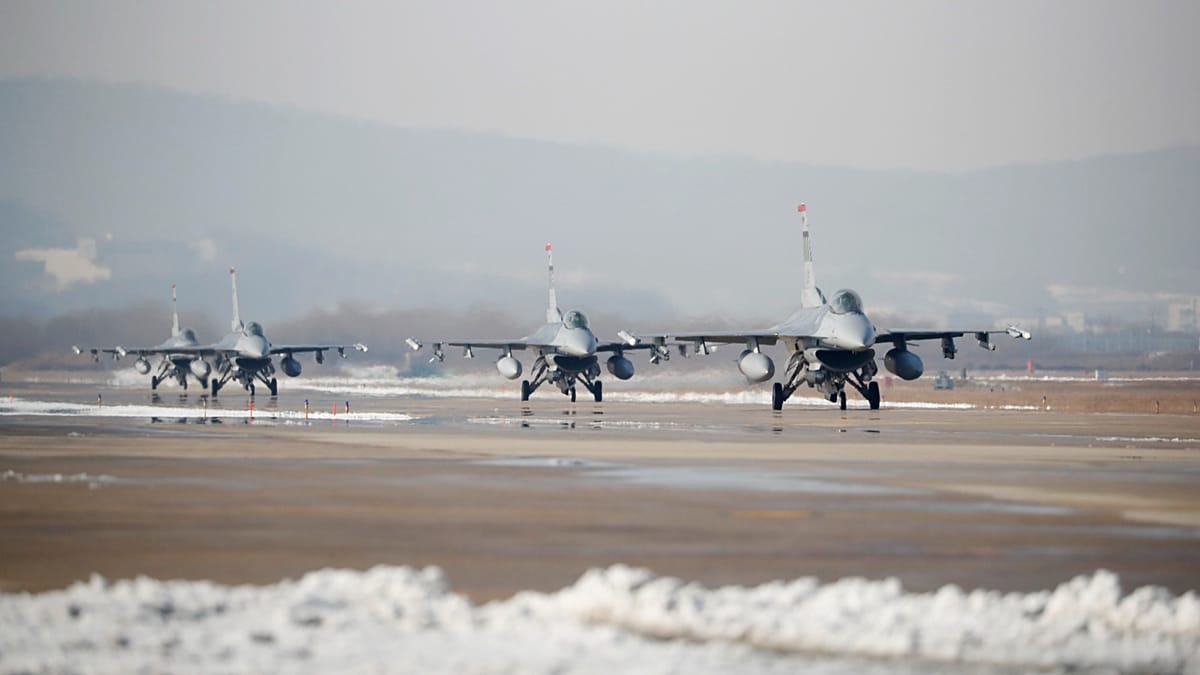
The Guardian reported that Poland scrambled fighter jets and readied air-defence systems during the attack, after Ukrainian cities near NATO territory came under fire. Polish military precautions have become a recurring part of Russia’s wider air campaign, reflecting how missile and drone attacks on Ukraine can create immediate risks beyond Ukraine’s borders.
Air defence as civilian protection
Kyiv has repeatedly asked partners for more Patriot missiles and other systems capable of intercepting ballistic threats. Ukrainian officials argue that without sufficient interceptors, shelters, firefighters and emergency medics become the last line of protection for civilians rather than a backup to effective air defence.
That argument is increasingly heard in European capitals not only as a military request, but as a civilian-protection demand. Apartment blocks, postal terminals, power infrastructure and shelters are not abstract strategic targets for the people living beside them. Each attack also tests emergency services, local administrations and the resilience of communities already exhausted by years of war.
The European dimension is also practical. Previous reporting by The European Times on drone incursions and border security noted that air defence has become inseparable from public safety in EU frontier states. When missiles and drones cross or approach border regions, the issue moves quickly from foreign policy into the protection of civilian airspace, transport networks and local populations.
A narrowing margin for delay
The latest attack came after renewed diplomatic efforts around Ukraine’s defence needs, including discussions over Patriot interceptors and possible future air-truce proposals. Yet the events of Thursday morning showed the immediate gap between diplomatic language and the speed of attacks on Ukrainian cities.
For Europe, the question is no longer whether air defence is relevant to civilian security. The evidence is visible after every night of explosions: families in shelters, emergency crews at damaged homes, and neighbouring states taking precautions to prevent spillover. The harder question is whether allied support can move fast enough to reduce the human cost before the next barrage arrives.