By The Straits Times | Created at 2026-07-28 14:56:44 | Updated at 2026-07-28 15:51:14
57 minutes ago
By The Straits Times | Created at 2026-07-28 14:56:44 | Updated at 2026-07-28 15:51:14
57 minutes ago
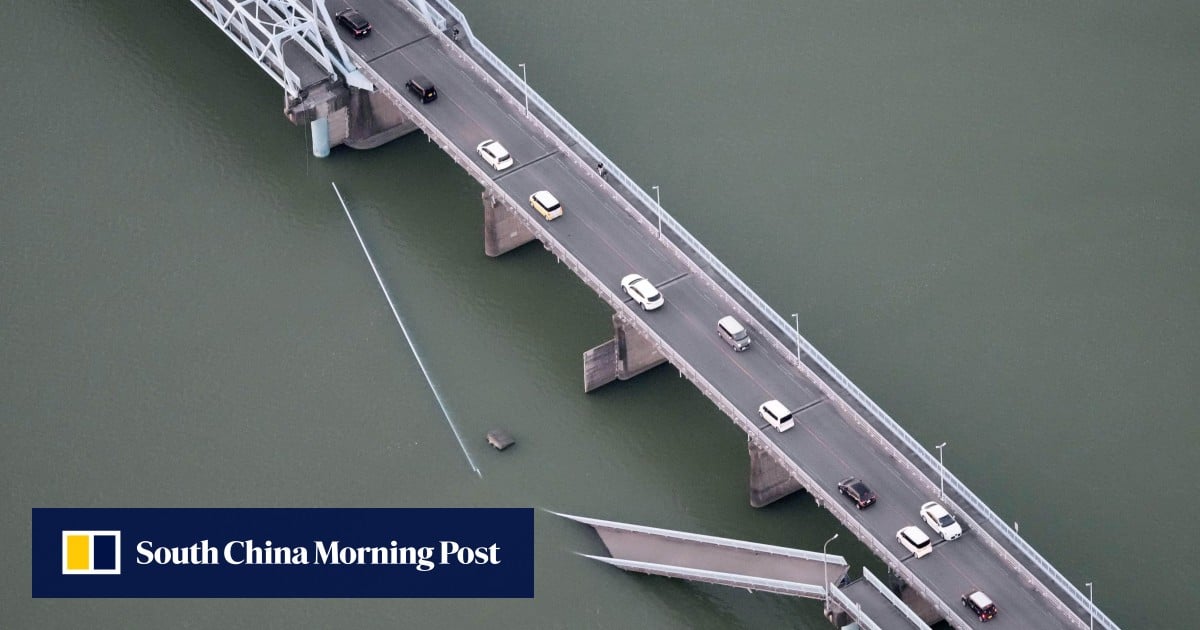
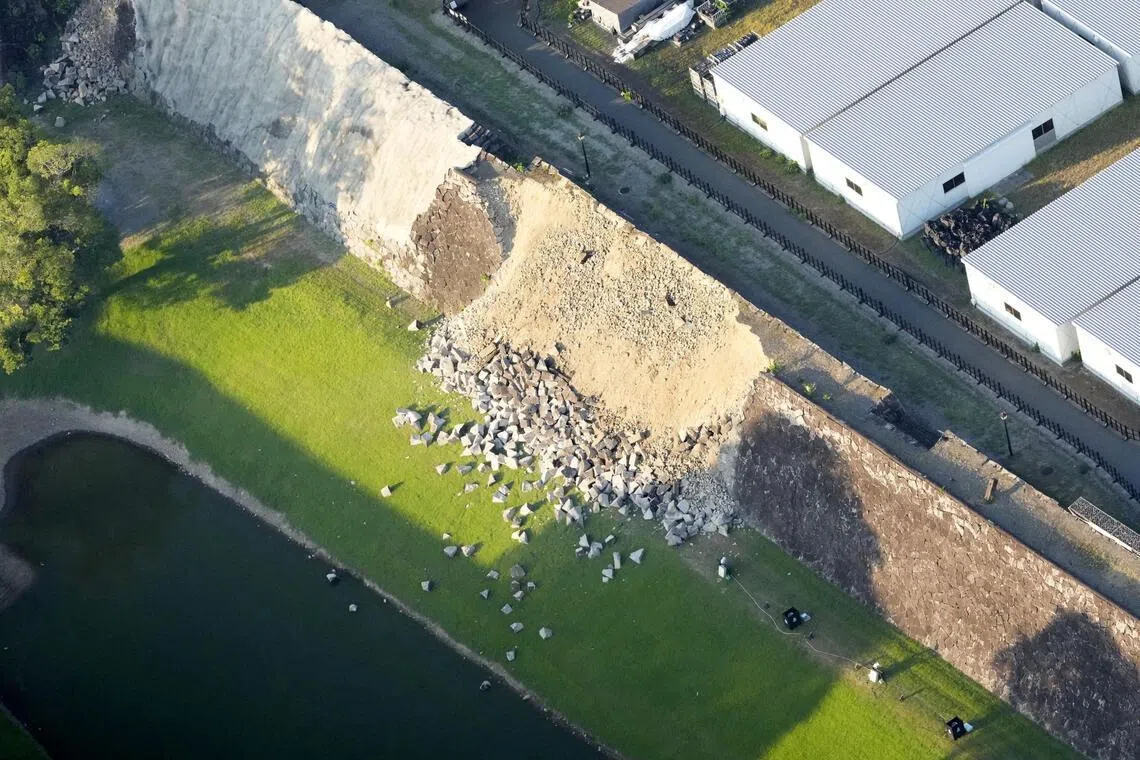
TOKYO – A powerful earthquake that struck south-western Japan on July 28 is likely to have been caused by a fault left unruptured in twin temblors that struck almost the same region a decade ago, experts say, warning that strong seismicity may continue.
The focus of the latest quake, which had a magnitude of 7.1 and originated in Kumamoto Prefecture, was not far from the epicenters of similar inland temblors of magnitude 6.5 on April 14, 2016, and magnitude 7.3 two days later.
All three quakes registered a maximum 7 on Japan’s seismic intensity scale in parts of the prefecture. The 2016 temblors devastated the region and left more than 270 people dead.
Several active fault zones, including the Hinagu and Futagawa fault zones that triggered the 2016 quakes, run across central Kyushu.
Experts have repeatedly pointed out that the southern part of the Hinagu fault zone, which extends to the nearby Yatsushiro Sea, had been left almost unbroken after the temblors 10 years ago.
Shinji Toda, a professor of seismology at Tohoku University, has found that the number of temblors measuring magnitude 1.5 or greater has more than doubled from before the 2016 quakes, based on his analysis of seismic activities near the Hinagu fault zone over the past decade.
“It is believed that the 2016 earthquake caused a significant strain and stress, resulting in movements along part of the Hinagu fault zone” this time, Toda said, adding that they share a common mechanism.
According to the Japan Meteorological Agency, the July 28 4.27pm quake occurred at a depth of 16km and along a “strike-slip” fault, where two adjacent areas move against each other horizontally, like the 2016 temblors. KYODO NEWS