By The Rio Times | Created at 2026-09-04 09:36:34 | Updated at 2026-09-04 10:18:40
1 hour ago
By The Rio Times | Created at 2026-09-04 09:36:34 | Updated at 2026-09-04 10:18:40
1 hour ago
Haiti · MIGRATION
Key Facts
- —What happened US deported 101 people to Haiti on a charter flight on September 3, 2026.
- —Where it landed The plane landed in Cap-Haïtien, not Port-au-Prince, due to security concerns.
- —The pattern This was the third consecutive Thursday deportation flight, marking a shift to weekly flights.
- —The catch The US State Department advises Americans not to travel to Haiti at all.
- —Who it hits Deportees include men and women, but whether children were aboard is not known.
- —What comes next Nearly 200,000 people have been forcibly returned to Haiti in 2026 so far.
The United States flew more than 100 deportees to Haiti on Thursday, even as its own advisory tells Americans not to travel there. The flight landed in Cap-Haïtien, not the capital, because of gang violence.
One-stop reference
Company Intelligence
Every listed company in Latin America — financials, ownership and structure for 1,450+ companies across 26 exchanges, in one place.
The United States deported 101 people to Haiti on a charter flight on Thursday, September 3, 2026. This deportation flight to Haiti landed in Cap-Haïtien, not the capital, because of gang violence.
Flight Details and Weekly Pattern
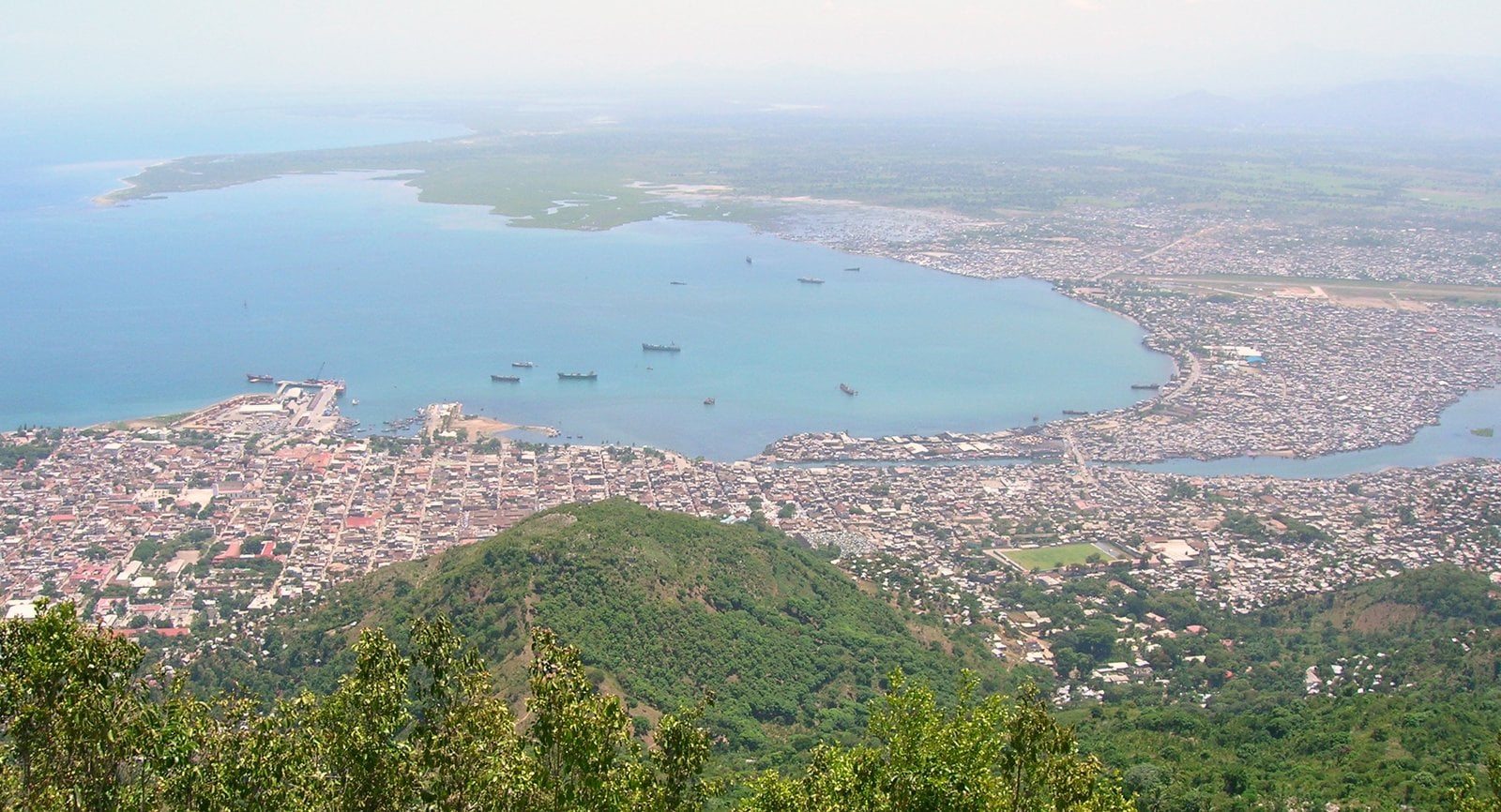
The U.S. government deported 101 people to Haiti on a charter flight from Louisiana that landed in Cap-Haïtien, in northern Haiti. The flight was reported by The Associated Press (AP) on September 3, 2026.
Nicolas Mardochée, a Haiti foreign affairs coordinator, told AP that exactly 101 deportees were aboard.
Human Rights First’s ICE Flight Monitor said this was the third straight Thursday flight to Haiti. It marked a shift from monthly to weekly deportation flights to Haiti.
Why Cap-Haïtien Instead of Port-au-Prince
Deportation flights were redirected from the capital due to security concerns. Port-au-Prince’s main airport has long been considered too dangerous for regular commercial service.
The U.S. State Department separately keeps a do-not-travel advisory covering the whole of Haiti, not just the capital.
As a result, the deportation flight to Haiti landed at Cap-Haïtien International Airport instead of Port-au-Prince.
Previous Deportation Flights
On Thursday, August 27, 2026, the U.S. deported 57 people to Haiti on a charter flight to Cap-Haïtien. Le Nouvelliste, cited by UPI, reported 51 men and 6 women, including children born in the U.S. and Brazil.
It was the second U.S. deportation flight to Haiti within eight days. The U.S. had already deported more than 160 people to Cap-Haïtien on August 20, 2026.
The exact composition of the September 3 flight, including whether children were aboard, is not known.
Temporary Protected Status and Its End
TPS is a U.S. program letting people from certain countries stay temporarily because of dangerous conditions at home. Around 350,000 Haitians held TPS before its termination.
A federal judge blocked the termination with a stay in February 2026, days before it was due to take effect. The Supreme Court ruled 6-3 in Mullin v. Doe on June 25, 2026, that courts cannot review such terminations.
A district court lifted its stay in August 2026, and TPS protections for Haitians then formally ended. Related litigation over the termination continues in the lower courts.
The Kenscoff Attack
On August 23-24, 2026, an overnight gang attack in Kenscoff killed at least 47 people, including three boys and two girls.
The same attack displaced about 2,647 people, according to the International Organization for Migration’s Displacement Tracking Matrix.
Security forces had cut violence in Kenscoff by 66% earlier in 2026, per UN figures. The August attack reversed much of that earlier progress.
Gang Violence in the Capital’s Plain
Gang clashes in La Plaine du Cul-de-Sac, including Cité Soleil, killed at least 613 people between March 6 and July 31, 2026.
BINUH, the UN mission in Haiti, said 375 more people were injured in the same five-month period. It reported the toll to the UN Security Council in an August briefing.
The same clashes displaced about 18,000 people around Cité Soleil, according to BINUH figures reported by Le Nouvelliste.
Displacement Crisis
As of May 2026, 1.47 million people were internally displaced in Haiti, per the Inter-American Commission on Human Rights, citing BINUH data.
That is about 12% of Haiti’s population. Women and children make up more than half of everyone displaced.
The UN Security Council later cited about 1.5 million people displaced by June 30, 2026, including 751,000 children.
Forced Returns in 2026
In 2026’s first eight months, nearly 200,000 people were forcibly returned to Haiti, up about 10% from the same period in 2025.
Indrika Ratwatte, the UN’s acting humanitarian chief, told the Security Council of the total at an emergency briefing on August 28, 2026.
He said the figure was at least 20,000 more people than in the same period of 2025.
IACHR Concerns Over TPS
The Inter-American Commission on Human Rights expressed concern about ending Temporary Protected Status for Haitians. It cited BINUH’s casualty and displacement figures directly.
The commission stressed the principle of non-refoulement, which bars returning people to places where their safety is threatened.
It said any such determination must be assessed considering the prevailing conditions on the ground in Haiti.
US Advisory Contradiction
The U.S. State Department advises Americans not to travel to Haiti at all, citing kidnapping, crime and civil unrest. Yet the U.S. continues to send deportees there on a weekly basis.
The deportation flight to Haiti landed in Cap-Haïtien, but the advisory itself covers the entire country, not just the capital.
The advisory sits at Level 4, the State Department’s highest warning category. It also lists terrorism among the risks Americans face there.
Reception at Cap-Haïtien
Jean Négot Bonheur Delva, director general of Haiti’s National Office of Migration, oversees deportee reception at the airport. He has said the office’s mission is to welcome migrants of forced return.
Officials give returnees up to $65 in cash along with food and water on arrival. Those unable to reach home the same day are given shelter overnight in secure spaces.
Gangs control routes to Haiti’s south, complicating onward travel for some deportees. The government has said it will help with family reunification where needed.
What Happens to Deportees
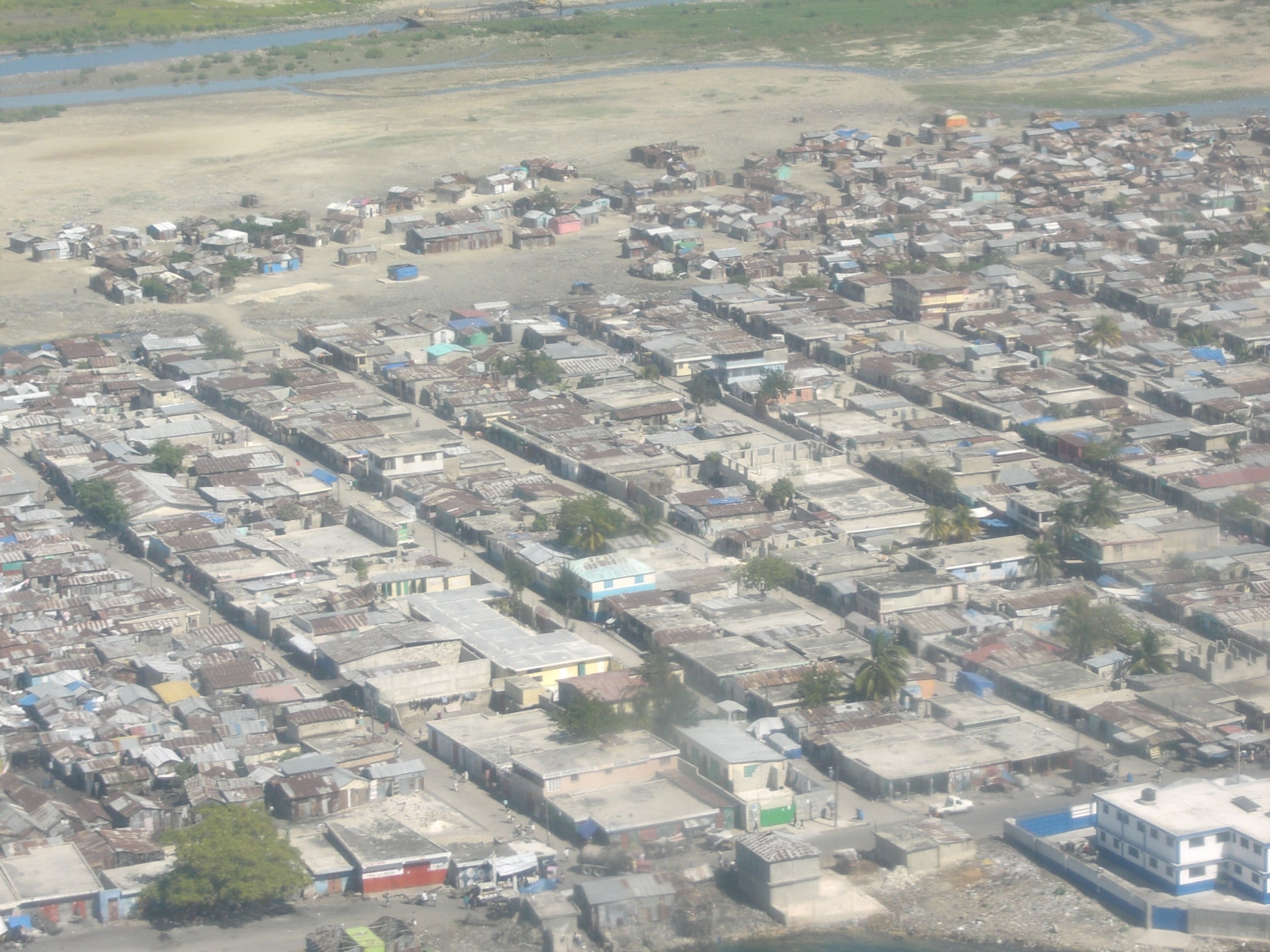
Local authorities and aid groups try to assist arriving deportees, but resources across Haiti remain badly stretched.
Many deportees have spent years in the U.S. and have no family or home left in Haiti. The Haitian government has repeatedly expressed concern about the growing influx.
Groups like the International Organization for Migration try to connect deportees with longer-term support and services.
Bahamas and Regional Returns
Other regional countries also return migrants to Haiti. On August 27, 2026, Bahamian authorities returned 104 Haitians to Cap-Haïtien.
That was the same day as a separate U.S. flight of 57 deportees, taking that single day’s combined arrivals above 160 people.
Rights groups have criticized this regional pattern of returns, arguing that conditions in Haiti remain unsafe for anyone.
US Policy and Legal Context
The U.S. government says it has the right to deport non-citizens who are in the country illegally. The end of TPS made many more Haitians newly eligible for deportation.
The Department of Homeland Security (DHS) is responsible for carrying out deportation flights. DHS has not commented publicly on the specific flight of September 3.
Haiti is struggling with political instability, gang violence and a deepening humanitarian crisis. The arrival of deportees adds further pressure to an already strained system.
How Deportation Flights Are Tracked
Human Rights First, a group that monitors immigration enforcement, runs a tool called the ICE Flight Monitor. It tracks flights operated by U.S. Immigration and Customs Enforcement, or ICE.
This information helps the public see how often deportation flights happen and where they go.
The dashboard has tracked ICE flight routes and deportation patterns since 2020.
Frequently Asked Questions
Why did the US deport people to Haiti despite the do-not-travel advisory?
The US government has a legal obligation to deport non-citizens who are in the country illegally. The advisory is for American citizens, not for deportation policy.
Where did the deportation flight land?
The flight landed in Cap-Haïtien, in northern Haiti. It did not land in Port-au-Prince because the capital’s airport is considered too dangerous due to gang violence.
Were children on the deportation flight?
It is not known if children were aboard the September 3 flight. A previous flight on August 27 carried 57 people, including children born in the U.S. and Brazil.
What is Temporary Protected Status (TPS)?
TPS is a U.S. program that lets people from certain countries stay temporarily due to dangerous conditions. It ended for Haitians in August 2026 after a Supreme Court ruling, though litigation continues.
Sources: Associated Press; Yahoo News; Chicago Tribune; UPI; Le Nouvelliste; AOL; DW; Security Council Report; HaitiLibre; The Rio Times; Africanews; UN; IOM; BINUH; Human Rights First; Inter-American Commission on Human Rights.