By The Rio Times | Created at 2026-08-12 06:32:03 | Updated at 2026-08-12 06:58:37
30 minutes ago
By The Rio Times | Created at 2026-08-12 06:32:03 | Updated at 2026-08-12 06:58:37
30 minutes ago
Argentina · Trade
Key Facts
- Recall scope Approximately 29,628 pounds (13,440 kg) of raw Argentine beef, announced August 7, 2026.
- Company involved Corte Argentino USA LLC, based in Aventura, Florida.
- Reason for recall Products entered the U.S. without the required FSIS import reinspection.
- Distribution area Florida and Texas only, according to the USDA notice.
- Health status No confirmed illnesses linked to the products at the time of the announcement.
- Detection method Found during a routine FSIS inspection, not through consumer complaints or disease reports.
- Product type Raw beef products imported from Argentina, not further processed in the U.S.
The recall is less about contamination and more about a paperwork gap — but for importers and buyers, it highlights how a missing stamp can freeze an entire shipment and shake confidence in supply chains.
If you buy Argentine beef in Florida or Texas, you may want to check your freezer. The USDA’s Food Safety and Inspection Service (FSIS) announced a recall of roughly 29,628 pounds of raw beef imported from Argentina because it entered the U.S. without the required import reinspection. The company behind it, Corte Argentino USA LLC of Aventura, Florida, distributed the product to retailers and distributors in those two states. No illnesses have been reported, and the issue was flagged during a routine FSIS inspection — not because anyone got sick. Still, this Argentine beef recall is a reminder that even high-quality meat can hit a regulatory wall when paperwork doesn’t match the rules.
One-stop reference
Company Intelligence
Every listed company in Latin America — financials, ownership and structure for 1,450+ companies across 26 exchanges, in one place.
What Actually Happened
The recall notice, posted by FSIS on August 7, 2026, says the beef was brought into the U.S. without going through the agency’s reinspection process. That step is mandatory for all imported meat products. It’s a check to confirm the product meets U.S. safety standards, including proper handling, labeling, and documentation from the exporting country. When that step is skipped, the product is considered “adulterated” under federal rules — not because it’s spoiled or contaminated, but because it bypassed a legal requirement.
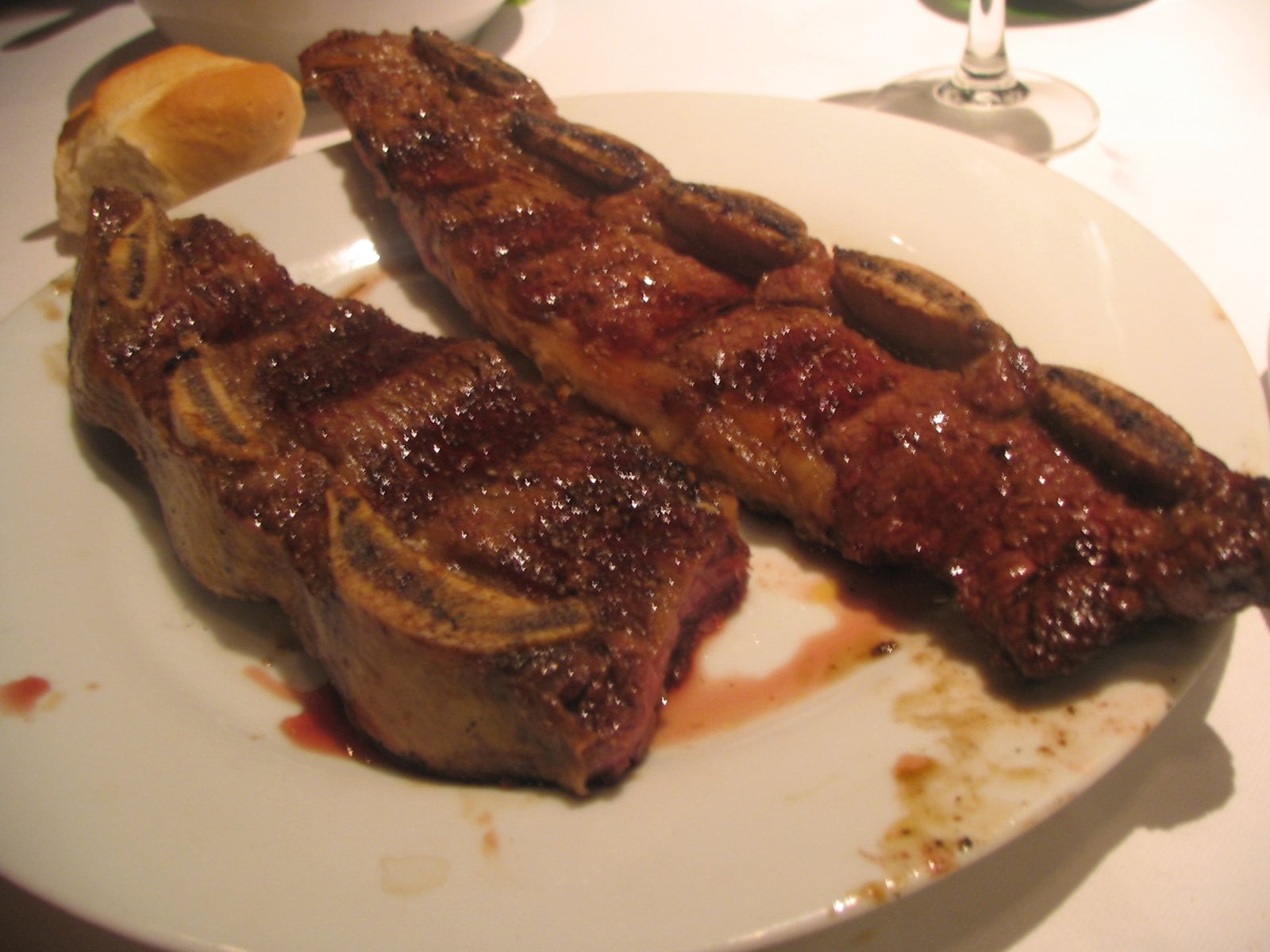
For Corte Argentino USA LLC, this is a logistical and reputational hit. The company specializes in bringing Argentine cuts — think flank steak, short ribs, and other grilling favorites — to the U.S. market. The FSIS notice doesn’t specify which exact cuts were involved, nor does it list specific retail stores. If you bought Argentine beef recently in Florida or Texas, the agency advises checking the packaging for the establishment number or import mark, though the recall notice doesn’t provide a full list of lot codes. When in doubt, the safest move is to return the product to the store or throw it out.
Why This Matters for Latin America
If you live in or invest in Latin America, this recall is a small but telling signal. Argentina is one of the world’s top beef exporters, and the U.S. is a growing market for its premium cuts. But the U.S. has strict import rules, and any slip-up — even a procedural one — can trigger a recall that makes headlines. For producers in Argentina, this creates pressure to ensure every export lot meets U.S. documentation standards. For investors in the meatpacking or logistics sector, it’s a reminder that regulatory compliance is a cost and a risk, not just a formality.
For expats and nomads living in Argentina, Uruguay, or Brazil, the recall might feel distant — after all, the affected product is only in Florida and Texas. But it underscores how interconnected food safety systems are. A missing stamp in Buenos Aires can ripple to a freezer in Miami. It also highlights the premium that U.S. consumers pay for Argentine beef, and why that premium depends on trust. If trust breaks — even over paperwork — it can affect demand, prices, and ultimately the livelihoods of ranchers and exporters across the Southern Cone.
What FSIS Says and What You Should Do
The FSIS recall notice is classified as a Class I recall, which means there is a reasonable probability that the product could cause serious adverse health consequences. However, that classification is standard for any product that skipped reinspection, regardless of whether contamination was found. The agency emphasizes that no illnesses have been reported, and the recall is precautionary. The beef was distributed to Florida and Texas, but the FSIS notice doesn’t specify whether it went to restaurants, grocery chains, or smaller butcher shops.
If you think you have affected product, check for the USDA mark of inspection or the establishment number on the packaging. If the product lacks that mark, or if you’re unsure, FSIS recommends not eating it. You can return it to the place of purchase for a refund, or dispose of it. The agency also encourages consumers to contact Corte Argentino USA LLC directly if they have questions. For those outside Florida and Texas, the risk is minimal — this recall is geographically contained, and no other states are listed in the notice.
The Bigger Picture for Imported Meat
This recall is not a food safety scandal in the traditional sense. There’s no E. coli, no salmonella, no foreign objects. It’s a compliance issue — the beef entered the country without the required reinspection, and FSIS acted accordingly. That’s how the system is supposed to work. But it also shows how quickly a procedural gap can become a public issue, especially for a product with a premium reputation like Argentine beef.
For importers, the lesson is clear: double-check every document before shipment. For consumers, it’s a reminder that the USDA’s safety net is active, even if it sometimes catches products that are likely fine. And for anyone watching Latin American trade, it’s a case study in how non-tariff barriers — like inspection requirements — shape market access. Argentina’s beef industry has fought hard to regain U.S. market share after years of restrictions. A recall like this, while small, can slow that momentum. The next shipment will likely face extra scrutiny, and that’s a cost that eventually shows up in prices.
Frequently Asked Questions
Is the recalled beef dangerous to eat?
There are no reported illnesses, and the recall is due to missing import reinspection, not confirmed contamination. However, because the product bypassed a mandatory safety check, FSIS treats it as adulterated and advises against eating it. If you have the product, return it or throw it out.
How do I know if my beef is part of the recall?
The recall covers raw Argentine beef distributed by Corte Argentino USA LLC to Florida and Texas. Check the packaging for the USDA mark of inspection or any import documentation. If the product lacks these marks, or if you’re unsure of its origin, contact the store where you bought it or the company directly.
Will this affect beef prices in Argentina or the U.S.?
Not in any immediate or significant way. The recall volume is small relative to overall U.S. beef imports, and no illnesses were reported. However, it could lead to stricter inspections for future Argentine shipments, which may add minor costs for exporters. For consumers, prices are unlikely to change because of this single recall.
Sources: USDA Food Safety and Inspection Service (FSIS) recall notice, August 7, 2026; company: Corte Argentino USA LLC.