By The Rio Times | Created at 2026-06-18 15:08:20 | Updated at 2026-06-18 19:49:44
4 hours ago
By The Rio Times | Created at 2026-06-18 15:08:20 | Updated at 2026-06-18 19:49:44
4 hours ago
AFRICA · TRADE
Key Facts
—The proposal: The US Trade Representative has proposed extra tariffs of up to 12.5% on imports from eight African economies.
—Who is in scope: Algeria, Angola, Egypt, Libya, Mauritania, Morocco, Nigeria and South Africa.
—The basis: A Section 301 investigation, opened on March 12, into whether trading partners allow imports of goods made with forced labour.
—The clock: Announced on June 2; public comments close July 6, with hearings set for July 7.
—Most exposed: Egypt, with about $2.6 billion in annual exports to the US, led by textiles and apparel; South Africa and Morocco follow.
—A way out: Countries that commit to banning forced-labour imports before the hearings could face a lower 10% rate.
—Carve-outs: Oil and gas from Nigeria and Angola would likely fall under an energy exemption; manufactured and labour-intensive goods are most at risk.
Washington has proposed tariffs of up to 12.5% on goods from eight African economies, giving them only weeks to respond. The move puts US tariffs on Africa back at the centre of the trade relationship, with Egypt, South Africa and Morocco the most exposed.
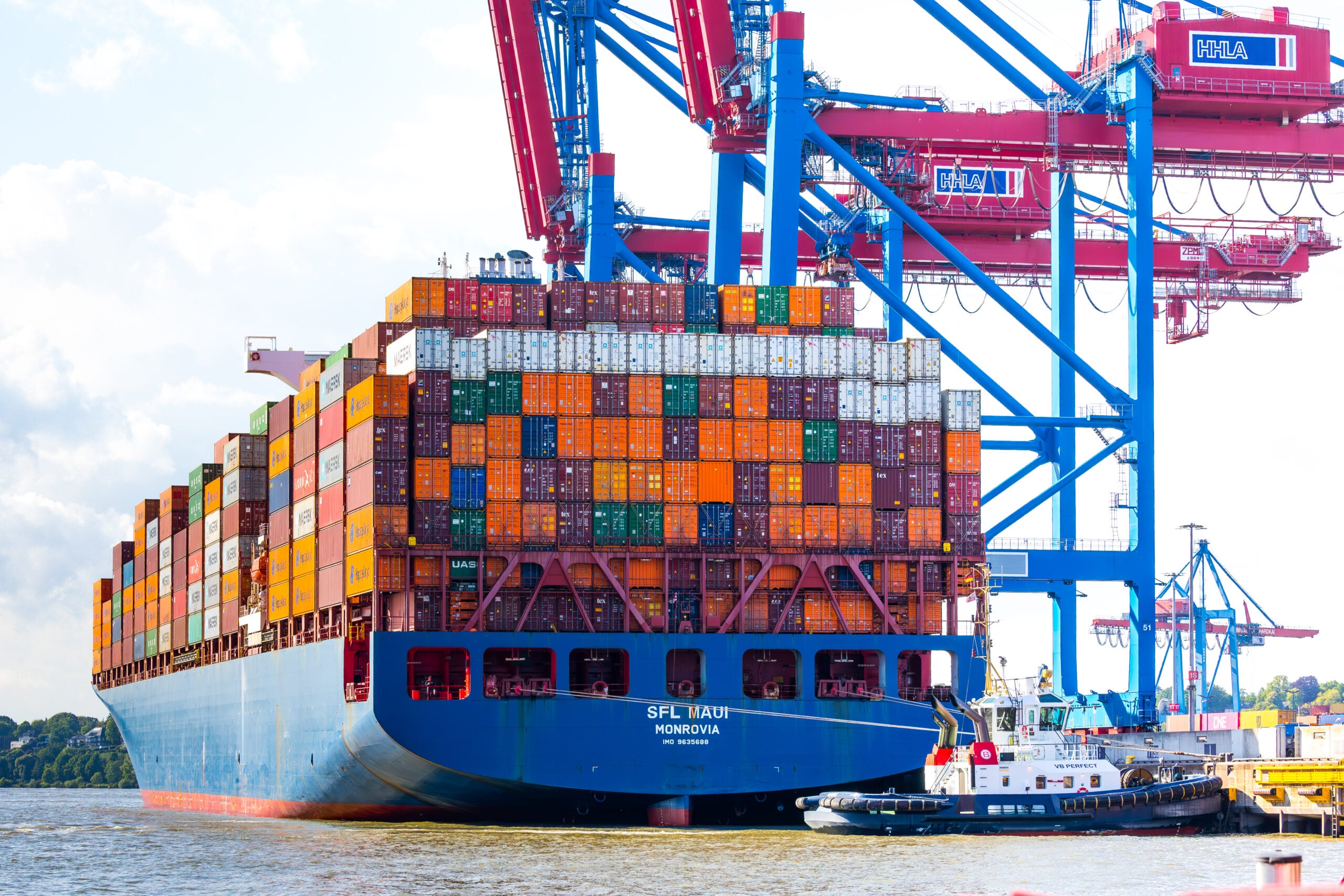 African exporters face proposed US tariffs of up to 12.5% on a range of goods. (Photo: Raimond Spekking, CC BY-SA 4.0, via Wikimedia Commons)
What the US tariffs on Africa would hit
The US Trade Representative has proposed additional duties of up to 12.5% on imports from eight African countries. The list runs across the continent: Algeria, Angola, Egypt, Libya, Mauritania, Morocco, Nigeria and South Africa.
The heaviest exposure falls on manufactured and labour-intensive goods rather than raw commodities. Textiles, apparel and similar products would bear the brunt.
For now this is a proposal, not a final measure. It is open for public comment before Washington decides.
Why Washington says it is acting
The tariffs stem from a Section 301 investigation opened on March 12. It examined whether countries prohibit the import of goods produced with forced labour.
The probe was broad, covering the United States’ 60 largest trading partners, among them the European Union, the United Kingdom, Japan, China and India. The eight African economies are the continent’s slice of that wider review.
The stated aim is to press trading partners to match US rules on forced labour. The tariff is the lever.
The countries in the crosshairs
Egypt enters the process as the most exposed African economy. It ships about $2.6 billion in goods to the US each year, concentrated in textiles and apparel.
South Africa and Morocco follow, both with sizeable manufactured exports. Their carmakers, processors and factories have the most to lose.
Oil and gas from Nigeria and Angola would likely fall under an energy exemption. That spares their main exports, but leaves their other sectors uncovered.
A narrow off-ramp, and a tight clock
There is a way to soften the blow. Countries that commit to banning forced-labour imports before the hearings could face a lower 10% rate instead of 12.5%.
The timetable is short. Public comments close on July 6, with hearings the next day, on July 7.
Trade bodies have warned that most of the affected governments are not ready to respond in time. Building a credible forced-labour regime in weeks is a tall order.
Another strain on preferential access
For years, much of Africa’s trade with the US ran on preferential terms designed to encourage exports. A new layer of duties pulls in the opposite direction.
The shift adds to a broader hardening of US trade policy under the current administration. Africa is now caught in the same net as far larger partners.
As always with tariffs, the details and the final rates can still change. The figures here describe a proposal in its comment phase, not a settled law.
Why it matters beyond the eight
For investors, the signal is what counts. Access to the US market, long treated as a given, now carries political conditions.
That pushes African exporters to court other buyers, from the Gulf to China to fellow members of the BRICS bloc. Each squeeze from one direction strengthens the case for diversifying trade.
It also tests whether the continent can bargain together rather than one capital at a time. The next few weeks will show how much leverage it really has.
Jobs on the line
Behind the percentages sit factory jobs. Textile and apparel plants in countries like Egypt and Morocco employ large workforces that depend on selling to American buyers.
A higher tariff makes their goods dearer on US shelves than rivals from Asia. Orders can shift quickly when prices move, and so can employment.
That is why the threat lands hard even before any duty is collected. Buyers plan months ahead, and uncertainty alone can cool new contracts.
For governments, the pressure is to negotiate rather than retaliate. None of the eight is big enough to push back on Washington alone.
Frequently asked questions
Which countries face the proposed US tariffs?
Algeria, Angola, Egypt, Libya, Mauritania, Morocco, Nigeria and South Africa.
How high are the proposed tariffs?
Up to 12.5%, though countries that commit to banning forced-labour imports before the hearings could face 10%.
Why is the US proposing them?
They stem from a Section 301 investigation into whether trading partners allow imports of goods made with forced labour.
When is the deadline?
The plan was announced on June 2; public comments close July 6 and hearings are set for July 7.
Which country is most exposed?
Egypt, with about $2.6 billion in annual exports to the US concentrated in textiles and apparel.
The Rio Times · Power Map
See who really holds power in Latin America
Click to open the Power Map →