By The Rio Times | Created at 2026-06-11 09:11:55 | Updated at 2026-06-18 02:19:05
6 days ago
By The Rio Times | Created at 2026-06-11 09:11:55 | Updated at 2026-06-18 02:19:05
6 days ago
Mexico · Markets · Trade
Key Facts
—What it is. The USMCA is the free-trade pact binding the United States, Mexico and Canada; it replaced NAFTA on July 1, 2020.
—The 2026 review. On July 1, 2026 the three governments hold the pact’s first joint review and decide whether to extend it for another 16 years.
—The scale. The agreement governs roughly $1.8 trillion in trilateral trade each year and underpins one of the world’s most integrated manufacturing regions.
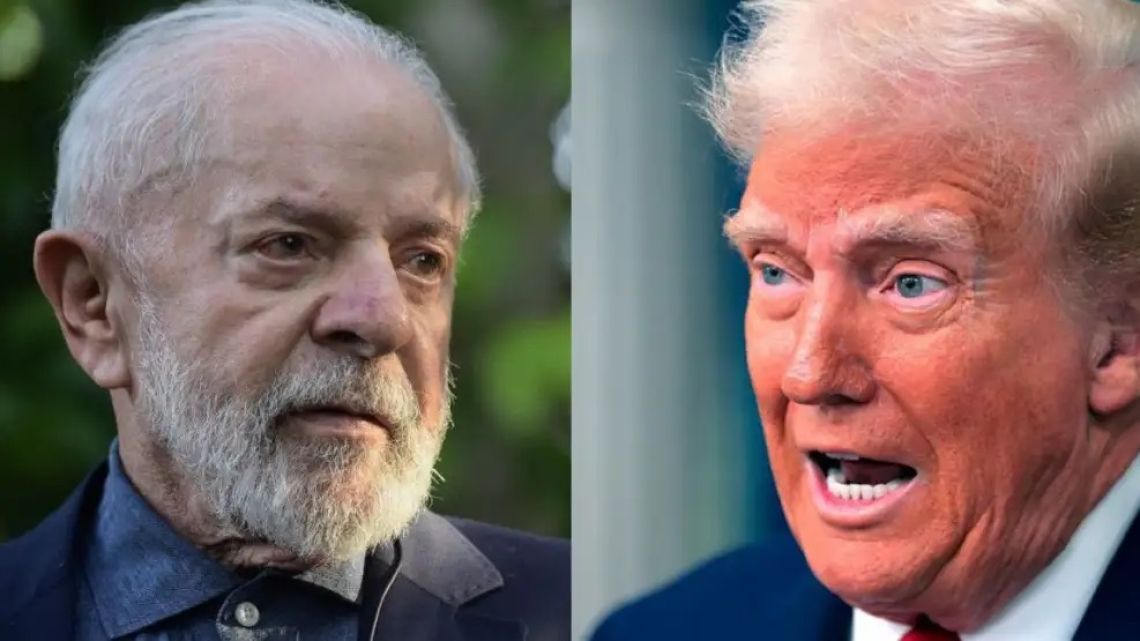
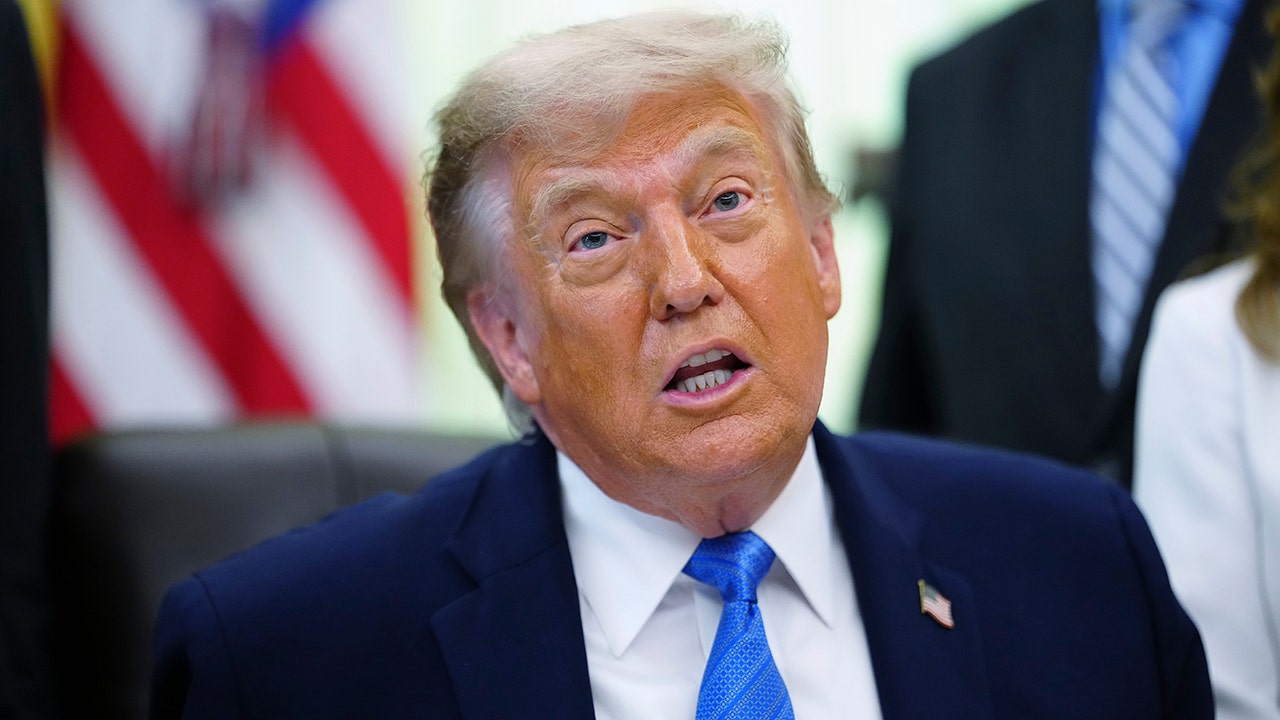
—Trump’s stance. In June 2026 President Trump said he is “not looking to renew” the deal, and US Trade Representative Jamieson Greer told Congress he would not recommend renewal without changes.
—Not a cliff. Non-renewal does not end the pact; it triggers rolling annual reviews and the deal stays in force until at least 2036.
—The fights. The hard bargaining is over automotive rules of origin, Chinese content routed through Mexico, and the tariffs already layered on steel, aluminium and cars.
The USMCA, the trade pact that stitches the United States, Mexico and Canada into a single roughly $1.8-trillion manufacturing bloc, faces its first make-or-break review on July 1, 2026. This guide explains what the agreement is, what that review will decide, and what is at stake for tariffs, supply chains and nearshoring across North America.
Recent Developments · updated June 11, 2026
President Trump said this week he is “not looking to renew” the pact before the July 1 deadline, and US Trade Representative Jamieson Greer told Congress he would not recommend a clean renewal without changes. Mexico’s economy minister Marcelo Ebrard and his team remain in active negotiations with Washington, with the most likely path now a long, rolling renegotiation rather than a walkout.
What is the USMCA?
The United States-Mexico-Canada Agreement is the free-trade deal that governs commerce among the three North American economies. It took effect on July 1, 2020, replacing the 1994 North American Free Trade Agreement, or NAFTA, which President Trump had long criticised.
In Mexico the pact is known as the T-MEC, and in Canada as CUSMA. The deal keeps most goods moving across the three borders duty-free, provided they meet detailed rules about how much of each product is made within the region.
Since it came into force, trade among the three countries has grown by about 37 percent, and Mexico has become the single largest trading partner of the United States. That deep integration is exactly what makes the 2026 review so consequential.
What the July 1, 2026 review actually decides
The USMCA was written with a built-in checkpoint. Six years after it took effect, on July 1, 2026, the three governments must carry out a joint review of how the agreement is working.
At that review they decide whether to confirm the deal for a further 16-year term, which would carry it to 2042. If all three agree, the clock simply resets and the pact rolls on.
If they do not all agree to extend, the deal does not collapse. Instead it enters a sequence of yearly reviews, staying fully in force on current terms until at least 2036, when a final failure to agree would end it.
What “not renewing” really means
Trump’s line that he is “not looking to renew” the pact sounds like an ending, but the legal machinery points to something slower. US Trade Representative Jamieson Greer told Congress in June 2026 that he was not prepared to recommend a clean renewal, and signalled the administration prefers to break the trilateral deal into bilateral tracks with annual reviews from 2027.
In practice that points to the middle path: not a tidy extension, but not a withdrawal either. The deal would survive under rolling reviews while the three governments bargain, year by year, over the terms.
A country can only leave the pact outright by giving six months’ formal notice, a step no government has taken. The bigger near-term risk is therefore years of uncertainty rather than a sudden break.
The tariffs already in place
The review is happening against a backdrop of tariffs that are already partly in force. Goods that meet the pact’s rules still cross into the United States duty-free, but those that fail face a country-specific tariff of around 25 percent.
On top of that sit sectoral duties on steel, aluminium and vehicles, imposed under separate national-security and emergency powers. For Mexican and Canadian exporters, proving that a product qualifies under the USMCA has become the difference between zero tariff and a heavy one.
The real fights: autos, rules of origin and China
The hardest bargaining is over the rules of origin, which set how much of a product must be made in North America to move duty-free. For cars the threshold currently sits at 75 percent regional value content, and Washington wants it raised.
Behind that push is China. US officials worry that Chinese firms use Mexico as a back door into the American market, routing components through Mexican plants to dodge tariffs.
Tightening the rules and squeezing out Chinese content is now a stated American priority for the review. For Mexico, where the auto industry anchors exports and jobs, any change to those rules could reshape how global carmakers plan their North American production.
Why nearshoring raises the stakes for Mexico
Mexico’s proximity to the United States and its tariff-free access have made it the cornerstone of the nearshoring trend, as companies shorten supply chains and reduce their exposure to Asia. That has drawn record foreign investment into Mexican manufacturing.
Yet the gains are uneven. Even as money flows in, factory jobs have been shed at the fastest pace since the 2008 crisis, a paradox that an uncertain trade review only deepens.
Companies weighing a new plant in Mexico must now price in the risk that the rules could shift every year. That doubt is itself a cost, even if no new tariff is ever added.
What it means for Canada
Canada faces the same review and many of the same pressures, from autos to energy and dairy. Ottawa and Mexico City have at times closed ranks to avoid being played off against each other in the talks.
The American preference for bilateral tracks would test that solidarity, by pulling Canada and Mexico into separate negotiations. How the two junior partners coordinate will shape the balance of the entire review.
Possible outcomes
Analysts sketch a range of scenarios, from a clean 16-year renewal at one end to a slow unravelling at the other. The most widely expected result is somewhere in between: no full extension in July, followed by years of annual reviews and hard bargaining.
For now the talks have not stopped, and Mexico has consistently chosen engagement over confrontation. The deal that underpins North American manufacturing is far more likely to grind through a long renegotiation than to break overnight.
Key dates
July 1, 2020 — USMCA takes effect, replacing NAFTA.
Early 2026 — The United States and Mexico open formal talks to review and rewrite parts of the pact.
June 2026 — Trump says he is “not looking to renew”; USTR Greer declines to recommend a clean renewal.
July 1, 2026 — The first joint review; the three governments decide whether to extend for 16 years.
Full Coverage
The Rio Times tracks the USMCA review across negotiations, tariffs, autos and the wider Mexican economy. Our continuing coverage:
The review & negotiations
Trump Says He Will Not Renew the USMCA Trade Pact With Mexico
U.S. and Mexico Open Trade Talks Ahead of the July Review
Mexico Says the USMCA Review Will Stretch Into Years of Annual Talks
Sheinbaum and Carney Discuss the USMCA Review as Mexico Leads Talks
Formal T-MEC Negotiations Open Under Ebrard
U.S. and Mexico Begin T-MEC Rewrite Talks as Trade Dependence Hits Records
Mexico and Canada Close Ranks Before the USMCA Showdown
USMCA Withdrawal Risk Emerges as Mexico’s IPC Hits a Record
Tariffs & autos
Mexico’s Steel-Tariff Crisis Under Section 232
Mexico Stayed America’s Top Supplier Despite the Tariffs
New Tariffs Push Mexican Inflation Higher Than Expected
Mexico’s Tariff Wall on Asian Imports Tests U.S. Relations
Nearshoring & the Mexican economy
Mexico’s Nearshoring Boom Is Real — the Jobs Are Not
Nearshoring in Mexico: The 2026 Guide
Mexico’s Computer Exports Surge 145% on AI Nearshoring
Mexico Economy 2026: The Outlook
Frequently asked questions
What is the USMCA?
The USMCA is the free-trade agreement among the United States, Mexico and Canada that replaced NAFTA on July 1, 2020. It is known as the T-MEC in Mexico and CUSMA in Canada, and it keeps most regional goods duty-free if they meet its rules of origin.
What happens at the July 1, 2026 review?
The three governments hold a joint review and decide whether to extend the deal for another 16 years. If they do not all agree, the pact stays in force under rolling annual reviews until at least 2036.
Did Trump cancel the USMCA?
No. He said in June 2026 that he is not looking to renew it, which would trigger annual reviews rather than end the agreement, and US Trade Representative Jamieson Greer declined to recommend a clean renewal without changes.
Why does the review matter for Mexico?
The United States is Mexico’s largest export market and the anchor of its nearshoring boom, so prolonged uncertainty weighs on the peso and on factory investment. Changes to auto rules of origin could also reshape how carmakers plan their Mexican production.
The Rio Times · Power Map
See who really holds power in Latin America
Click to open the Power Map →