 By The Rio Times | Created at 2026-10-19 10:11:24 | Updated at 2026-10-19 22:10:49
12 hours ago
GUIDES · VENEZUELA
Key Facts
- —The country Venezuela is a South American country on the Caribbean coast, home to 28.5 million people in 2025. Its economy was about US$99.7 billion that year and still rests on oil.
- —Oil Proven reserves were about 303 billion barrels in 2023, the largest of any country. Output was 1,206,000 barrels a day in September 2026 on official figures, against 1,150,000 on outside estimates.
- —Gas Gas reserves were 195 trillion cubic feet in 2023, about 73% of South America’s total, yet output sits far below its 2001 peak.
- —Gold and minerals Formal gold output was estimated at only 480 kilograms a year in 2017 to 2019. The Orinoco Mining Arc, where most of the mining happens, covers about 112,000 square kilometres (about 43,000 square miles).
- —Water, land and forest Hydropower supplied about 64% of electricity in 2021, and forest covered 53.4% of the land area in 2024.
- —Rules A reform of the Hydrocarbons Law was approved on 29 January 2026, and a new mining law passed the National Assembly on 9 April 2026.
- —Power Index Venezuela ranks 13th of 14 in The Rio Times Latin America Power Index, with 27.0 points (October 2026 edition).
The natural resources of Venezuela: oil, gas, gold, iron ore, water, farmland, forests and fisheries. Who extracts them, who profits and what it costs the land, as of October 2026.
Venezuela resources start with the largest proven oil reserves in the world, about 303 billion barrels as of 2023. The south adds gold, iron ore and other minerals, while rivers, forests and farmland complete a list that few countries match.
This guide covers each resource, who extracts it, who is paid and what it costs the environment, as of October 2026. For US readers it matters because Treasury licences now decide who may buy Venezuelan crude and gold.
The Largest Oil Reserves on Earth
The EIA, the US energy statistics agency, counted about 303 billion barrels of proven oil reserves in Venezuela in 2023. That was about 17% of the world total, mostly extra-heavy crude in the Orinoco Belt in the centre-east.
Heavy crude is thick and must be thinned with lighter hydrocarbons, called diluent, before it flows through pipelines. The EIA named limited diluent supply as a risk to output in its country brief of February 2024.
Production has fallen far below what the reserves suggest. The EIA put output at 742,000 barrels a day in 2023, a 70% decline from 2013.
Venezuela told OPEC, the oil producers’ group, that it pumped 1,206,000 barrels a day in September 2026. OPEC’s own secondary sources put the figure at 1,150,000.
Merey 16, Venezuela’s heavy export grade, averaged US$93.75 a barrel in September 2026, up US$16.93 from August. That was 15.2% below the OPEC Basket average of US$110.59 for the month.
PDVSA, the state oil company, ran five refineries with 1.46 million barrels a day of capacity in 2022. Its Paraguaná complex was running at about 10% of its 940,000 barrels a day in October 2023.
Who Pumps the Oil and Who Is Paid
PDVSA, short for Petróleos de Venezuela, is the state oil company and the largest source of government revenue. Foreign companies work mainly through joint ventures with it.
Chevron is the best-known partner, working in four joint ventures under a US licence first issued in November 2022. It produced 135,000 barrels a day in Venezuela in 2023, the EIA recorded.
The National Assembly, the single-chamber parliament, approved a reform of the Hydrocarbons Law on Thursday 29 January 2026. It caps royalties at 30% and an integrated hydrocarbons tax at 15% of annual gross revenue, according to the law firm Foley & Lardner.
The reform adds production-participation contracts, in which the contractor bears costs and risks and is paid from output or profit. It also allows international arbitration of disputes without further government approval.
Washington still holds the final say through sanctions rules. OFAC, the US Treasury’s sanctions office, lists Executive Order 14373 of 9 January 2026, on safeguarding Venezuelan oil revenue.
General Licence 46E of 28 September 2026 covers activities involving Venezuelan-origin oil. Foley & Lardner said in February 2026 that under the earlier licence of that series, payments tied to PDVSA generally had to flow through US-controlled accounts.
The firm also said that deals with Chinese-controlled entities stayed prohibited. Licence texts change often, so anyone dealing in Venezuelan oil must read the current version.
The profit is concentrated in one product. In 2013, the latest year in the World Bank series, fuels made up 97.7% of Venezuela’s goods exports and ores and metals only 0.4%.
Natural Gas and the Gas That Is Burned Off
The EIA counted 195 trillion cubic feet of gas reserves in 2023, about 73% of South America’s total. That is the largest gas endowment on the continent, yet output is small.
Gas production peaked at 1.12 trillion cubic feet in 2001 and had fallen to 563 billion cubic feet by 2021. About 30% of the gas is reinjected into oil fields.
Industry estimates put flaring, the burning of unused gas, near 706 billion cubic feet in 2022. That was more than the gas the country monetised.
Offshore, the Dragon field was licensed in January 2023 so that Trinidad and Tobago could develop it with PDVSA, with Shell as operator. The licence was due to expire in October 2025, and the EIA brief does not say what followed.
Gold, Iron Ore, Bauxite and Other Minerals
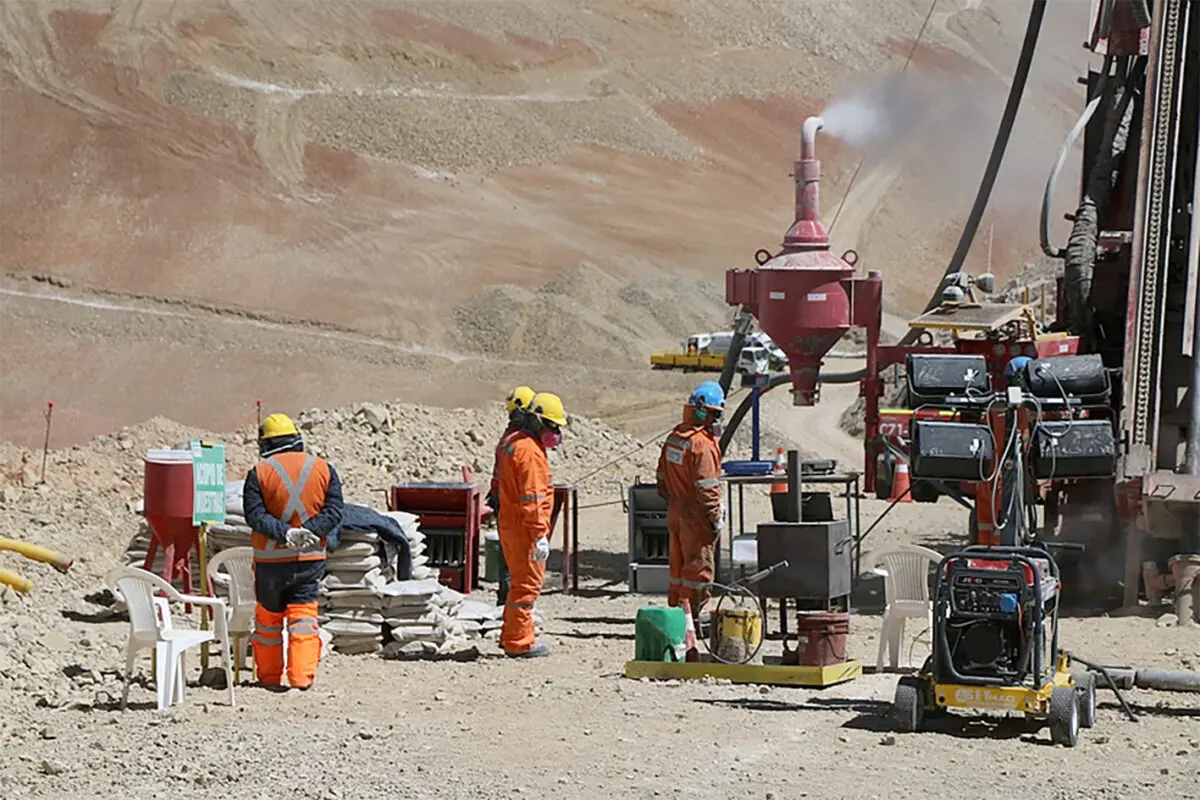
Southern Venezuela lies on the Guiana Shield, a mineral-rich geological region. In the 1990s the US Geological Survey (USGS) catalogued more than 450 mines, prospects and occurrences there, mostly diamond and gold.
The survey also recorded iron ore, bauxite, manganese, tin, uranium and rare-earth minerals. Recorded output is far smaller than that list suggests.
The USGS Minerals Yearbook for 2019 estimates gold mine output at 480 kilograms a year in 2017, 2018 and 2019. The government said the country had 32 certified gold fields.
Other minerals have collapsed. Bauxite output fell from 992,000 tonnes in 2015 to zero in 2018, and iron ore from 11.7 million tonnes to 1.1 million by 2019.
Nickel mining stopped after 2015, when output was 4,000 tonnes of nickel content, and coal fell from 802,000 tonnes to an estimated 100,000. These are the figures in the 2019 yearbook, and later production is not confirmed.
Minerven, a unit of the state conglomerate CVG, owned the country’s only gold-processing plants in the USGS account. The United States sanctioned it in March 2019.
Ferrominera Orinoco, another CVG company, lists iron-ore mines with an annual capacity of 25 million tonnes. That is a capacity figure and not output.
The Orinoco Mining Arc and the Armed Groups
Nicolás Maduro, the president seized by US forces on Saturday 3 January 2026, created the Orinoco Mining Arc by decree in 2016. It covers about 112,000 square kilometres (about 43,000 square miles) south of the Orinoco river.
The Arc was meant to open gold, diamonds, coltan, nickel and some rare earths to investors. Maduro claimed it could hold more than 7,000 tonnes of gold, which is his claim and not a survey result.
Bram Ebus of the International Crisis Group calls it nothing more than a legal jacket around a sector run by non-state armed groups. CSIS, the Center for Strategic and International Studies in Washington, described it in January 2026 as largely informal and illegal mining tied to violence and criminal networks.
Analyst José Rafael Lozada estimates that more than 200,000 people depend on mining, directly or indirectly. No stable official statistics exist to confirm the number.
The National Assembly approved a new mining law unanimously on Thursday 9 April 2026. It admits private, foreign and mixed companies, with royalties of up to 13%, and went to the Supreme Court to rule on its organic character.
Promulgation of the law and its enforcement inside the Arc are not confirmed. CSIS put exploration investment in Venezuela at about US$200,000 in 2025, under 1% of global exploration spending.
On the US side, OFAC lists General Licence 51D of 2 September 2026, covering activities involving Venezuelan-origin coal or minerals, including gold. General Licence 55A covers negotiating contingent contracts for investment in the same sectors.
Water, Rivers and Hydropower
The World Bank counts about 805 billion cubic metres of renewable internal freshwater in 2022, or about 28,500 cubic metres per person. That is a large store for a country of 28.5 million people.
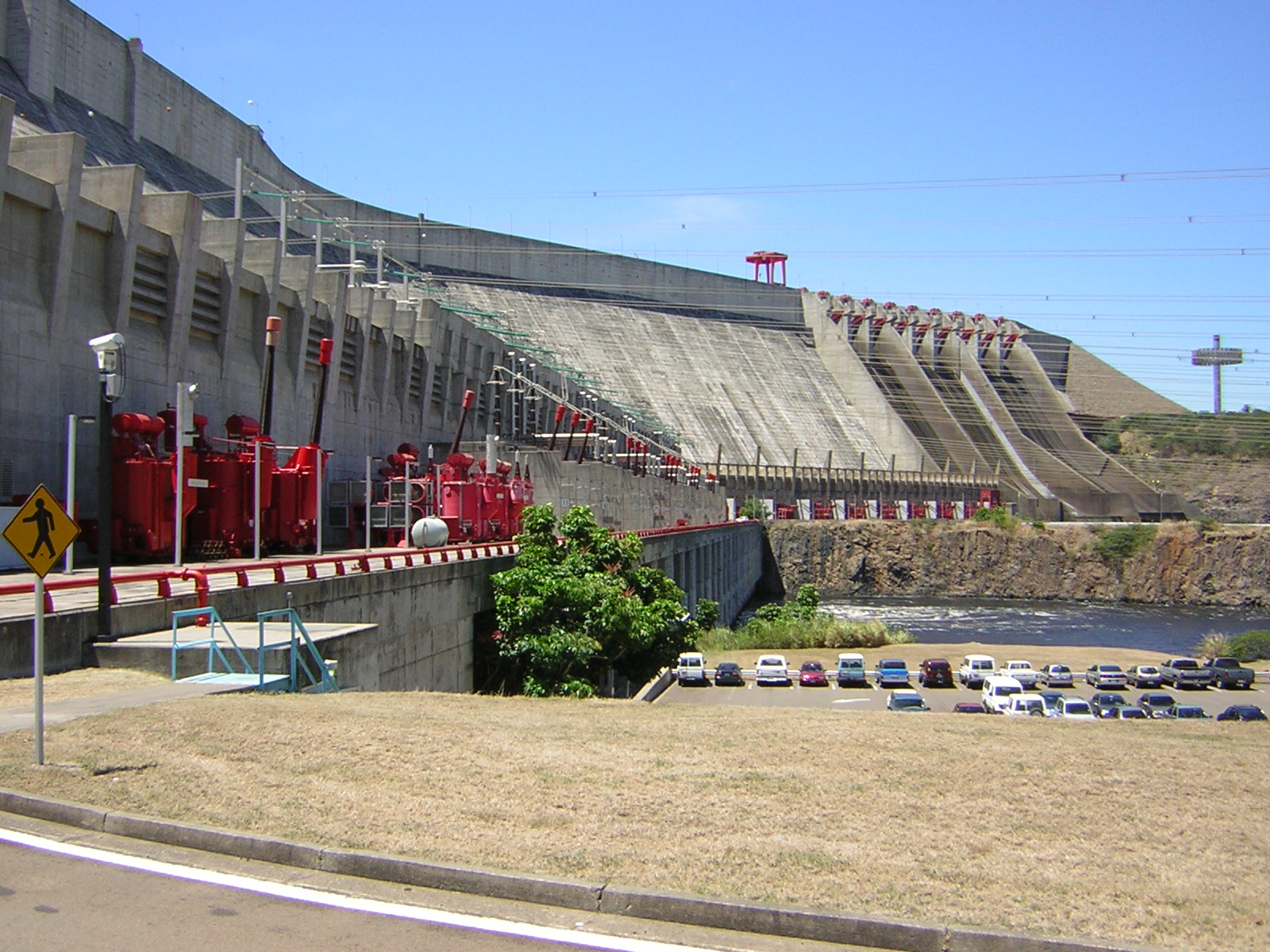
Hydropower supplied about 64% of Venezuelan electricity in 2021, the EIA said. The Guri dam has 10,200 megawatts, about 64% of the country’s 16,010 megawatts of hydro capacity, and the state firm Corpoelec runs it.
Farmland, Forests and Fisheries
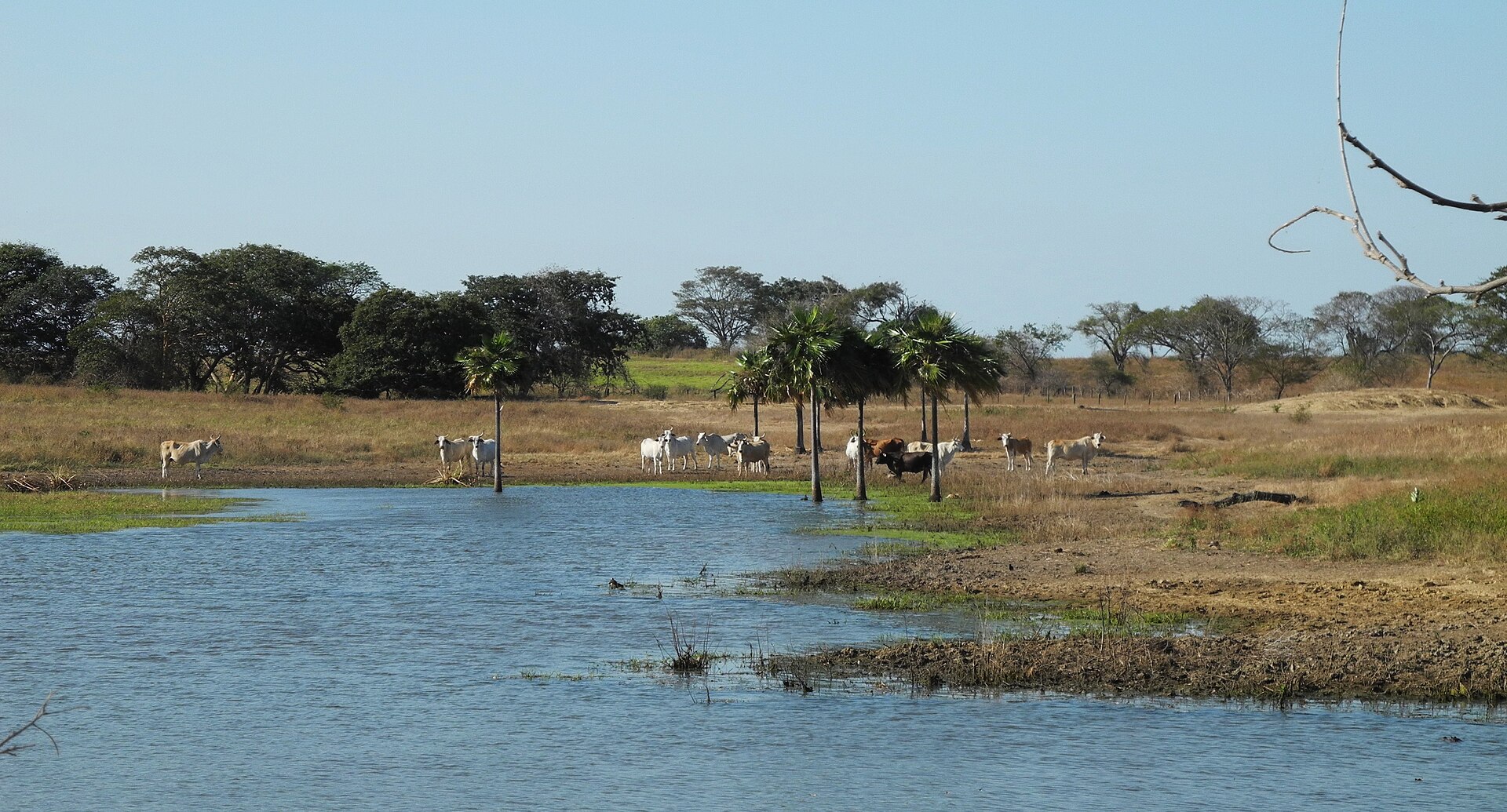
Farmland covered 24.4% of Venezuela’s land area in 2024, but arable land, the part ploughed for crops, was only 2.9%, World Bank data show. The cattle in the photograph graze in the Llanos, a plains region in Guárico state.
Forest covered 53.4% of the land area in 2024, World Bank data show. Capture fisheries landed about 202,700 tonnes of fish that year.
The Environmental Cost
Gas flaring is the best-documented oil-sector cost, with industry estimates of about 706 billion cubic feet burned in 2022. Burning that gas wastes fuel and releases emissions without earning revenue.
In the south, CSIS described environmental devastation and humanitarian risks from illegal mining in 2020. A confirmed national tally of damaged forest or polluted rivers is not available.
What It Means for US Readers
Investors in oil and mining names should treat every Venezuelan counterpart as licence-dependent. OFAC amended several general licences in September 2026, so the legal basis of a deal can change within weeks.
Refiners on the US Gulf Coast are the natural buyers of heavy crude. Exports there resumed in January 2023 under the Chevron licence, the EIA said.
Fuel buyers should watch output and the Merey price, since both feed into heavy-crude supply. Prices at the pump depend on far more than one country’s crude.
Travellers should read the State Department’s current Venezuela advisory before any trip, and they should avoid the mining zones of Bolívar state where armed groups operate. Expats and families with ties to the country should expect resource rules to keep changing.
What Is Not Known
The recoverable share of the 303 billion barrels is not settled, because proven reserves depend on price, technology and the cost of diluent. Independent audits of the figure are not public in the sources available.
Real output of gold and other minerals is unknown, since the latest USGS figures are for 2019 and much of the mining is informal. Whether the mining law approved on 9 April 2026 is in force, and whether it changes life in the Arc, is not confirmed.
How much oil revenue reaches the Venezuelan state, and how the Dragon gas licence stands after October 2025, are also open. Current licence texts from OFAC are the only reliable guide.
Frequently Asked Questions
Which country has the largest oil reserves?
Venezuela, with about 303 billion barrels of proven crude oil reserves in 2023, roughly 17% of the world total. Most of it is extra-heavy crude in the Orinoco Belt.
How much oil does Venezuela produce in 2026?
Venezuela told OPEC it produced 1,206,000 barrels a day in September 2026, while OPEC’s secondary sources put the figure at 1,150,000. Output was 742,000 barrels a day in 2023.
Does Venezuela produce much gold?
Recorded gold output was estimated at only 480 kilograms a year in 2017 to 2019, according to the USGS. Most mining takes place in the Orinoco Mining Arc, where armed groups and informal miners are active.
Who controls Venezuela’s oil and minerals?
The state oil company PDVSA and its joint ventures, such as those with Chevron, control oil, while state firms such as Minerven and Ferrominera hold the formal mining sector. US sanctions licences shape who may buy the output.
Where does Venezuela get its electricity?
Mostly from hydropower, which supplied about 64% of electricity in 2021. The Guri dam has 10,200 megawatts of capacity, about 64% of the country’s hydro capacity.
What do Venezuela resources mean for US readers?
Refiners and fuel buyers look to Venezuelan heavy crude, but every deal depends on current OFAC licences. Investors in mining should note that the mining law approved on 9 April 2026 is not confirmed as being in force.
Sources: Reserves, gas, power and refining from the US Energy Information Administration; September 2026 output and prices from OPEC data as published in Caracas; sanctions licences from the US Treasury; mineral output from the US Geological Survey; land, water and forest data from the World Bank, all accessed 19 October 2026.
- OPEC / press, September 2026 output and Merey price (Banca y Negocios)
- US Energy Information Administration, Venezuela country analysis brief (February 2024)
- US Treasury OFAC, Venezuela-related sanctions, accessed 19 October 2026
- USGS Minerals Yearbook 2019, Venezuela
- Foley & Lardner, Venezuela’s new hydrocarbon framework (9 February 2026)
- E&E News, minerals and the Orinoco Mining Arc (6 January 2026)
- Evertiq, Venezuela’s minerals (22 January 2026)
- Primicias, mining law approved (10 April 2026)
- Diario Libre, mining law approved (9 April 2026)
- World Bank indicators for Venezuela (land, forest, freshwater, fisheries, GDP, population)