By The Free Press | Created at 2026-09-04 15:16:51 | Updated at 2026-09-04 15:59:46
57 minutes ago
By The Free Press | Created at 2026-09-04 15:16:51 | Updated at 2026-09-04 15:59:46
57 minutes ago
Produced by ElevenLabs using AI narration
It’s Friday, September 4. This is The Front Page, your daily window into the world of The Free Press—and our take on the world at large. Today: Should you “redshirt” your kids? Meta’s therapy misstep. And more.
But first: the big question hanging over politics.
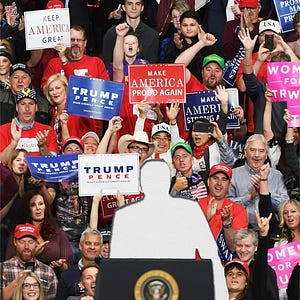
When the story of the past decade in American public life is written, it will, for better or worse, center on one man. Since descending the golden escalator on June 16, 2015, Donald Trump has been an omnipresent force in American politics—an object of hatred as much as adoration, fear as much as faith.
Much of that story will turn on what happened in 2024: Trump’s remarkable political comeback, which made him only the second president in American history to win nonconsecutive terms. That is the story acclaimed historian Victor Davis Hanson tells in his new book, The Counterrevolution: The Fall and Rise of Donald Trump and the MAGA Movement, out next week.
Hanson has been one of the best explainers of the Trump revolution since its inception. In the following exclusive excerpt, he takes on the questions now at the heart of the movement the president built: What happens to MAGA when its founder finally relinquishes leadership? Will Trumpism outlast Trump?
—The Editors

Frannie Block • Parenting

For some, parenting has become a constant quest to give your kid a leg up, whether it be via private T-ball lessons or Russian math. But these days, increasing numbers of parents are taking more drastic action and holding their kids back a year in kindergarten to give them the ultimate advantage: more time. It’s called “redshirting,” and Frannie Block talked to parents, economists, and lawmakers about the heated debate over when your kids should start school.
Mike Goldstein and Jenny Anderson • Health and Self-Improvement

After a landmark lawsuit over the harm of social media for kids, Meta has agreed to spend a portion of the $18 billion settlement on therapy for teens. That’s a big mistake, say Mike Goldstein and Jenny Anderson of the Center for Teen Flourishing. They argue that therapy for teens is counterproductive—and have some ideas on what else the money could be spent on.
Aaron MacLean • School of War
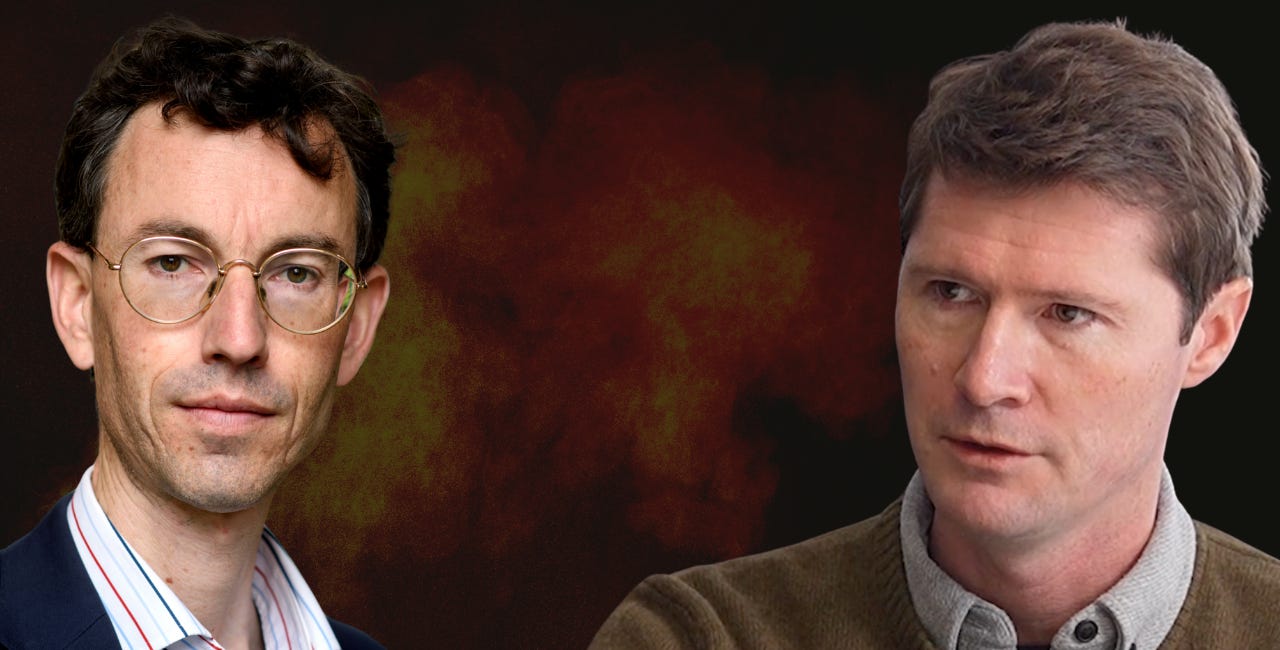
For decades, the United States was the uncontested global superpower. Not anymore. Russia’s renewed quest for expansion and the rise of China as an economic and military superpower are tipping the scales of geopolitics away from American dominance. Cambridge historian Brendan Simms joins Aaron MacLean on “School of War” to discuss what 21st-century great-power conflict is and why the United States’ position as a leading nation is not guaranteed forever.
Editors’ Picks
Next week will mark the 25th anniversary of the September 11, 2001, terrorist attacks, the deadliest attack on American soil in history. And while radical Islam continues to threaten the West two decades later, a new war has begun, “one over the origin and meaning of the 9/11 attacks,” writes Douglas Murray, as discredited conspiracies about that tragic day are recycled and regurgitated in our podcast age. Read his thoughts on the “9/11 truthers,” a group not searching for the truth but for another dose of the mental drug that is indulging disinformation.
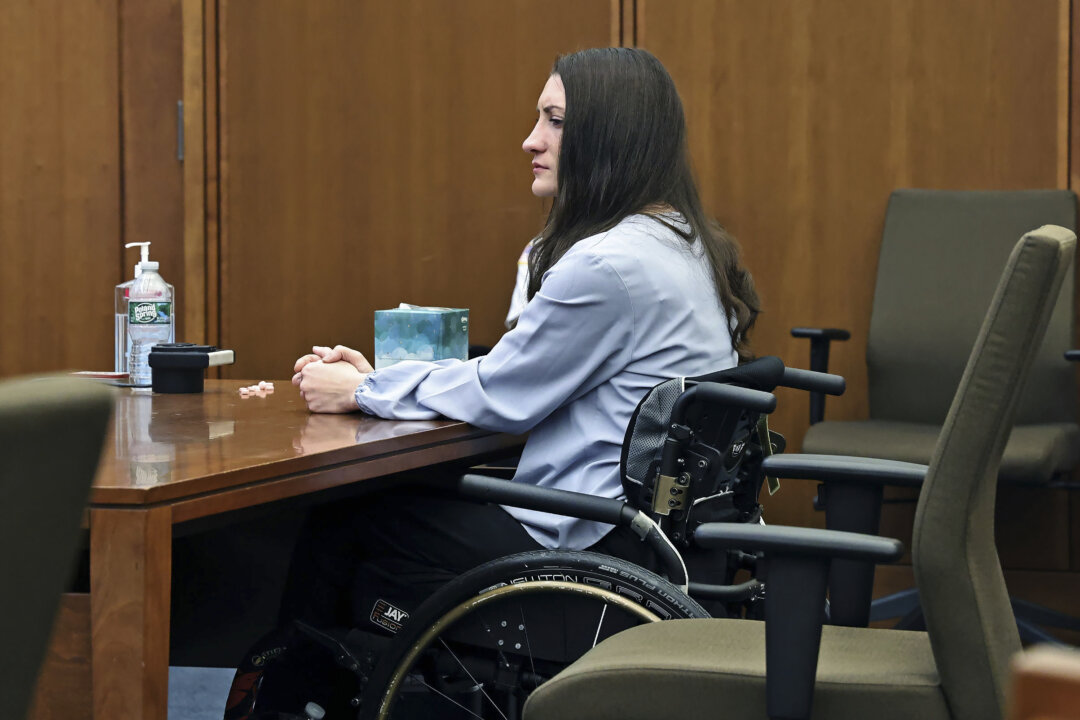
The jury in the Lindsay Clancy murder trial is still deadlocked after days of intense deliberations. Supporters of the mother who strangled her children in January 2023 are sure she isn’t legally responsible. What began as compassion for a woman who potentially suffered from postpartum psychosis, according to Caitlin Flanagan, has turned into “an almost exultant, fanlike celebration of Lindsay Clancy.” What these clamoring supporters forget: the three innocent children who lost their lives. We shouldn’t forget them, either.
The big cultural headline this week was John Galliano pulling out of his show and gala at the Met. Anna Wintour’s pick for the next Costume Institute exhibition had been controversial ever since it was announced, thanks to a string of vulgar antisemitic remarks from Galliano more than a decade ago. Should the show have gone on? And who is to blame? Suzy Weiss dives into the controversy.
The publication of alarming details about the recent Hugging Face hack was the biggest news in the tech world over the last seven days. AI hacks may sound like a dry subject, but this one matters, because it has some of the experts in the field warning that a total AI takeover is far more likely than they previously realized. So we should be worried, right? Not necessarily, says Tyler Cowen. Read his impressively coolheaded argument to understand why.
AI security expert John-Clark Levin disagrees. An AI takeover really is possible, he says, and the stakes get higher with every advance of the new technology. If proper guardrails are not built to keep AI in check, it will be too late for humans to conduct a cost-benefit analysis. We should act now—before it is too late, Levin writes.