 By GB News (World News) | Created at 2026-06-12 03:06:04 | Updated at 2026-06-12 09:20:40
6 hours ago
By GB News (World News) | Created at 2026-06-12 03:06:04 | Updated at 2026-06-12 09:20:40
6 hours ago
Vladimir Putin's troops are massing on Russia's border with Nato - just as Britain's defence crisis has been laid bare.
New images reveal Russia expanding its military presence on the border with construction work such as new barracks, warehouses, and army vehicles.
Russia's military buildup in towns, some just five miles from Norway, was unmasked just as Britain was plunged into fresh turmoil.
Defence Secretary John Healey and Veterans Minister Al Carns both dramatically quit last night over the Government's failure to properly fund defence.
New Defence Secretary Dan Jarvis must now oversee Britain try to meet its Nato commitments of up to 3.5 per cent of GDP by 2030.
But the alliance has now been exposed to new satellite images, released by Danish broadcaster DR, highlighting five military bases in Russia which had been expanded since 2024.
These include Pechenga, just over miles from Norway, Kandalaksha, bordering Finland, Luga, near Estonia, Kaliningrad, in between Poland and Lithuania, and Petrozavodsk, near Finland.
The Russian Ministry of Defence has already confirmed the number of troops stationed at Pechenga would expand.
Former Finnish intelligence officer Marko Eklund suggesting to DR the site could soon see as many as 10,000 Russian personnel on the ground.
Vladimir Putin's men are massing on Nato's borders in the north
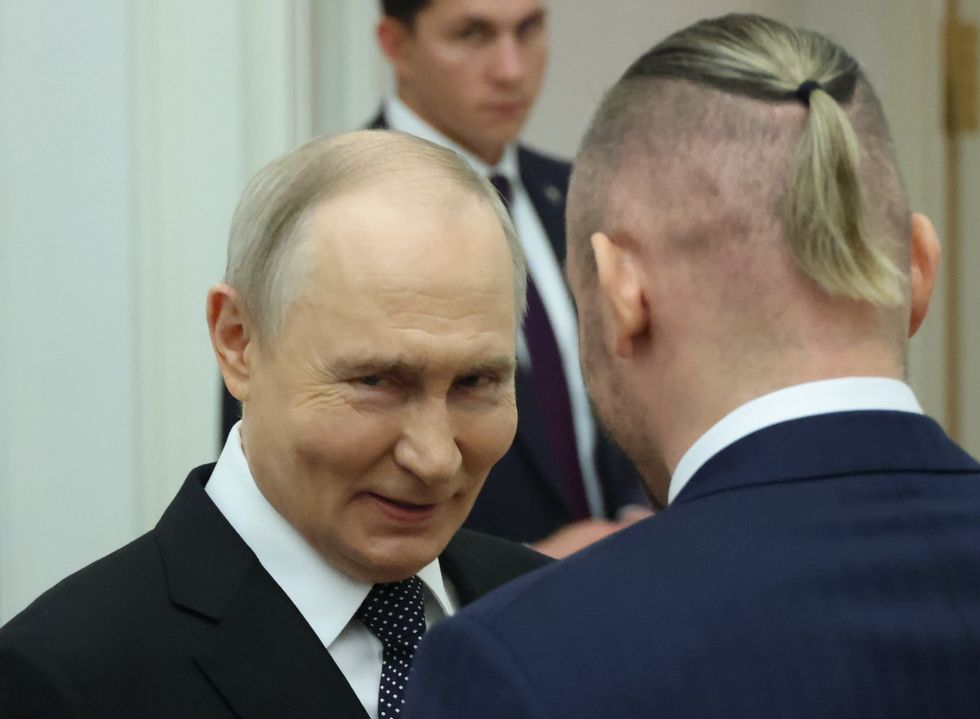
GETTY
A military outpost under construction near Pechenga, which has now been joined the ZATO association
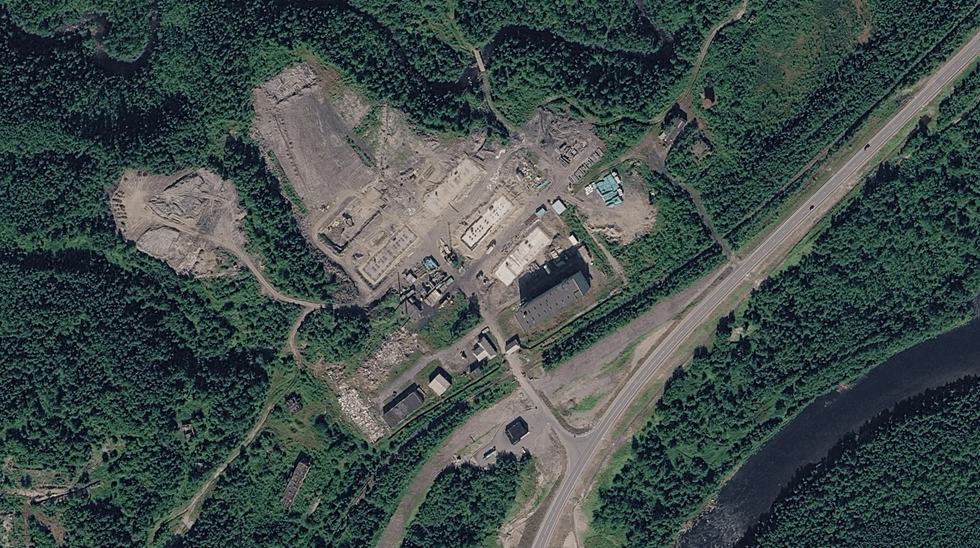
Earlier this year, Pechenga was designated as a "closed administrative–territorial formation" or ZATO - a city which has been closed for security or nuclear research purposes.
The town's council claimed membership of the ZATO Association would "receive methodological, organisational and technical support" and "coordinate development strategies with government agencies during planning".
Analysis of images by Mr Eklund found that in Petrozavodsk, around a kilometre of woodland had been cleared in order to construct a new military outpost.
And Kaliningrad, just over 15 miles from the Baltic Sea, could be used by Russia in a war scenario to attempt landing on strategically key islands.
The Swedish island of Gotland, the Danish island of Bornholm, and the Aland Islands, an autonomous region of Finland, could all be in the firing line.
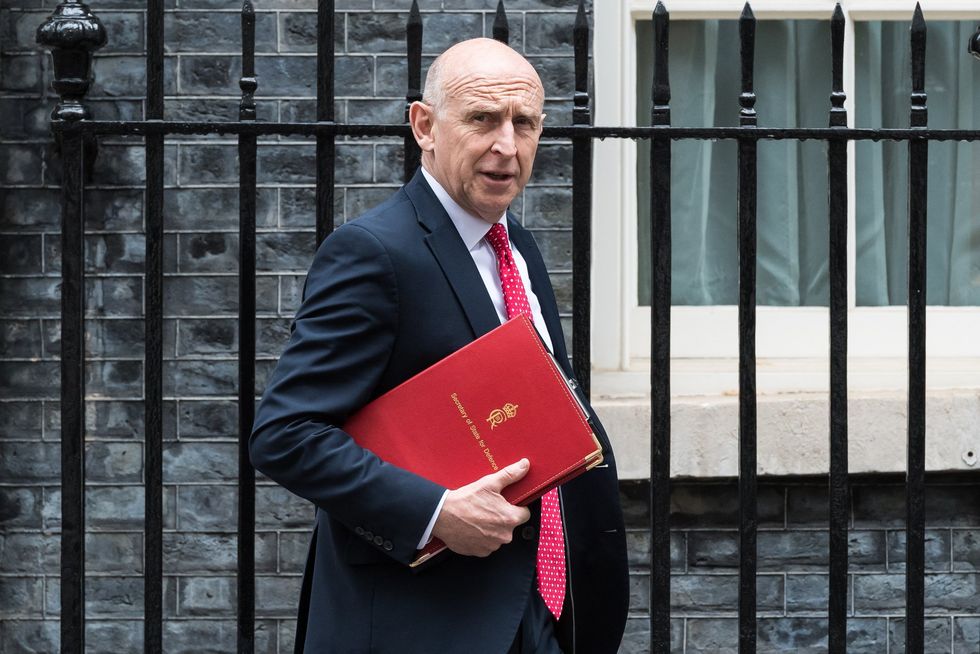
John Healey said Sir Keir Starmer was correct in his warning of an 'attack by Russia on Nato as soon as 2030'
Former Army officer Colonel Richard Kemp told The Sun: "Russia may well mass troops on Nato's borders but I doubt Putin would want any large scale military action against Nato while his forces are bogged down in Ukraine."
But Danish Defence Academy analyst Anders Puck Nielsen warned the Baltic Sea could soon become a powder keg.
He told the Sun: "Russia is building up a capacity in the region to fight a war.
"So the question is where they stand. In the long term, the Russians see a confrontation with Europe as likely."
He also warned that Nato would be "not even close to being able to defend ourselves" if Russia sent troops from the Ukrainian frontlines and relocated them to Baltic states.
Nato member states have been subject to increased drone strikes and alerts in recent months, with Lithuanian politicians forced to take shelter as drones flew overhead last month, and two people were injured in a Romanian apartment block as a Russian drone smashed into the building.
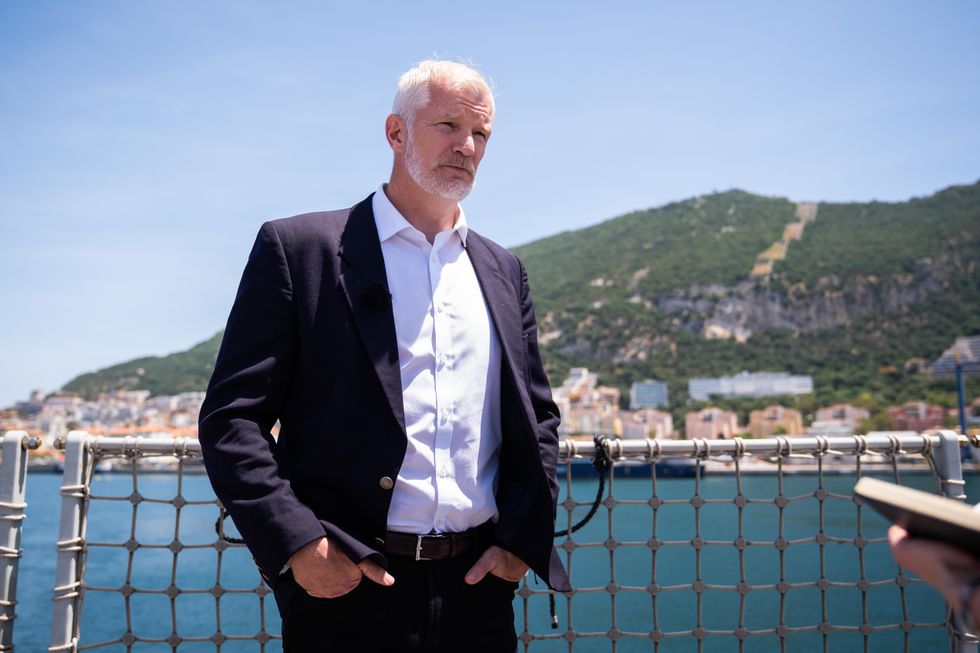
Al Carns warned the 'character of conflict is changing faster than our procurement can keep up with' in his resignation letter
Mr Healey, in his resignation letter to Sir Keir Starmer on Thursday, highlighted the dangers facing Britain and Nato.
He wrote: "Conflict in the Middle East, with the UK now leading the multinational Strait of Hormuz military mission; High North security, with the UK now leading Nato's Arctic Sentry mission; increased Russian activity towards the UK and Nato nations and increased attacks in Ukraine, with the Paris Agreement confirming a British deployment to Ukraine after a ceasefire."
Mr Healey said the Prime Minister had himself spelled out the threats just last week.
Sir Keir said there could be "an attack by Russia on Nato as soon as 2030" during a visit to a defence firm in Swindon.
While Mr Carns, in his own resignation letter, said: "I have watched, as a Marine, what war looks like now. I have spoken to those who have seen it up close in Ukraine.
"The lesson is uncomfortable and it is unambiguous. The character of conflict is changing faster than our procurement can keep up with."