By The American Tribune | Created at 2026-08-08 10:16:51 | Updated at 2026-08-08 10:31:49
16 minutes ago
By The American Tribune | Created at 2026-08-08 10:16:51 | Updated at 2026-08-08 10:31:49
16 minutes ago
Treasury Secretary Scott Bessent pointed to one economic effect of the Trump administration’s immigration crackdown that has received considerably less attention, arguing that removing illegal immigrants from American communities is helping push rents downward. Bessent cited supply and demand, noting that millions of people entered the country illegally while the available housing stock failed to keep pace. As that population pressure begins moving in the opposite direction, he said rents are following it down.
Bessent made the argument during a brief exchange about housing costs and the enormous surge in illegal immigration that occurred before President Donald Trump returned to office. The Treasury secretary noted that estimates of how many illegal immigrants entered or remained in the country vary substantially, but the basic housing problem was straightforward: millions of additional people were competing for a housing supply that did not expand with it. That extra demand, Bessent argued, helped send rents soaring.
“Communities, when you get—and, you know, we don’t know what it was. Was it 10, was it 15, was it 25 million illegals?” Bessent said. “There’s no new housing stock, so, you know, you saw rents go through the roof.” His argument was that whatever estimate one accepts for the size of the illegal immigrant population, housing inventory could not accommodate such a rapid increase in demand.
Bessent then pointed to research that he said has begun documenting what happens as immigration enforcement reduces that pressure. “And now the people don’t want to admit it, but there are academic studies that show where ICE goes, rents go down,” he said in the clip. Bessent concluded, “Rents go down.”
Research released this year provides support for the connection Bessent was describing between deportations and housing costs. A March 2026 working paper from economists at the Federal Reserve Banks of Dallas and San Francisco examined the enormous increase in illegal immigration between early 2021 and early 2024 using newly available administrative data. The researchers found that illegal immigrant inflows increased both local home prices and rents while producing no corresponding increase in housing supply.
The researchers described the result as consistent with a “housing demand shock” occurring when housing supply cannot quickly respond. In other words, a rapid influx of new residents creates additional competition for apartments and homes, while construction takes considerably longer to catch up, if it can catch up at all.
Watch Bessent explain the connection here:
"*" indicates required fields
https://www.facebook.com/reel/1430384992263135
The change in immigration patterns has already been substantial. In separate research published in January, the Dallas Fed reported that unauthorized immigration began dropping rapidly in 2024 before falling even further after Trump took office. The researchers pointed to the termination of parole programs, tighter border enforcement, and interior arrests as factors that had pushed inflows of illegal migrants to their lowest levels since the pandemic.
That reversal means the housing market is now dealing with a dramatically different population trend from the one it faced during the height of the border crisis. Housing supply remains slow to adjust, particularly in areas where construction is constrained, but population demand can move much faster. The same dynamic that allowed a sudden influx of residents to put upward pressure on rents can therefore work in reverse when deportations increase, from both ICE operations and self-deportations.
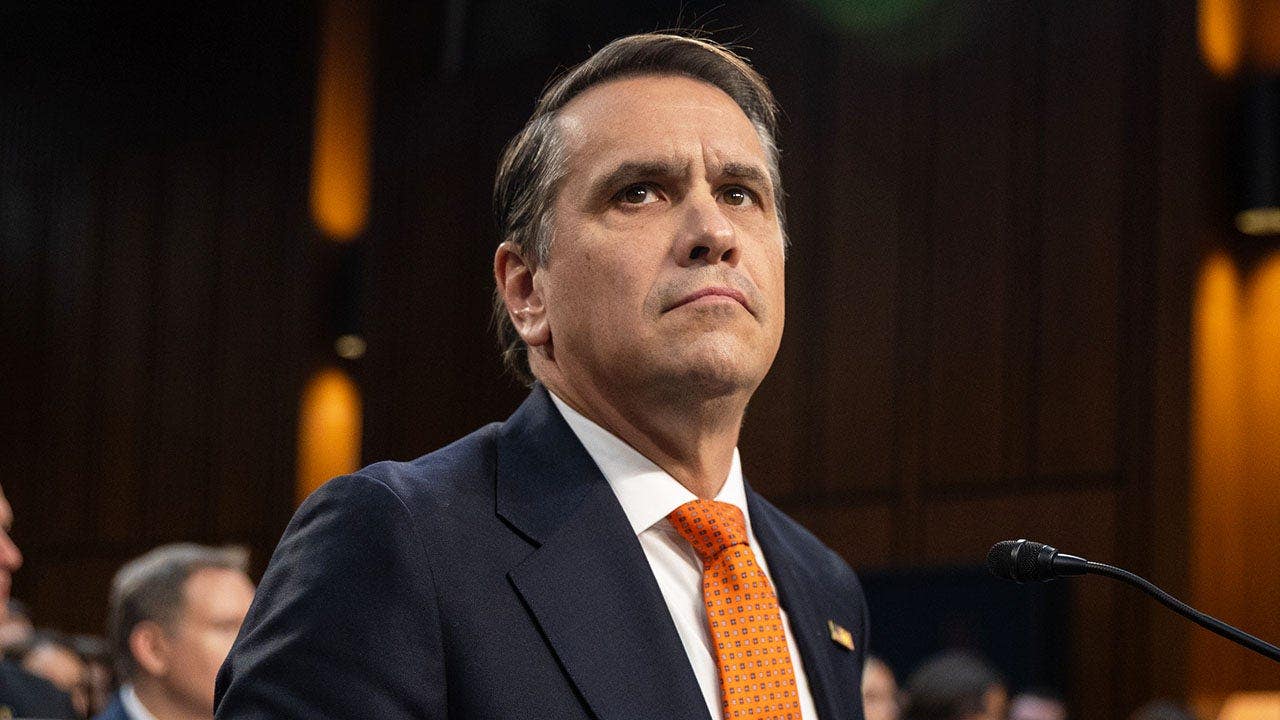
Featured image credit: screengrab from the embedded video.