By The Free Press | Created at 2026-10-09 16:07:09 | Updated at 2026-10-09 16:47:22
1 hour ago
By The Free Press | Created at 2026-10-09 16:07:09 | Updated at 2026-10-09 16:47:22
1 hour ago
Produced by ElevenLabs using AI narration
It’s Friday, October 9. This is The Front Page, your daily window into the world of The Free Press—and our take on the world at large. Today: The “New York Times” whistleblower speaks out. Garry Kasparov explains why Vladimir Putin wants him dead. Rod Dreher reports from the conservative conference in Jerusalem. And much more.
But first: Kat Rosenfield and Jacob Savage on the problem with millennials.
It is with no pride that I admit: I am a millennial. Is there a more embarrassing cohort to belong to? Sure, the Zoomers are strange, but at least they have some good excuses, with social media looming over them from day one and their formative years wiped out by the pandemic. And for all their faults, the boomers allowed themselves to have some fun while the going was good, and made more than their fair share of great cinema, music, and literature along the way.
Millennials, meanwhile, are responsible for Swiftie-mania, cancel culture, college Quidditch clubs, BuzzFeed, the idea that “phones eat first,” the “millennial pause,” “adulting” . . . I could go on, but it’s all just too insufferable. Think it can’t get any worse? Well, today we bring you two stories exploring the depths of millennial cringe. However, the goal here isn’t just to pan my generation but make sense of them. As a thirtysomething might put it in an Instagram caption: Why are we like this?
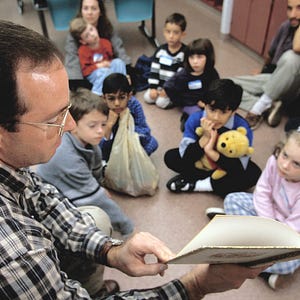
First: My fellow millennial parent Jacob Savage asks: What happened to picture books? Once they told children’s stories—about bear hunts and dragons—but today they are morality tales about feminist icons and civil wars, or full of knowing jokes for the adult reading to the child. This, Jacob theorizes, is what happens when millennials are the ones buying the books. Don’t miss this look at why kids are being read books with titles like Viva Frida and The Cat Man of Aleppo, and what makes classics like The Snowy Day great.
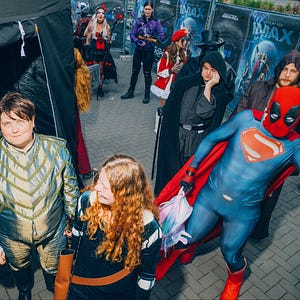
Picture books aren’t the only thing that were once made solely for children but increasingly cater to an adult audience. According to a recent alarming statistic, a majority of toys in America are now purchased by adults who do not have children. Fortysomething dads are playing video games. And childless adults are taking over Disneyland. What is going on? For an answer to that question, we turn to millennial author and Free Press columnist Kat Rosenfield. What we are seeing is, according to Kat, “not just delayed adulthood, but a deliberate retreat from it.” Read her column on why millennials are acting like kids.
—Oliver Wiseman

Maya Sulkin • Antisemitism
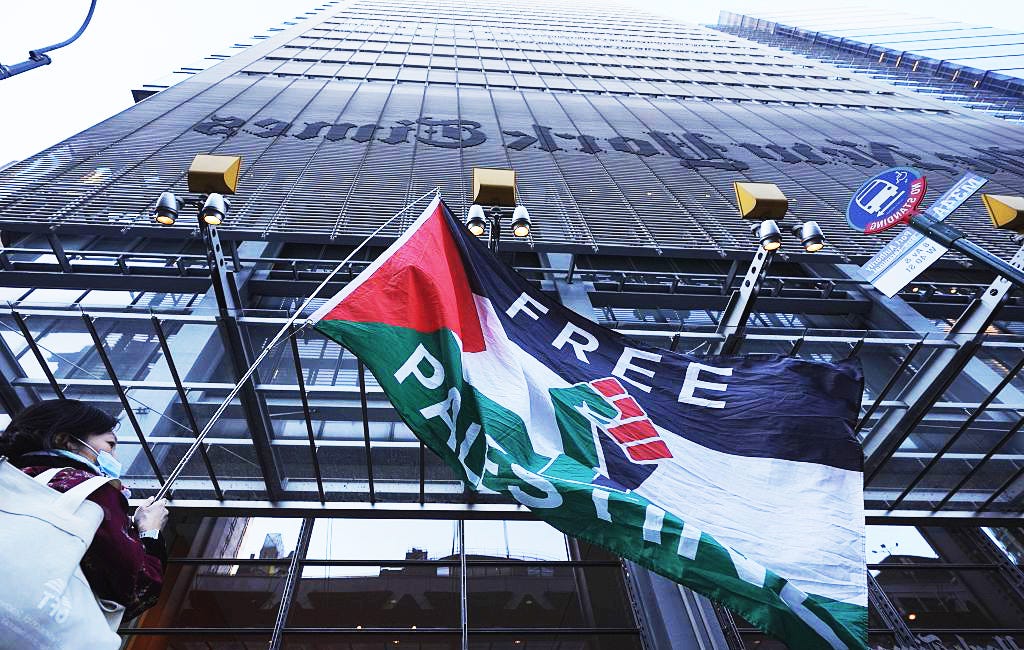
Last month, The Free Press exclusively reported on a shareholder lawsuit filed against “The New York Times,” accusing the paper of a systematic anti-Israel bias. The court filing relied on an anonymous whistleblower, who witnessed the paper’s failures from the inside for nearly a decade. Today, in her first public account, the whistleblower tells Maya Sulkin about what she saw in the newsroom, how the paper of record routinely ignored her—and what finally pushed her out of her “dream job.”
Joe Nocera • International
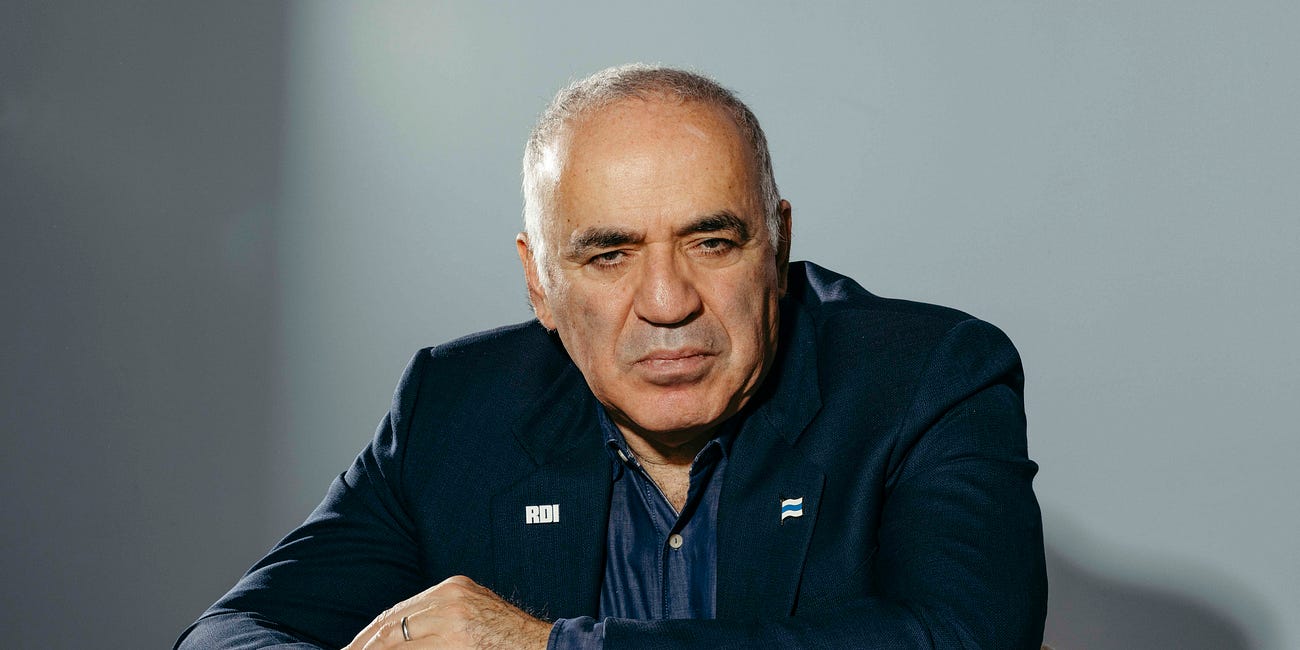
At 22, Garry Kasparov was crowned chess’s world champion; now, 40 years later, he travels under constant threat of assassination. In 2025, his pro-democracy group, the Free Russia Forum, was listed as a “terrorist organization” by Vladimir Putin. And when five Russian agents were charged with plotting to kill a prominent dissident in America last month, Kasparov knew he was the target. What’s it like to go from being a national hero to one of Russia’s most wanted? Read his interview with Joe Nocera to find out, and don’t miss the video of their conversation.
Bari Weiss • Honestly with Bari Weiss
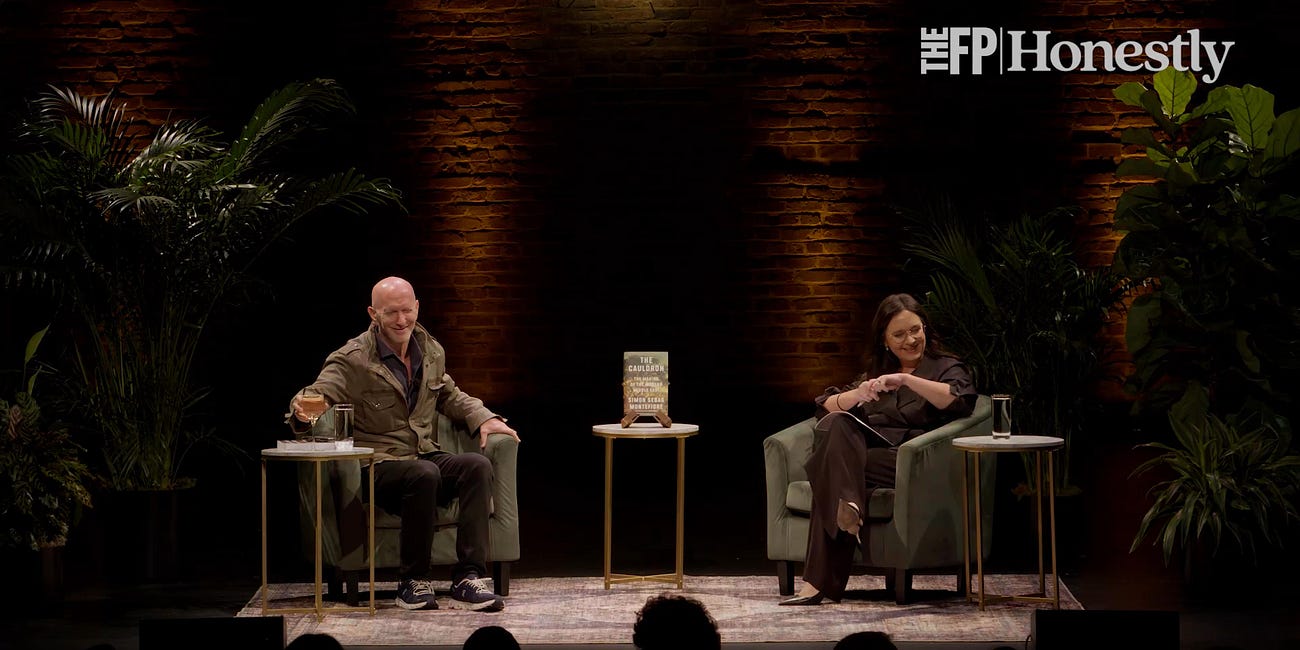
Last week, Bari Weiss sat down with Simon Sebag Montefiore to talk about his new book, “The Cauldron: The Making of the Modern Middle East,” which he calls the hardest he’s ever written, and why, in an age when facts bend to ideology, historians have to say plainly what happened. They also take on the questions shaping the region now, from whether Iran’s regime can survive to whether America still has a role to play. Don’t miss their conversation.
EDITORS’ PICKS
On the three-year anniversary of October 7—the terrorist attack that killed the most Jews since the Holocaust—The Free Press published a series of powerful stories that recall both the devastation of that day and the enormous trauma that still envelops Israel. On the ground in Israel, Polina Fradkin spoke to the families of those lost to suicide in the wake of the attack, the therapists who work around the clock to spot suicidal ideation before it’s too late, and the lingering fear among Israelis that their loved ones could be next. Her story documents the long psychological shadow cast by the atrocity.
For Avinatan Or, October 7 was the start of what would become 738 days in Hamas captivity, after he was abducted from the Nova festival. This week, we’re proud to bring you an exclusive English-language excerpt of his new memoir. It details the horrors of life as a hostage from the early days of his capture to the moment he realizes there might be a way out.
When the terrorist attack took place, Brett McGurk was on President Joe Biden’s National Security Council staff. He was handed the task of negotiating for the release of the hostages still imprisoned by Hamas in tunnels in Gaza. He ran the grueling negotiations for months, and even oversaw the first release. Read our excerpt of his new book, Brink: Inside the Race to Free the October 7th Hostages, for an inside look at the high-stakes drama—and how McGurk helped the hostages come home.
The other big story we covered this week was the ongoing fallout from the case of the Cornell 7, seven men who have been accused in a civil suit of raping Jane Doe, a Cornell sophomore. In Ithaca, New York, with the campus ablaze, Olivia Reingold went to a protest at the university, where she spoke to students about their growing anger toward the institution and a “culture that allows rape to go unpunished.”
It’s not just Ithaca that’s divided. Across the country, members of the Chi Phi fraternity who have nothing to do with Cornell’s chapter are being threatened, doxxed, or harassed—even for something as small as sporting their organization’s sweatshirt. Frannie Block and Madeleine Long spoke to the frat brothers who fell victim to the online mob.
And lastly, in a dose of positive news: The Free Press has a new columnist! In addition to his role as a 60 Minutes correspondent, the former New York Times columnist Ross Douthat is joining us as a weekly columnist. We couldn’t be more excited. Click below to read his first post, on what he plans to bring to the table—and why he felt called by our mission. Sign up here to get notified every time he writes.