By The Rio Times | Created at 2026-10-07 14:46:46 | Updated at 2026-10-07 17:14:34
3 hours ago
By The Rio Times | Created at 2026-10-07 14:46:46 | Updated at 2026-10-07 17:14:34
3 hours ago
SOUTH AFRICA · ECONOMY
Key Facts
- —The country South Africa had 63.5 million people in mid-2026; GDP US$427 billion (2025).
- —Who sets the rules Finance Minister Enoch Godongwana; Reserve Bank Governor Lesetja Kganyago.
- —What happened The Reserve Bank raised its policy rate to 7.25% from 25 September.
- —The players Naspers, Standard Bank, Sasol, Eskom, Transnet; Rupert, Motsepe and Oppenheimer families.
- —Prediction markets Polymarket gives a 64.6% chance December 2026 inflation exceeds 5.0% (7 October, 8:38 a.m. ET).
- —Still open Next rate decision 19 November 2026; local elections on 4 November.
A finance minister, a central banker, two state giants and a few listed companies and families steer South Africa’s money.
The South Africa economy is steered by a small group of players. They are the Treasury, the central bank, two state giants, a handful of listed companies and several wealthy families.
They matter to Americans because the United States bought US$16.5 billion of South African goods in 2025, US Census data show. Several South African companies also list shares in New York.
This guide sets out who controls the money, the mines and the power stations, as of October 2026. Conversions use the Reserve Bank’s rate of R16.61 per US$1 on 7 October 2026.
Treasury and the Reserve Bank Set the Rules
President Cyril Ramaphosa leads the African National Congress (ANC), the party of the anti-apartheid struggle. Since the 2024 election it has governed in a multi-party Government of National Unity.
His record is set out in the Rio Times profile Who Is Cyril Ramaphosa? The coalition’s economic strains are covered in this analysis of unemployment and the November vote.
Enoch Godongwana has been finance minister since 3 July 2024, and held the post from August 2021 to June 2024. He has sat on the ANC’s national executive committee since 1997 and chairs its economic transformation sub-committee.
The National Treasury, which he heads, drafts the budget and manages public debt. His deputies include David Masondo.
The finance minister sets the inflation target in agreement with the Reserve Bank governor. In 2025 the 3% to 6% range used for 25 years gave way to a 3% target, plus or minus one point.
Lesetja Kganyago is governor of the South African Reserve Bank (SARB), whose Monetary Policy Committee sets interest rates. In September 2026 it raised the policy rate by a quarter point to 7.25%, effective 25 September.
The decision was unanimous. The committee pointed to escalating conflict in the Middle East, with little oil getting through the Strait of Hormuz.
It expects headline inflation above 5% in late 2026 and early 2027, then back around 3% towards the end of 2027. The next rate decision is due on 19 November 2026.
Four other ministers matter for business. Kgosientsho Ramokgopa is minister of electricity and energy, and Gwede Mantashe is minister of mineral and petroleum resources.
Parks Tau is minister of trade, industry and competition. Barbara Creecy, the transport minister, oversees policy for railways and ports.
The Listed Giants on the Johannesburg Stock Exchange
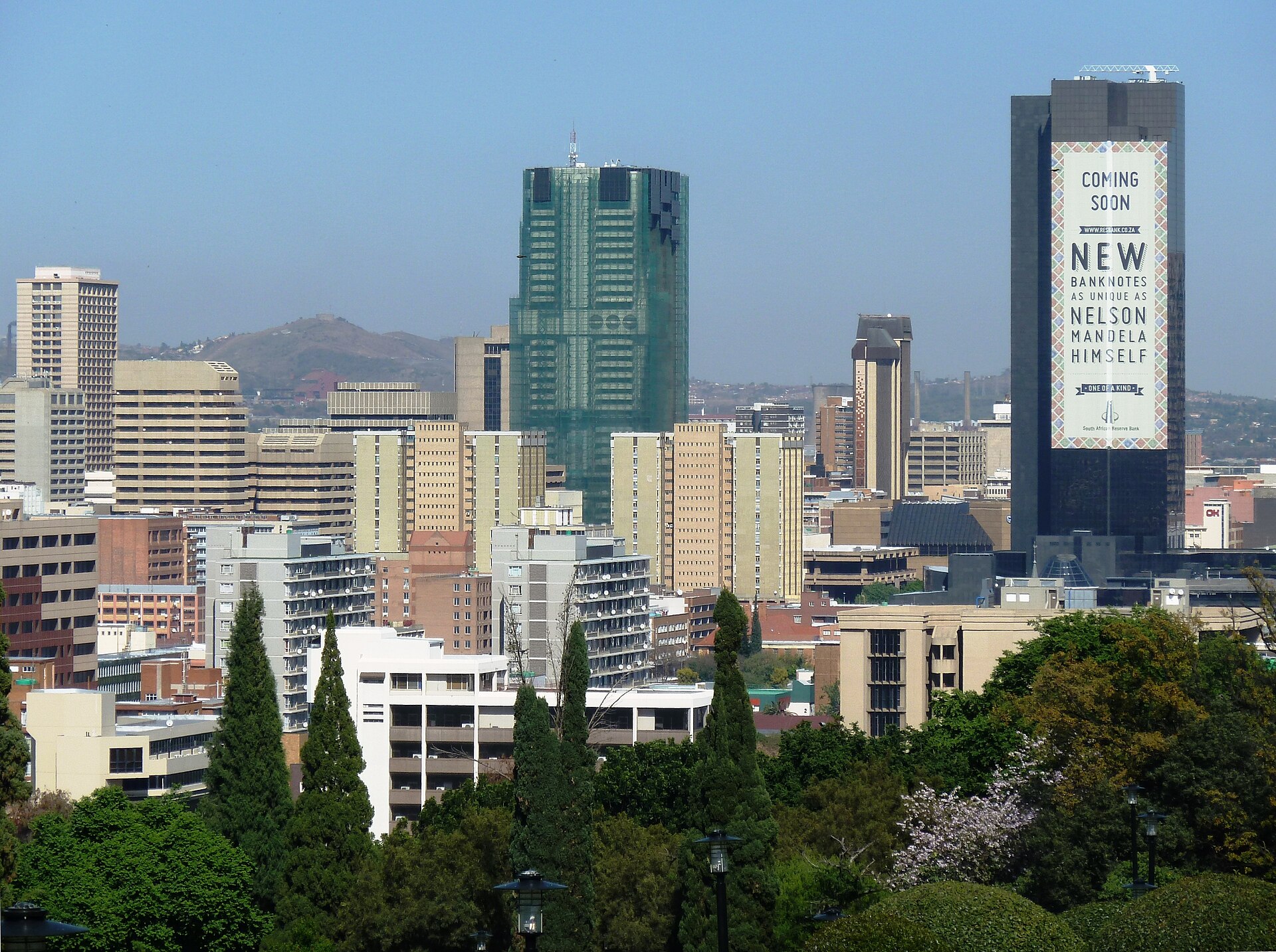
Most of the big private companies below are listed on the Johannesburg Stock Exchange (JSE). How it works is explained in the Rio Times guide to the Johannesburg Stock Exchange.
Naspers calls itself a global consumer internet group and one of the largest technology investors and operators in the world. It is the majority owner of Prosus, a separately listed internet group.
Koos Bekker chairs Naspers, and Fabricio Bloisi, formerly head of Brazilian food-delivery firm iFood, has been group chief executive since July 2024. Phuthi Mahanyele-Dabengwa is listed as CEO of Naspers and an executive director.
Two companies holding special A shares, Keerom and Nasbel, together control more than 50% of the votes in Naspers. Naspers calls this its protection structure, meant to keep the group independent.
Sasol calls itself a global chemicals and energy company. Simon Baloyi is president and chief executive, and Muriel Dube chairs the board.
Standard Bank has a presence in 21 sub-Saharan African countries, it says. FirstRand, Absa, Nedbank and Capitec are the other big JSE-listed lenders, all supervised by the SARB’s Prudential Authority.
Mobile operator MTN Group is another heavyweight, explained in the Rio Times guide What Is MTN Group?
Mining From Platinum to Gold
Mining has shaped South Africa’s economy for more than a century. Anglo American was established in 1917 by Ernest Oppenheimer, according to Valterra Platinum’s company history.
Valterra Platinum, the former Anglo American Platinum, was renamed in 2025; its history says its demerger cut Anglo American’s stake to zero. It calls itself one of the world’s leading integrated producers of platinum group metals.
Its mines are in South Africa and Zimbabwe. Craig Miller is chief executive and Norman Mbazima chairs the board.
Sibanye-Stillwater, Gold Fields, Harmony Gold and DRDGold all have shares listed on the New York Stock Exchange, SEC records show.
African Rainbow Minerals (ARM) mines iron ore, manganese ore, chrome ore, platinum group metals, nickel and coal in South Africa. It also makes manganese alloys in Malaysia and holds a stake in Harmony Gold.
Gwede Mantashe’s department oversees mining rights and announces regulated fuel price changes each month. Coal mined in the country also feeds Eskom’s coal-fired power stations.
State Companies Eskom and Transnet
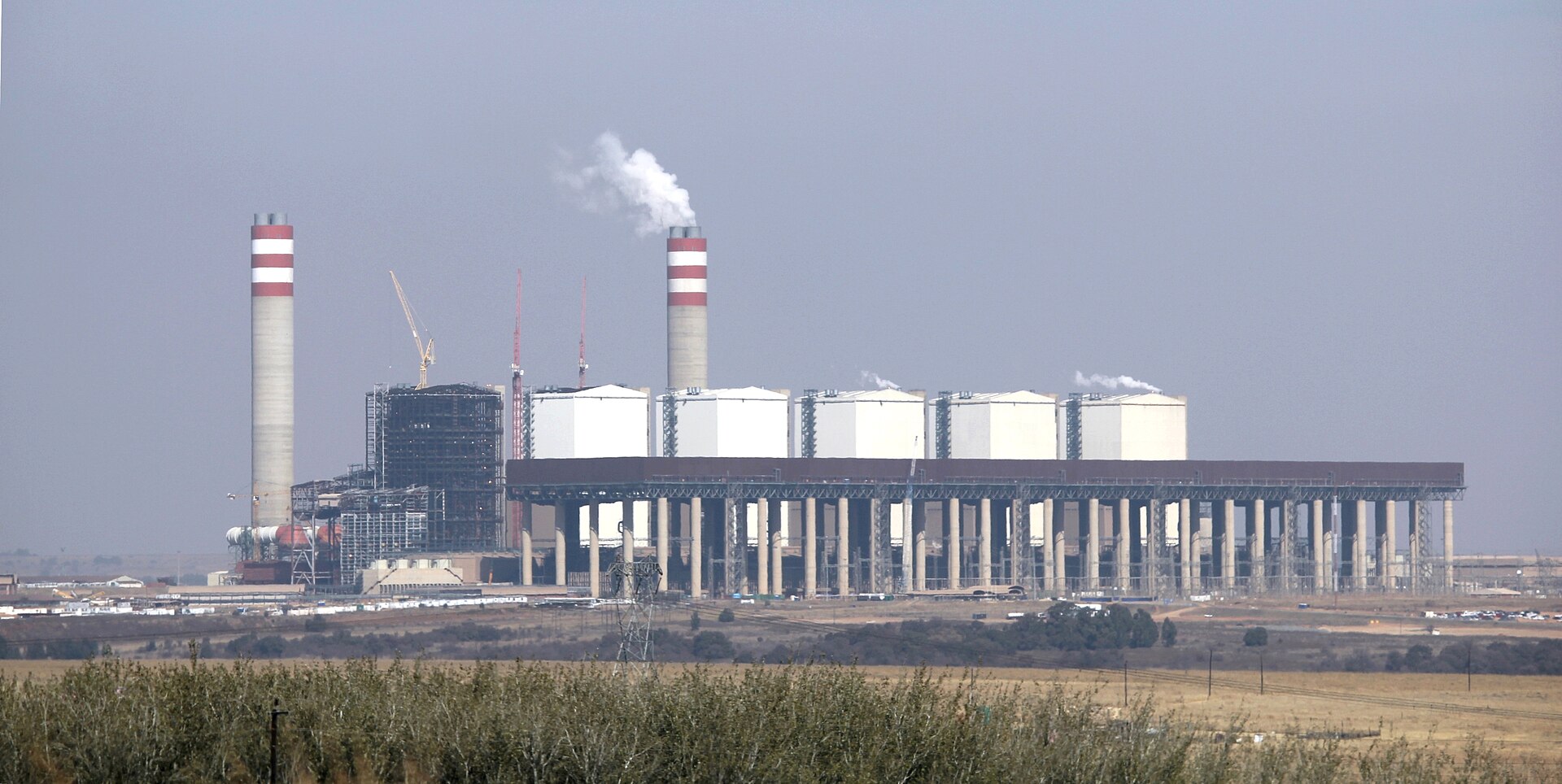
Eskom, the state power utility, is led by group chief executive Dan Marokane, with Mteto Nyati as chair. Ramokgopa has extended Nyati’s term by three years from 1 November 2026, SAnews reported on 25 September.
For years Eskom imposed rolling blackouts, known locally as load-shedding. On 2 October 2026 it said the country had gone 504 consecutive days without them, since 16 May 2025.
Eskom’s energy availability factor, the share of its fleet able to run, was 68.11% from 1 April to 1 October 2026. Diesel spending fell by R4.79 billion (about US$288 million), or 80.49%, on a year earlier.
Its latest annual results are covered in the Rio Times report on Eskom’s profit.
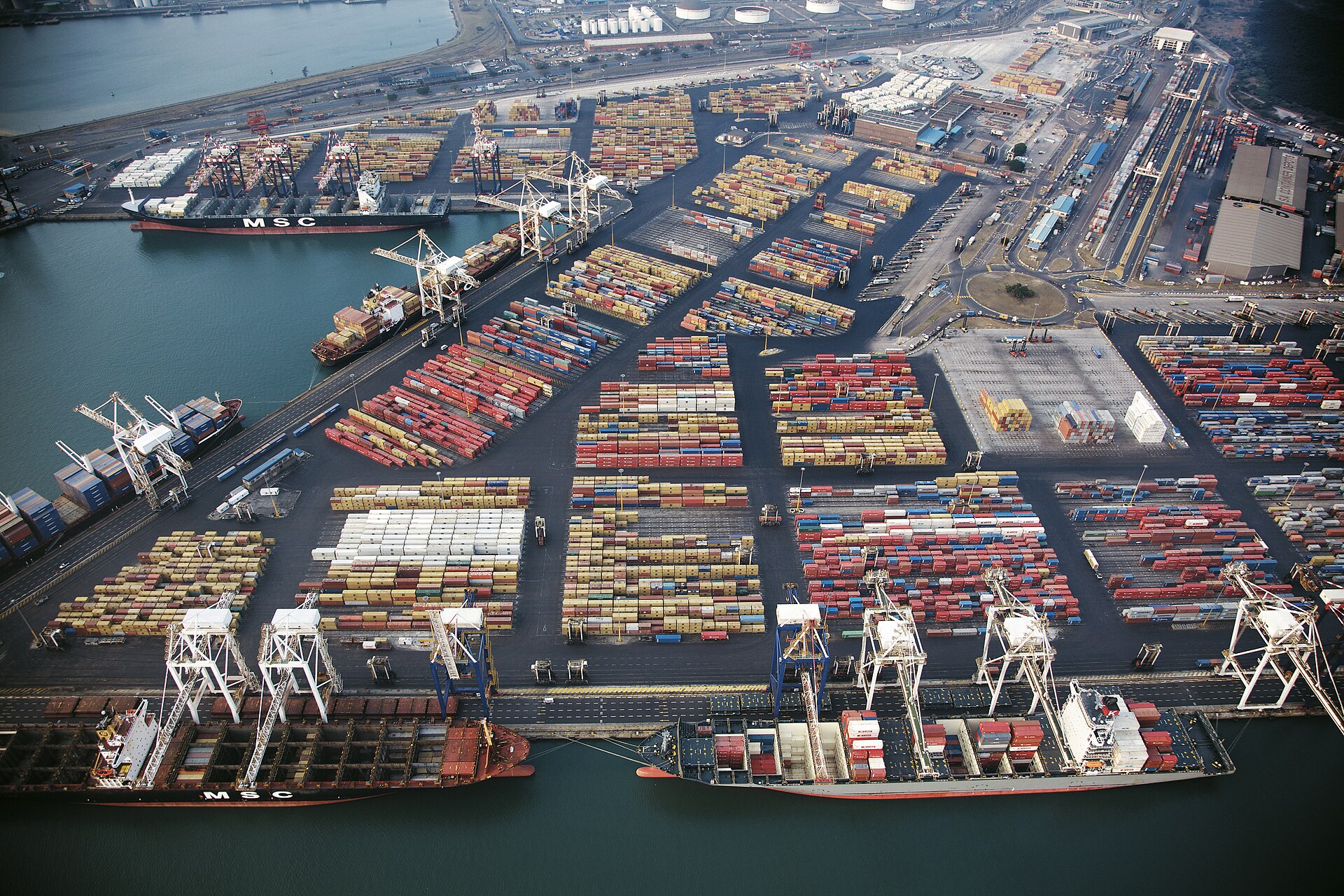
Transnet, the state freight rail and ports company, is led by group chief executive Michelle Phillips, with Andile Sangqu as chair. Its ports include Durban and Richards Bay.
It is opening parts of the network to private operators. In February 2026 it began seeking a private partner for the Richards Bay dry bulk terminal, Mining Weekly reported.
The company’s finances are covered in the Rio Times report on Transnet’s return to profit.
The Families and Tycoons
Johann Rupert, 76, has chaired Remgro since August 2000 and also chairs the luxury group Richemont. Remgro traces its roots to the 1940s, when Anton Rupert founded a tobacco company.
Remgro is now a diversified investment holding company, with interests mainly in healthcare, consumer products, financial services, infrastructure and industry. JJ Durand has been chief executive since May 2012.
Its latest earnings are covered in the Rio Times report on Remgro.
Patrice Motsepe started Future Mining in February 1994, the first step in ARM’s history, the company says. He retired as executive chairman and has been non-executive chairman since 16 February 2026, ARM told the JSE.
Oppenheimer Generations represents the global interests of the Nicky and Jonathan Oppenheimer family. Its ventures include Fireblade Aviation and the Tswalu reserve.
As the Naspers voting structure shows, control often runs through holding companies. That means it is not always visible on share registers.
The South Africa Economy in Numbers
Statistics South Africa estimates the population at 63.52 million in mid-2026. The World Bank puts 2025 gross domestic product at about US$427 billion.
The economy shrank 0.2% in the second quarter of 2026 compared with the first. The SARB still expects a rebound in the second half and growth of 1.2% for the year.
Unemployment stood at 33.6% in the second quarter, so about one in three people in the labour force had no job. Consumer inflation was 4.4% in August 2026.
Food inflation is at its lowest since 2010, thanks to strong harvests and steadier meat prices, the SARB says. Banks’ prime lending rate is 10.75%.
The rand traded at R16.61 per US$1 on 7 October 2026, the SARB’s daily rate shows. The bank called the currency notably resilient throughout the year.
South Africa’s place in the region is covered in South Africa Geopolitics Explained 2026. Daily coverage is collected on the South Africa news page.
What It Means for US Readers
Sasol, Gold Fields, Harmony Gold, Sibanye-Stillwater and DRDGold list shares on the New York Stock Exchange, SEC records show. MTN Group’s US receipts trade over the counter.
The United States imported US$16.5 billion of South African goods in 2025 and exported US$6.3 billion, US Census data show. From January to August 2026, US imports fell to US$7.9 billion, from US$12.5 billion a year earlier.
Since 24 July 2026, most South African goods have faced an extra 12.5% US tariff after a Section 301 trade investigation. The US Trade Representative found South Africa does not effectively ban imports made with forced labour.
Goods already subject to separate US national-security tariffs under Section 232, such as steel and aluminium, are excluded. The 12.5% is charged on top of normal US duties.
For investors, a rate rise and a firm rand cut both ways. Higher rates can draw foreign buyers to government bonds, but they also raise borrowing costs for South African firms.
The government’s 2030 bond yielded 8.18% on 6 October 2026, SARB data show. That is well above the 7.25% policy rate.
What Prediction Markets Say
Polymarket, a prediction-market platform, runs a market on South Africa’s annual inflation for December 2026. On 7 October at 8:38 a.m. ET, bets priced a 64.6% chance that the rate will exceed 5.0%.
The 4.4% to 4.7% band stood at about 21% on a wide bid-ask spread, the 4.7% to 5.0% band at 13.1%. About US$77,800 had been traded across all bands; at 5:07 a.m. ET, the above-5.0% and 4.7%-to-5.0% bands stood at 65.0% and 17.4%.
The market settles on the Statistics South Africa figure for December, which its rules say is scheduled for 20 January 2027. The SARB’s own forecast also has inflation above 5% around the turn of the year.
Why we show this: prediction markets turn real-money bets into a live probability that moves within minutes of the news, which is why investors, campaigns and newsrooms in the United States now follow them closely. We show them next to polls and official results, never instead of them.
What Is Not Known
It is not known whether the SARB will raise rates again on 19 November. That depends on fuel prices and on how long the supply shock lasts.
The local government elections on 4 November 2026, with special voting from 2 November, could shift the balance inside the coalition. US trade data after August, which would show more of the tariff’s effect, are not yet published.
Frequently Asked Questions
Who runs the South Africa economy?
Finance Minister Enoch Godongwana runs fiscal policy under President Cyril Ramaphosa. Reserve Bank Governor Lesetja Kganyago leads the committee that sets interest rates.
What is South Africa’s interest rate?
The Reserve Bank’s policy rate is 7.25%, after a quarter-point rise effective 25 September 2026. Banks’ prime lending rate is 10.75%.
Does South Africa still have power cuts?
Eskom said on 2 October 2026 that the country had gone 504 consecutive days without load-shedding. The run began on 16 May 2025.
Which business families are influential in South Africa?
Johann Rupert chairs Remgro and Richemont, and Patrice Motsepe chairs African Rainbow Minerals. Oppenheimer Generations represents the Nicky and Jonathan Oppenheimer family.
Can Americans invest in South African companies?
Yes, Sasol, Gold Fields, Harmony Gold, Sibanye-Stillwater and DRDGold list shares on the New York Stock Exchange. Most other big firms trade on the Johannesburg Stock Exchange.
What do prediction markets expect for South African inflation?
On 7 October 2026, Polymarket bets gave a 64.6% chance that December inflation will exceed 5.0%. These are bets, not polls or official forecasts.
Sources: South African Reserve Bank, MPC statement, September 2026; SARB, monetary policy and inflation target; SARB, daily rates of 7 October 2026; Statistics South Africa; National Treasury; South African Government, Enoch Godongwana; SAnews, Eskom board chair; Department of Trade, Industry and Competition; Department of Transport; Department of Mineral and Petroleum Resources; Electoral Commission of South Africa; Eskom, 2 October 2026; Eskom, leadership; Transnet, board; Naspers, leadership; Naspers, group structure; Sasol, leadership; Standard Bank Group; Remgro, board; Remgro, history; African Rainbow Minerals; ARM, JSE SENS announcement, 16 February 2026; Valterra Platinum, company profile; Valterra Platinum, leadership; Oppenheimer Generations; US SEC, company tickers and exchanges; USTR Section 301 notice, Federal Register; US Census Bureau, trade with South Africa; World Bank, South Africa; Mining Weekly (all accessed 7 October 2026).