By The Rio Times | Created at 2026-06-21 13:35:10 | Updated at 2026-06-21 15:26:10
2 hours ago
By The Rio Times | Created at 2026-06-21 13:35:10 | Updated at 2026-06-21 15:26:10
2 hours ago
UGANDA · INFRASTRUCTURE
Key Facts
—The deal: The African Development Bank has approved about €156 million to upgrade Arua Airport in north-western Uganda.
—The aim: The upgrade is meant to boost regional trade and tourism by improving connections.
—The place: Arua sits near Uganda’s borders with the Democratic Republic of Congo and South Sudan.
—The lender: The African Development Bank is the continent’s main development finance institution, based in Abidjan.
—Why it matters: Better-connected border towns can unlock trade that poor infrastructure now blocks.
—The pattern: It is part of a continent-wide push to wire Africa together and ease the cost of doing business.
The African Development Bank has approved about €156 million to upgrade Arua Airport, a small hub in north-western Uganda near the borders with Congo and South Sudan. The bet is that better-connected border towns can turn a remote corner into a regional trade gateway.
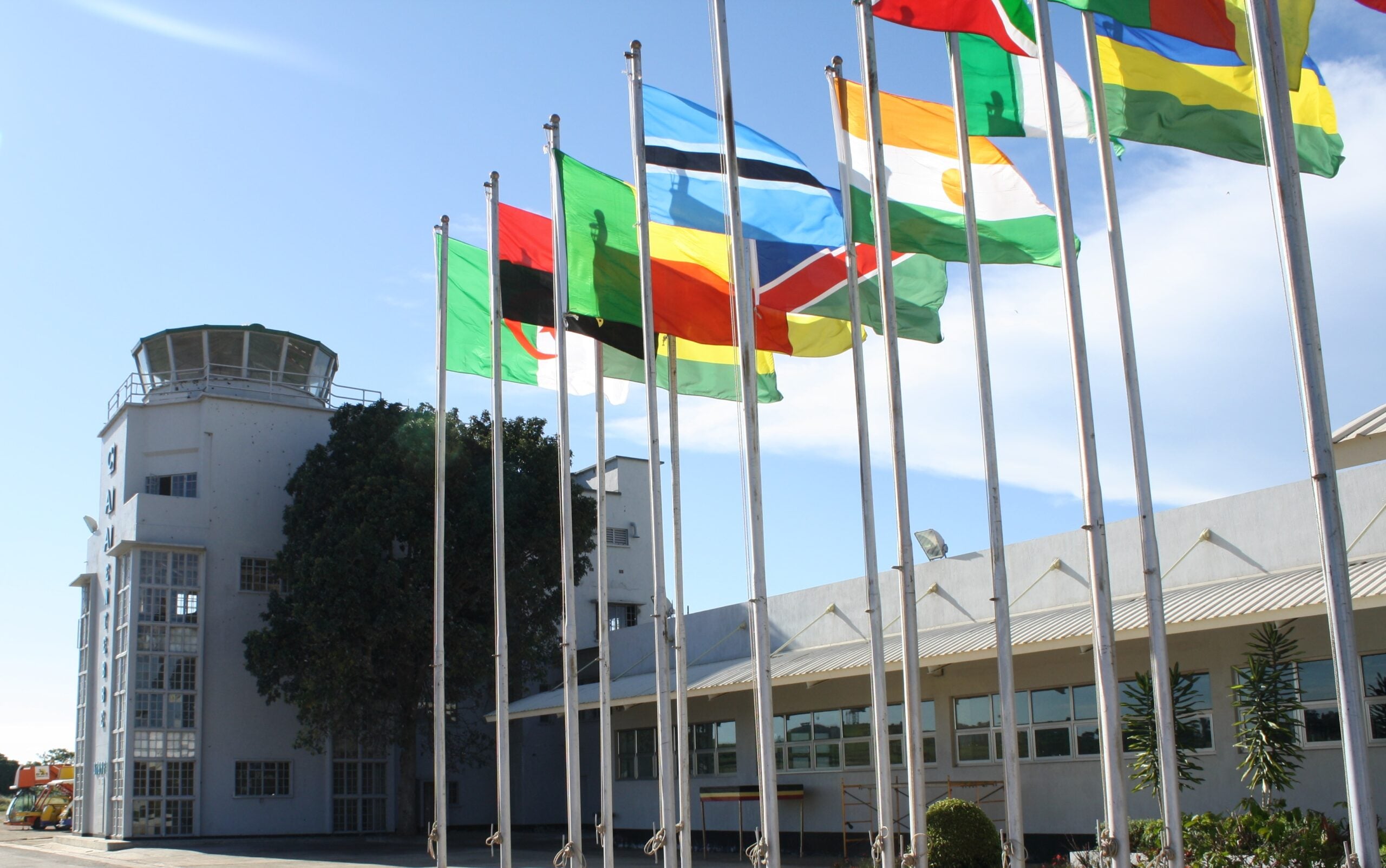 Uganda’s Entebbe International Airport; the AfDB is funding an upgrade to the country’s Arua Airport. (Photo: U.S. Army Africa, public domain, via Wikimedia Commons)
What the Arua Airport upgrade will do
The African Development Bank has approved roughly €156 million to upgrade Arua Airport. The goal is to improve the airport and the trade and travel that flow through it.
Arua is not a famous destination. It is a regional town in north-western Uganda, close to where the country meets the Democratic Republic of Congo and South Sudan.
That location is the point. An upgraded airport there can serve a wide cross-border region, not just one Ugandan town.
The sum, around €156 million, is large for a regional airport. It signals the bank sees Arua as more than a local convenience.
Why a border airport matters
For outsiders, the logic is about geography and trade. Goods and people in this corner of Africa often move slowly and expensively because the infrastructure is thin.
A better airport cuts the time and cost of reaching markets, moving perishable goods and bringing in visitors. Small improvements at a chokepoint can have outsized effects.
Arua has long been a commercial crossroads, with traders moving between three countries. The upgrade formalises a role the town already plays.
It also serves a humanitarian purpose. The region hosts large refugee populations from South Sudan and Congo, and aid often moves through hubs like Arua.
Landlocked and remote areas pay a heavy distance tax to trade, with transport eating into every margin. Air links are one way to shrink it.
Who is paying, and why
The funder is the African Development Bank, the continent’s main development lender, based in Abidjan. It backs infrastructure across Africa.
Unlike a commercial loan, its money comes on long, affordable terms aimed at projects that markets alone would not finance. A border-town airport is exactly that kind of project.
For the bank, the appeal is regional integration, connecting economies so trade can grow. That is a core part of its mission.
The bank, under a new president since last year, has made connecting African markets a priority. Projects like Arua are how that ambition becomes concrete.
The bigger picture
The project is one piece of a continent-wide drive to wire Africa together. Roads, rail, ports and airports are being built to lower the high cost of moving goods.
Intra-African trade remains low compared with other regions, held back partly by poor links. The African free-trade area is meant to change that, and infrastructure is the precondition.
Cross-border air links also matter for services, from banking to health, that follow connectivity. Where planes go, business tends to follow.
For investors, infrastructure is the quiet enabler. Ports, power and airports decide which markets are worth entering in the first place.
What it means on the ground
For Arua and its neighbours, the upgrade promises faster connections and, in time, more business. Better air links can draw investment that road-only towns struggle to attract.
There are risks. Infrastructure projects can run late or over budget, and an airport only helps if airlines and cargo actually use it.
The test will be traffic. A busier, better-used Arua would prove the case; an underused one would not.
Tourism is part of the hope too. North-western Uganda is a gateway to national parks and the wider Nile region.
What to watch next
The first marker is when construction begins and on what timetable. Approval is the start, not the finish.
The second is whether the upgrade is matched by better roads and border crossings. An airport works best as part of a wider network.
Either way, the project shows where development money is flowing: into the unglamorous links that make trade possible, rather than the showpieces that grab attention.
The broader signal is the one to track. Africa’s own bank is steadily funding the plumbing of regional trade, far from the headlines.
Frequently asked questions
What is the AfDB funding at Arua Airport?
The African Development Bank has approved about €156 million to upgrade Arua Airport in north-western Uganda. The aim is to boost regional trade and tourism.
Where is Arua Airport?
Arua is a town in north-western Uganda, near the borders with the Democratic Republic of Congo and South Sudan. Its location makes the airport a potential regional gateway.
Why does a small airport matter?
Thin infrastructure makes moving goods and people slow and costly in the region. Upgrading a border hub can cut those costs and lift cross-border trade.
Who is the African Development Bank?
It is the continent’s main development finance institution, based in Abidjan, which funds infrastructure across Africa on long, affordable terms.
The Rio Times · Power Map
See who really holds power in Latin America
Click to open the Power Map →