By South China Morning Post | Created at 2026-09-18 09:27:33 | Updated at 2026-09-18 12:36:51
3 hours ago
By South China Morning Post | Created at 2026-09-18 09:27:33 | Updated at 2026-09-18 12:36:51
3 hours ago
As
Rodrigo Duterte’s crimes-against-humanity trial looms, an international tribunal faces the challenge of managing a sprawling prosecution case around the health of an 81-year-old former president of the Philippines, on top of shielding the proceedings from a highly charged media environment.
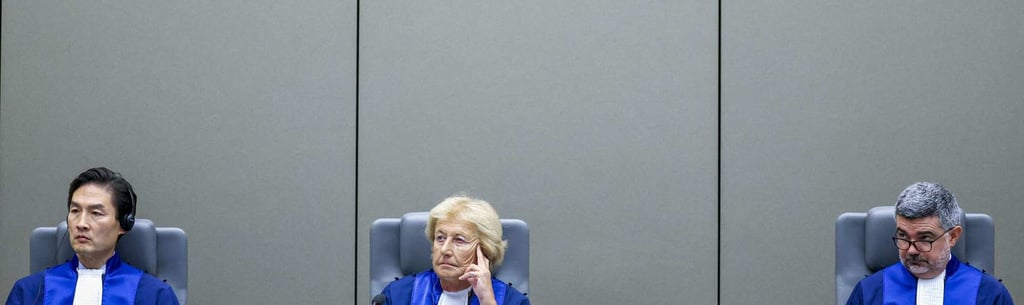
Those pressures came into focus at an International Criminal Court (ICC) status conference on Wednesday, when Presiding Judge Joanna Korner urged prosecutors to trim their witness list and evidence ahead of the November 30 trial opening while delivering a blunt warning against lawyers using the media in ways that could fuel “fake news”.
Legal experts say such warnings are not unusual in international criminal cases, but the breadth of Korner’s remarks reflects the particular difficulty facing the court as its proceedings are scrutinised, interpreted and sometimes distorted across the Philippines’ political and social media landscape.
Duterte was arrested in the Philippines and surrendered to the ICC in The Hague in March 2025. In April this year, the ICC Pre-Trial Chamber confirmed all three counts of crimes against humanity against him – involving murder and attempted murder allegedly committed as part of his war on drugs between November 2011 and March 2019 – and committed him to trial.
He appeared in person at the pretrial conference for the first time, looking thinner but walking unassisted and without a cane. News agencies said he waved to the audience and smiled slightly but did not speak.