By Finbold | Created at 2026-10-06 23:53:17 | Updated at 2026-10-07 02:10:04
13 hours ago
By Finbold | Created at 2026-10-06 23:53:17 | Updated at 2026-10-07 02:10:04
13 hours ago
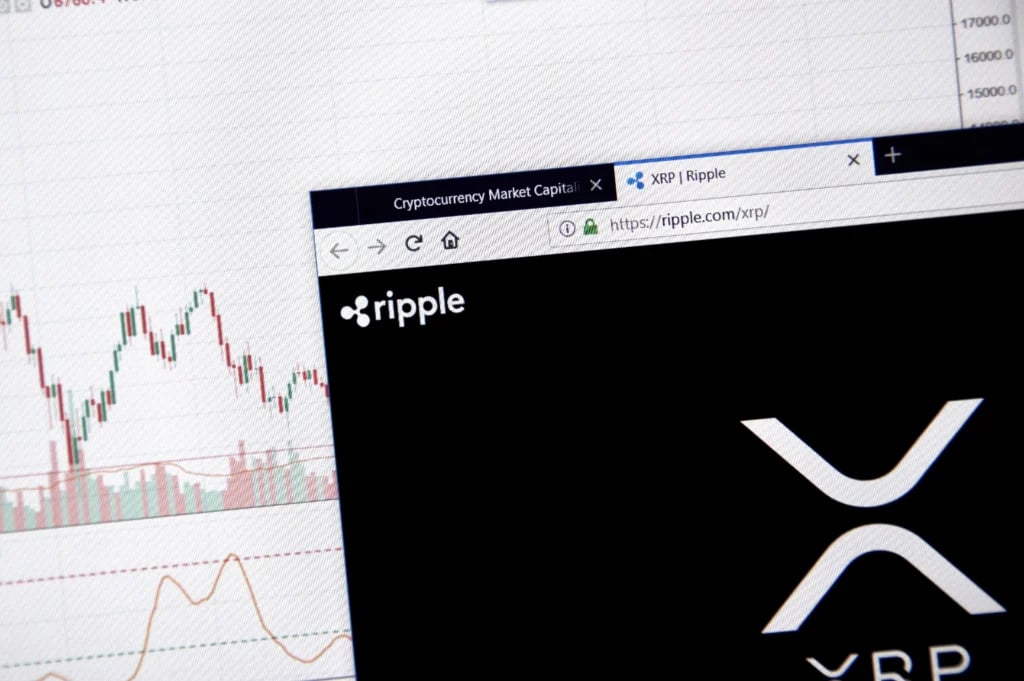

An XRP fee debate broke out on October 5, as Ripple CTO Emeritus David Schwartz pushed back against community proposals to increase XRP Ledger (XRPL) transaction fees in order to accelerate burn rates.
The debate broke out on social media when an X user suggested raising XRPL’s base fee by 10x or even 100x to increase the amount of XRP permanently destroyed with each transaction, which Schwartz in turn argued would be a poor measure of blockchain performance.
Specifically, Schwartz noted that fees represent an additional cost for users, acting as a measure of friction that the network has failed to eliminate. In this view, focusing on fee revenue can prioritize the interests of those collecting fees over those actually using the network.
“I think fee revenue is a terrible metric since it measures how much friction the chain didn’t remove. If you represent the people who collect the fees, then fees are great. But what about the people who pay the fees? Who cares about their interests?” Schwartz wrote.
I think fee revenue is a terrible metric since it measures how much friction the chain *didn't* remove. If you represent the people who collect the fees, then fees are great. But what about the people who *pay* the fees? Who cares about their interests?
— David 'JoelKatz' Schwartz (@JoelKatz) October 4, 2026David Schwartz weighs in on XRP fee debate
The discussion highlights a broader debate over how Layer 1 networks should be evaluated.
Institutional investors and analysts often look at fee revenue as an indicator of network activity and economic value, even though XRPL’s low-cost design naturally produces relatively little fee revenue. Its architecture is instead focused on fast, inexpensive transfers, particularly for cross-border payments and institutional settlement.
Unlike many other blockchain networks, XRPL does not distribute transaction fees to validators or staking participants. Instead, every transaction fee is permanently destroyed, creating a deflationary mechanism for XRP’s fixed 100 billion token supply.
Schwartz’s argument therefore is that increasing fees simply to accelerate the XRP burn could introduce unnecessary friction and potentially discourage adoption. In other words, higher transaction costs could also affect the use of XRPL for tokenized assets, payments and other financial applications where low-cost settlement is a key advantage.
In short, any change to XRPL’s base fee would require a technical amendment to the protocol and sufficient validator support before it could take effect. So, for now, the debate reflects a fundamental question for the XRP ecosystem: should XRPL prioritize maximizing XRP’s burn rate and fee revenue, or preserve its low-cost structure to encourage greater real-world usage and adoption?
Featured image via Shutterstock
Best Crypto Exchange for Intermediate Traders and Investors
-
Invest in cryptocurrencies and 3,000+ other assets including stocks and precious metals.
-
0% commission on stocks - buy in bulk or just a fraction from as little as $10. Other fees apply. For more information, visit etoro.com/trading/fees.
-
Copy top-performing traders in real time, automatically.
-
eToro USA is registered with FINRA for securities trading.

30+ million Users worldwide
eToro is a multi-asset investment platform. The value of your investments may go up or down. Your capital is at risk. Don’t invest unless you’re prepared to lose all the money you invest. This is a high-risk investment and you should not expect to be protected if something goes wrong. Take 2 mins to learn more.

Join Finbold's newsroom, become a Sales Executive today!
Apply now to join Finbold as a crypto/finance news writer!